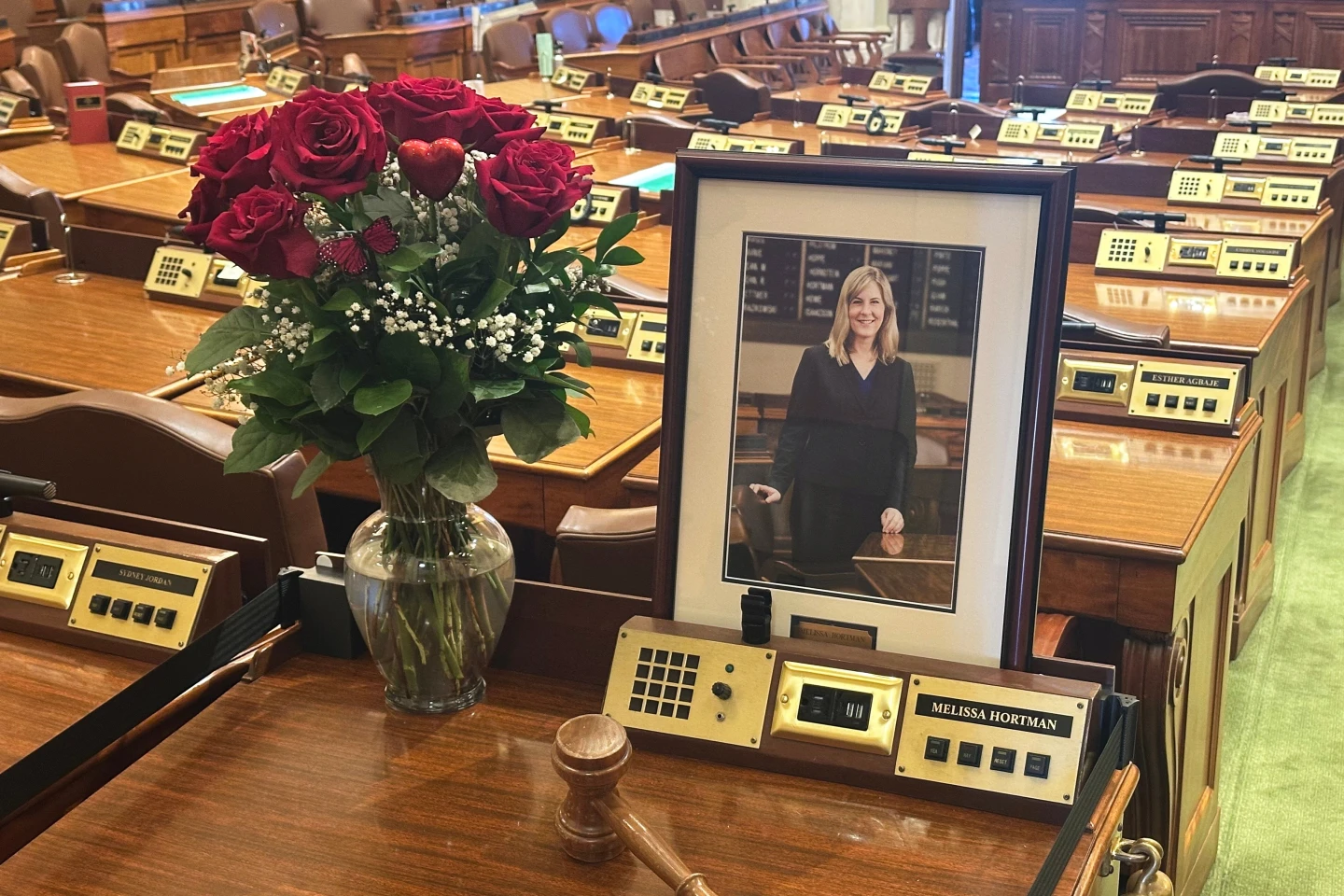
ST. PAUL, Minn. — In a response to a surge in political violence over the past few years, lawmakers across the United States are intensifying security measures in state capitols. The changes have come on the heels of notable incidents, including the assassination of Minnesota legislative leader Rep. Melissa Hortman.
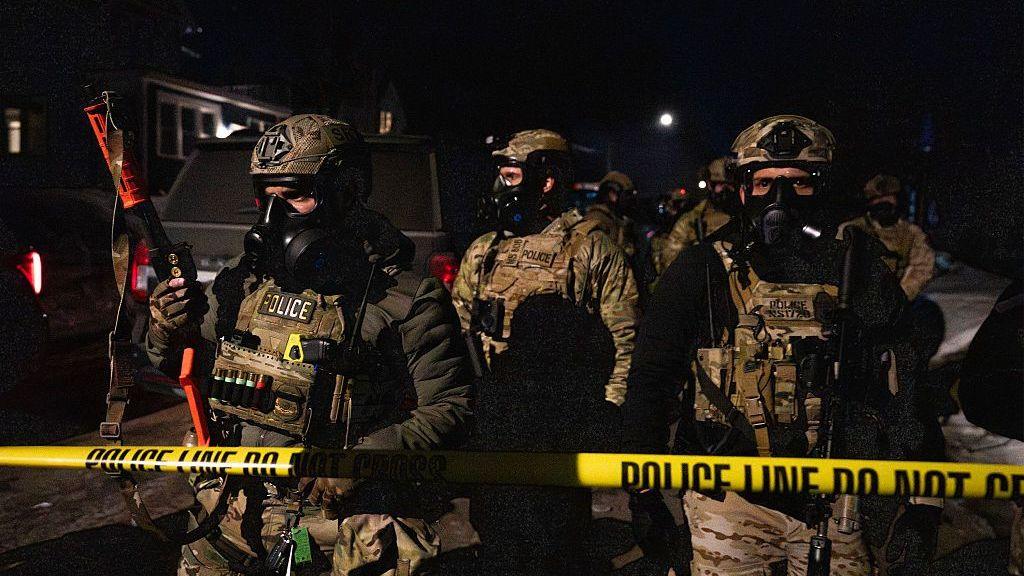
Following Hortman's tragic death, which shocked the political community and sparked wider fears for personal safety, many states have adopted protocols to enhance security for elected officials. Significant changes now include locked entrances and the installation of weapons detectors at various capitol buildings.
“We cannot allow political violence to undermine our government,” stated Minnesota Rep. Julie Green, reflecting on the emotional ramifications of recent events. The empty desk of Hortman continues to serve as a poignant reminder of the challenges faced by public officials.
Escalating Fear and Security Enhancements
The fear of attacks has been heightened by recent violent occurrences, including the targeted killings of political figures and other alarming incidents across the country. Several states, including Alabama and Oregon, have passed laws to allow campaign funds to be allocated towards personal security for candidates, marking a significant shift in the approach to political safety.
This legislative trend indicates a growing recognition of the risks involved in public service, with over 25 states now allowing these expenditures for personal security. Notably, Alabama, Oregon, Nebraska, and Utah are just a handful of states that recently enacted such laws.
Heightened security spending has become the norm for political campaigns, with an increase of fivefold observed over the past decade. Federal political committees are projected to spend more than $40 million on security-related expenses in the current election cycle.
State Responses
Metal detectors have become commonplace, with Alaska installing them in their Capitol to address public safety concerns. Yet some states, like Wisconsin, have hesitated to adopt similar measures, citing a desire to keep access open and maintain basic democratic functions.
In Minnesota, discussions are underway for the establishment of a dedicated security unit within the State Patrol to protect lawmakers and significant public officials. This initiative is driven by a desire to address security gaps after high-profile incidents that shook the community.
Legislators, including those who survived violent attacks, are advocating for stronger measures to safeguard public officials, with proposals including confidentiality for home addresses of officials to deter potential breaches of safety.
In addition to state-level actions, the National Conference of State Legislatures has set up a reimbursement fund to assist with safety operations as more than 30 states seek financial support for increasing personal security measures.
Moving forward, the legislative community remains firm on the need for continued dialogues and actions that ensure the safety of those who dare to serve the public, marking a challenging yet necessary evolution in political environments across the nation.