In brief
Following an appeals court order to halt construction, President Trump has petitioned the Supreme Court. The project, valued at $400 million, would add a large event space and purportedly military facilities to the White House, but critics point to the environmental impact of a 65%‑complete building. The court’s decision could set a precedent for how historic federal sites are developed, especially when private funds cover costs. While Trump argues the ballroom is essential for national security, registries of waste, carbon emissions, and American‑style public oversight remain contentious.
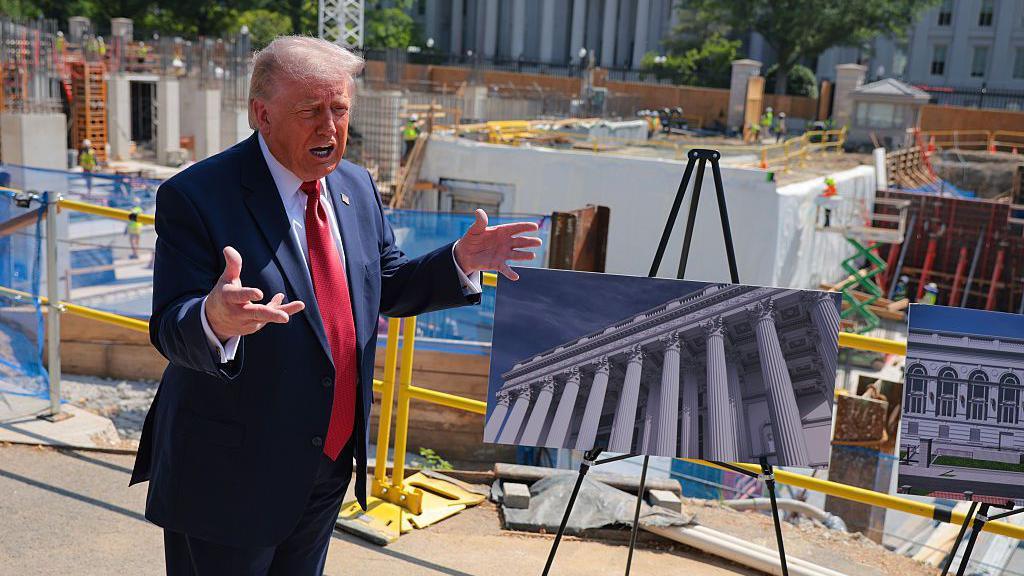
US President Donald Trump has asked the Supreme Court to allow the continuation of a $400 million ballroom extension at the White House, a move that spotlights the environmental implications of federal building projects.
The emergency application follows an appeals court decision that ordered construction to stop until Congress approves the project, a ruling that echoes a lawsuit filed by the National Trust for Historic Preservation last year.
In the filing, U.S. Solicitor General D John Sauer argued that the work—now 65% complete—would be jeopardized if halted, calling the injunction “dangerous.” The court is scheduled to review the case, and its outcome may define how federally financed constructions address sustainability protocols.
Trump’s argument hinges on the White House’s lack of a large event space and the need for enhanced security. However, critics point out that the ballroom’s size would amplify building footprints, energy consumption, and waste.
The construction also incorporates purported military facilities, including bomb shelters and medical treatment centers. While Trump claims the project is privately funded, the scale of the build raises questions whether it aligns with existing federal standards for green building practices such as LEED certification, use of low‑emission materials and high‑efficiency HVAC systems.
Environmental groups have highlighted the lack of a formal Environmental Impact Statement, which, if followed, could have guided more sustainable choices. A full assessment would also have provided a platform for public comment, potentially bringing community concerns about local carbon emissions and land use to the fore.
The White House’s ballroom project sits amid a broader trend of high‑profile renovation projects by the Trump administration, including work on historic landmarks and the proposed "Arc de Trump." All of these undertakings have faced accusations of bypassing traditional review processes that normally enforce environmental safeguards.
The Supreme Court’s decision could set a precedent for future federal construction projects, especially high‑visibility ones. If the court upholds Trump’s request, it may open the door for repurposing other historic structures without the usual environmental scrutiny, whereas a refusal could strengthen the requirement for mandatory impact studies and public involvement.
Soon, the public will see whether the White House can grow its ceremonial space by 2026 or whether environmental law will hold the biggest U.S. building still for safety and sustainability.