In brief
In a daring daylight robbery, thieves shattered a glass case at Vienna’s Museum of Applied Arts to steal a platinum‑and‑diamond necklace worth over $4 million. The piece, originally fashioned for Egypt’s former royal family, underscored the fragility of cultural relics amid rising crime. The incident ignited calls for museums to adopt sustainable security strategies and to source materials responsibly, ensuring heritage protection aligns with environmental stewardship. As more European institutions face similar threats, the call for greener, more resilient protection becomes urgent.
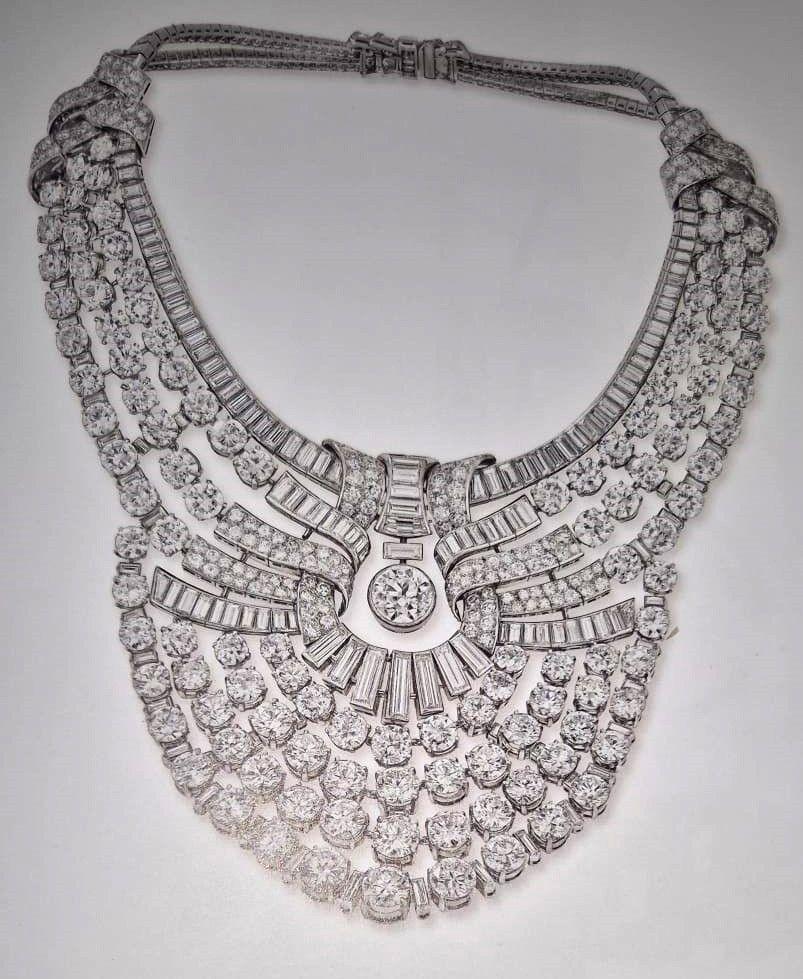
In a audacious daylight heist, two men smashed a glass display case at Vienna’s Museum of Applied Arts to swipe a platinum‑and‑diamond necklace bearing more than 600 stones. The plundered piece, insured at over $4 million, once adorned Queen Nazli of Egypt during her daughter’s 1939 wedding to the future Shah of Iran.
The theft, captured on CCTV and now widely shared, underscores how cultural treasures are increasingly vulnerable to violent thefts. But beyond the lost sparkle, the incident spotlights the environmental toll of diamond production – a glittering industry that often relies on mining practices that damage ecosystems.
Museum officials, while praising calm staff responses, have expressed concern that the security protocols used were not optimal for the era’s tech advances. Integrating sustainable security measures – such as smart sensors powered by renewable energy and crowd‑analytics that reduce carbon footprints – could deter future breaches and protect the planet at the same time.
Experts note a pattern of high‑profile art thefts across Europe: from a Spanish Bronze Age collection to Renaissance paints in Sicily, and prestigious works in Italy. These events have prompted European law‑enforcement agencies to call for tighter regulations and better collaboration between cultural institutions and environmental NGOs. The conversation is shifting from what to protect to how to protect it sustainably.
The stolen necklace is currently under investigation, with police deploying forensic teams and surveillance‑based sweeps in Lower Austria. As the display returns to visitors, the industry is watching closely: the mishap is a wake‑up call that heritage, responsibility, and the planet must be intertwined in museum policy and practice worldwide.