Trump’s Pivot to Korea: Climate and Security Implications
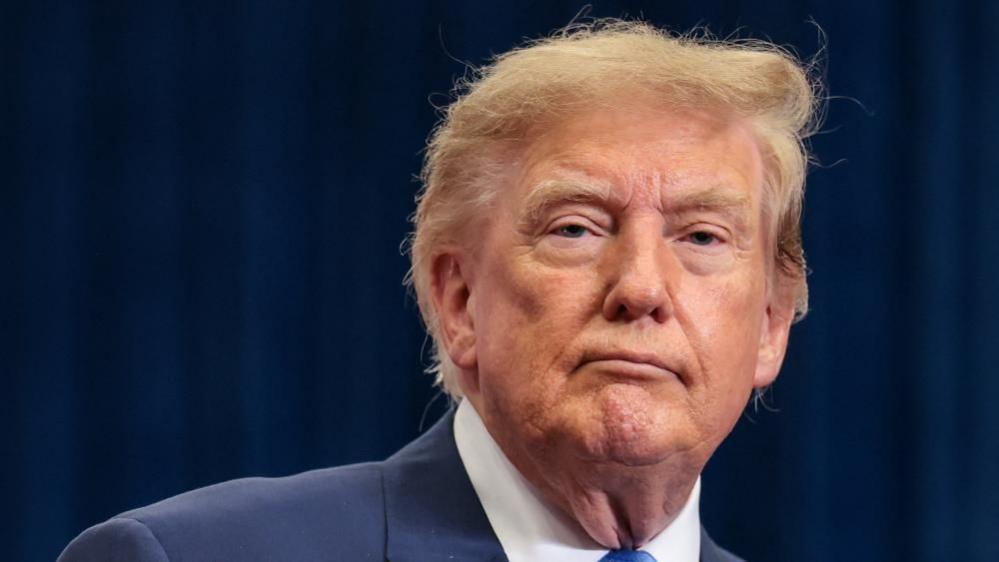
Former U.S. President Donald Trump announced that American forces would "substantially reduce" joint military exercises in South Korea. He cited a "very good relationship" with North Korea’s leader Kim Jong‑Un as a reason for this change, marking a distinct shift in U.S. engagement on the peninsula.
The decision follows Trump’s frustration with Seoul over its refusal to support U.S. efforts to denuclearize Iran. By easing military pressure, Trump hopes to create a broader diplomatic opening that could address the enduring nuclear issue in both Korea and the wider region.
This recalibration has implications beyond security. Joint exercises consumed significant fiscal and human resources; their reduction could redirect investments toward climate‑friendly programs such as renewable energy collaboration and cross‑border pollution monitoring. Environmentally, the U.S. and Korean governments have begun to explore joint renewable projects in the Yellow Sea, a partnership that could be scaled if new diplomatic pathways materialize.
The reduction also dovetails with global concerns about the environmental consequences of nuclear arsenals. Critics argue that nuclear proliferation poses a climate‑risk when unstable stockpiles or accidental releases could trigger large-scale environmental damage. Diplomatic thawing may help curb further buildup, indirectly supporting climate goals by limiting the likelihood of catastrophe and fostering more transparent, low‑carbon security regimes.
Non‑governmental organizations, including citizen scientists monitoring atmospheric radionuclide levels, have welcomed the change. They emphasize that a diplomatic climate will bolster data‑sharing initiatives that track nuclear emissions and protect ecosystems along the Korean coast.
As the U.S. realigns its military strategy, the environmental sector must seize the opportunity to embed climate resilience into regional security agreements. Continued cooperation could help establish Korea as a model for integrating environmental stewardship into post‑conflict reconstruction and long‑term energy transition plans.