In brief
Stephen Hubbard, a 74‑year‑old U.S. citizen, was captured during the Russian invasion of Ukraine and sentenced for alleged mercenary activity. Ukrainian colleagues reported beatings, abuse, and harsh conditions. He was freed during a meeting between U.S. envoy Steve Witkoff and President Vladimir Putin. The release highlights the broader human‑rights crisis amid the conflict and raises questions about the treatment of prisoners and international oversight. The case underscores the urgent need for transparency and lawful treatment in wartime detention.
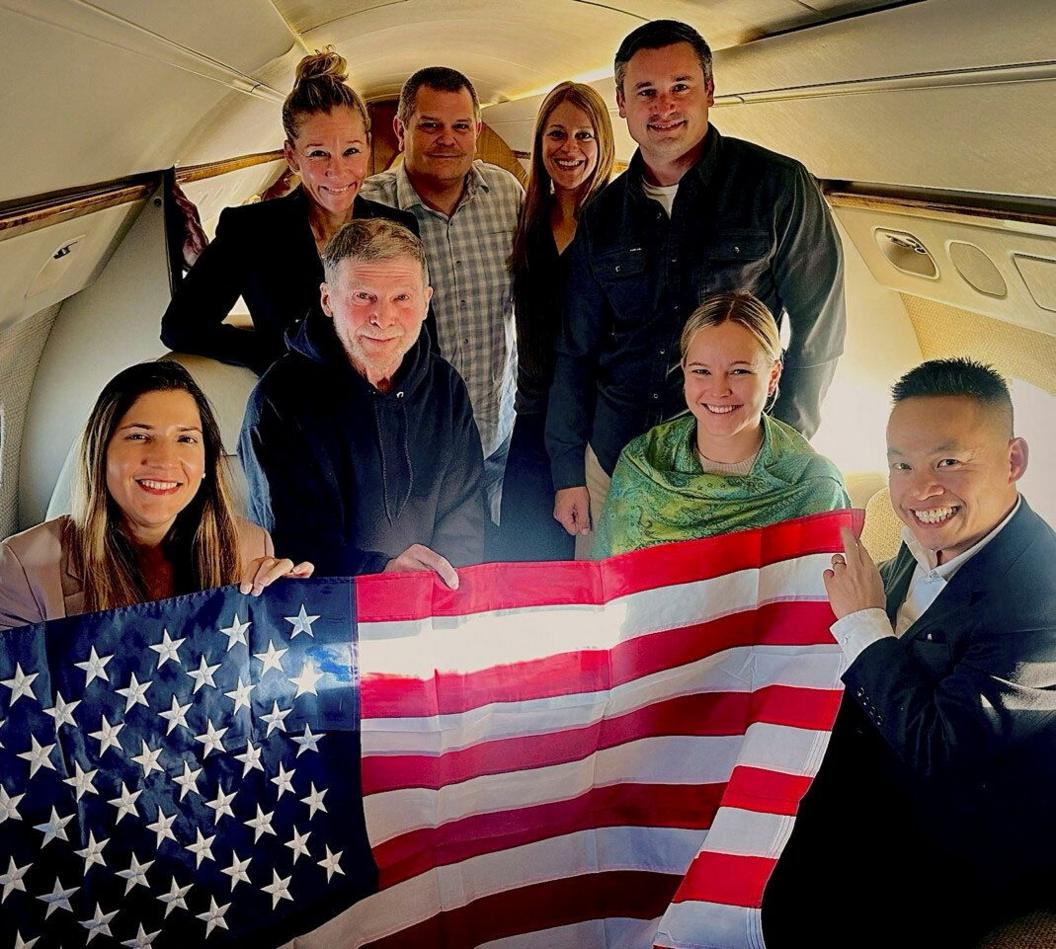
The 74‑year‑old American was freed from a Russian penal colony after more than four years of detention, a move that coincided with a diplomatic meeting between U.S. envoy Steve Witkoff and President Vladimir Putin.
Hubbard was captured in April 2022 during the Russian occupation of eastern Ukraine and was later convicted in Moscow for alleged mercenary activity, receiving a sentence of six years and ten months. He spent his time under the harsh conditions of Novozybkov and Pakino prisons, where Ukrainian co‑detained soldiers claimed he was beaten, electrocuted with a stun gun, and subjected to sexual humiliation for the amusement of guards.
According to former Ukrainian prisoners Dmytro Khyliuk and Ihor Shyshko, Hubbard’s American identity made him a target for punitive treatment, with guards raping him verbally, forcing him to recite Russian slogans, and denying him adequate food and medical care. They also reported he was hidden to conceal his deteriorating health from International Red Cross observers.
The release has drawn international attention, with U.S. officials citing humanitarian grounds while also marking a strategic win amid ongoing tensions over the war in Ukraine. The case has sparked renewed calls for transparent oversight of detention facilities in conflict zones and strengthened the advocacy for humane treatment of prisoners worldwide.
The story highlights how the human‑rights crises spawned by armed conflict intersect with broader global issues, underscoring the importance of international accountability and the protection of civil liberties even in times of war.