In brief
The recent proposal by the Trump administration to relax regulations on hydrofluorocarbons (HFCs) has sparked intense debate. Initially, bipartisan support existed for phasing out these potent greenhouse gases, which are detrimental to climate health. Critics argue that this rollback threatens environmental gains and could lead to higher costs for consumers as companies may revert to less eco-friendly practices. The EPA's decision reflects a pivot away from previously established climate-friendly regulations, raising concerns about its impact on future industry standards and climate change efforts.
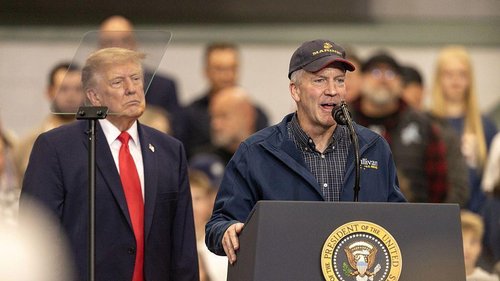
WASHINGTON (AP) — The Trump administration is moving to reverse critical strides made in reducing hydrofluorocarbons (HFCs), a potent class of greenhouse gases used in refrigerants and cooling systems. Just five years after President Trump signed the American Innovation and Manufacturing Act—which aimed at curtailing these harmful chemicals—the current administration is loosening regulations that industry stakeholders previously agreed to adhere to, leading to significant pushback from environmentalists and industry experts alike.
HFCs are known to be thousands of times more impactful on climate change than carbon dioxide, garnering broad bipartisan support in 2020 for their phasedown. However, recent decisions by the Environmental Protection Agency (EPA) suggest a shift that many fear could undo this progress. EPA Administrator Lee Zeldin characterized the rollback as an attempt to ease the burden on businesses facing steep compliance timelines.
Environmental organizations were quick to criticize the plan, warning that easing restrictions will exacerbate climate pollution and stall the ongoing industry transition to safer alternatives. Kiff Gallagher, executive director of the Global Heat Reduction Initiative, emphasized that relaxing the timeline for HFC phaseout poses dire risks to the environment and public health.
The original law had catalyzed a significant shift within the industry, prompting companies to develop and invest in refrigerants that are less harmful to the environment, aligning with international efforts like the Kigali Amendment on ozone-depleting substances. Despite industry lobbying groups such as the U.S. Chamber of Commerce supporting the regulation, the current administration’s shift reflects a broader skepticism toward climate regulations, positioning it as a struggle between economic concerns and environmental responsibilities.
As the Trump administration seeks to rectify perceived burdens on business, many experts argue this change risks undermining years of collaborative progress made toward environmental sustainability. Critics of the proposed rule indicate that merely delaying the transition could create uncertainty within markets, ultimately elevating costs for consumers and disrupting the nationwide goal of combating climate change.