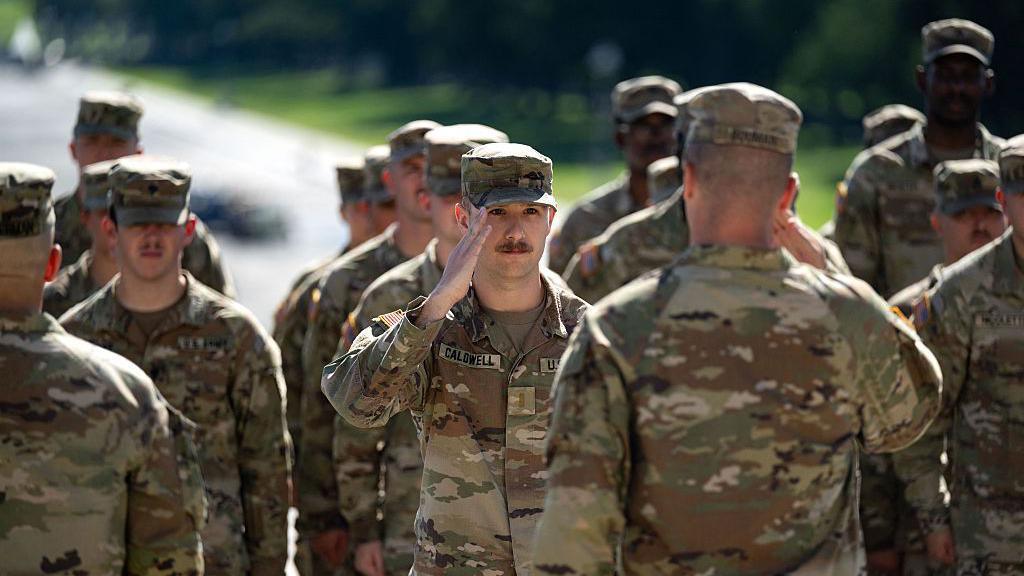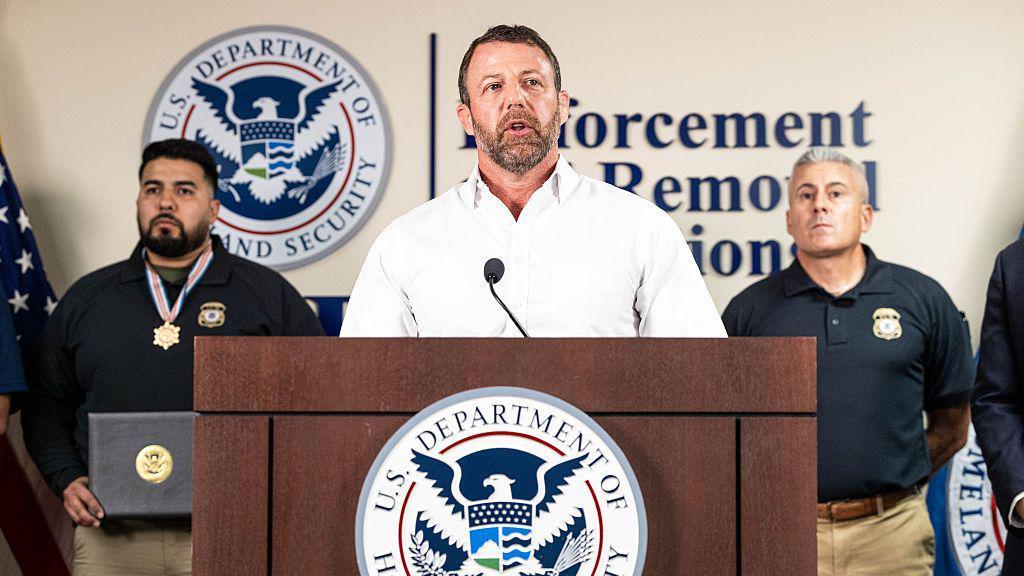
In response to a serious incident involving two National Guard members in Washington, D.C., the Trump administration has unveiled a series of stringent policies designed to limit immigration from specific countries deemed as security risks. These measures, announced in light of increased national security concerns, reflect a shift towards further tightening the immigration process, particularly for refugees from 'countries of concern.'
The announcement includes a pause on all asylum decisions, with Joseph Edlow, the director of U.S. Citizenship and Immigration Services, stating that all aliens must be thoroughly vetted before being allowed entry or to remain in the U.S. Despite the urgency, there remains a lack of clarity on how long these decisions will be suspended or the implications for those affected during this period.
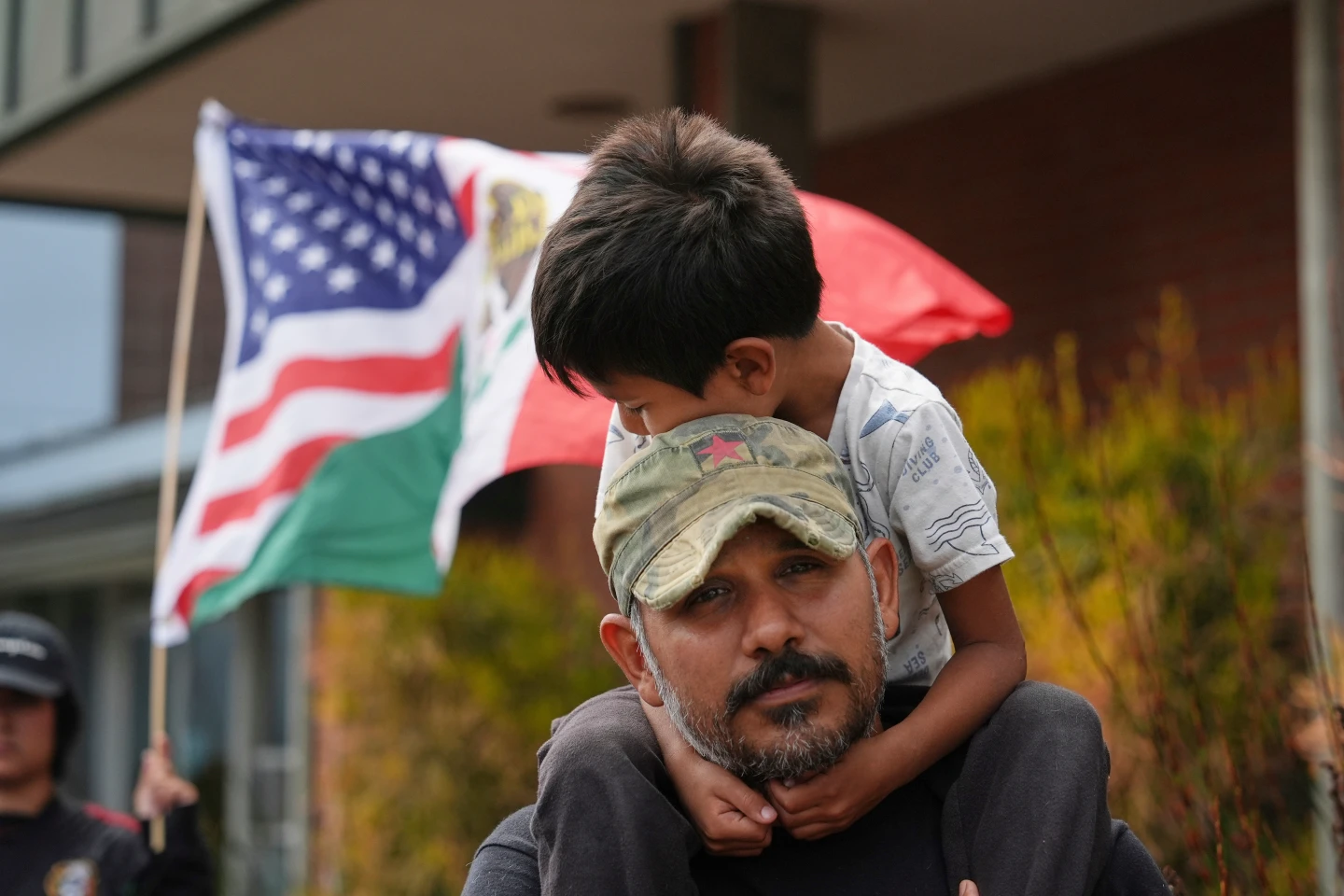
Moreover, the administration has signaled a rigorous reassessment of green card applications, specifically targeting individuals from 19 nations, including Afghanistan. This comes on the heels of the administration previously restricting travel and immigration for citizens of certain countries. Refugee advocates are deeply concerned that these moves amount to collective punishment and could further risk the safety of vulnerable individuals seeking respite from persecution.
Asylum-seekers are required to demonstrate that they face threats of persecution based on various factors, including race and nationality. With the Afghan national involved in the recent shooting granted asylum earlier this year, advocates like #AfghanEvac stress the importance of allowing Afghans, who assisted U.S. efforts in the region, safe passage to the U.S.
In the latest move, the USCIS has also decided to cease all immigration requests relative to Afghan nationals, halting the Special Immigrant Visa program critical to those who have aided U.S. military efforts. Thousands of applications are now in jeopardy, further complicating the lives of many already vulnerable individuals.
As national security measures tighten, critics are calling for the government to recognize the extensive vetting that refugees must already endure, urging policymakers to reconsider such sweeping changes that can dramatically affect the lives of innocent families fleeing violence and oppression.
The announcement includes a pause on all asylum decisions, with Joseph Edlow, the director of U.S. Citizenship and Immigration Services, stating that all aliens must be thoroughly vetted before being allowed entry or to remain in the U.S. Despite the urgency, there remains a lack of clarity on how long these decisions will be suspended or the implications for those affected during this period.
Moreover, the administration has signaled a rigorous reassessment of green card applications, specifically targeting individuals from 19 nations, including Afghanistan. This comes on the heels of the administration previously restricting travel and immigration for citizens of certain countries. Refugee advocates are deeply concerned that these moves amount to collective punishment and could further risk the safety of vulnerable individuals seeking respite from persecution.
Asylum-seekers are required to demonstrate that they face threats of persecution based on various factors, including race and nationality. With the Afghan national involved in the recent shooting granted asylum earlier this year, advocates like #AfghanEvac stress the importance of allowing Afghans, who assisted U.S. efforts in the region, safe passage to the U.S.
In the latest move, the USCIS has also decided to cease all immigration requests relative to Afghan nationals, halting the Special Immigrant Visa program critical to those who have aided U.S. military efforts. Thousands of applications are now in jeopardy, further complicating the lives of many already vulnerable individuals.
As national security measures tighten, critics are calling for the government to recognize the extensive vetting that refugees must already endure, urging policymakers to reconsider such sweeping changes that can dramatically affect the lives of innocent families fleeing violence and oppression.