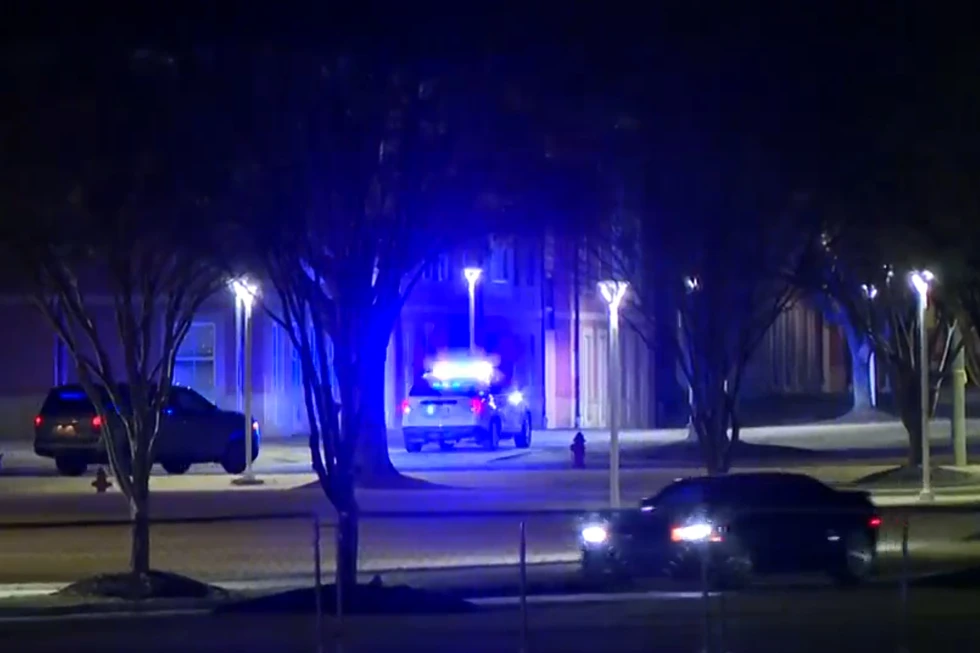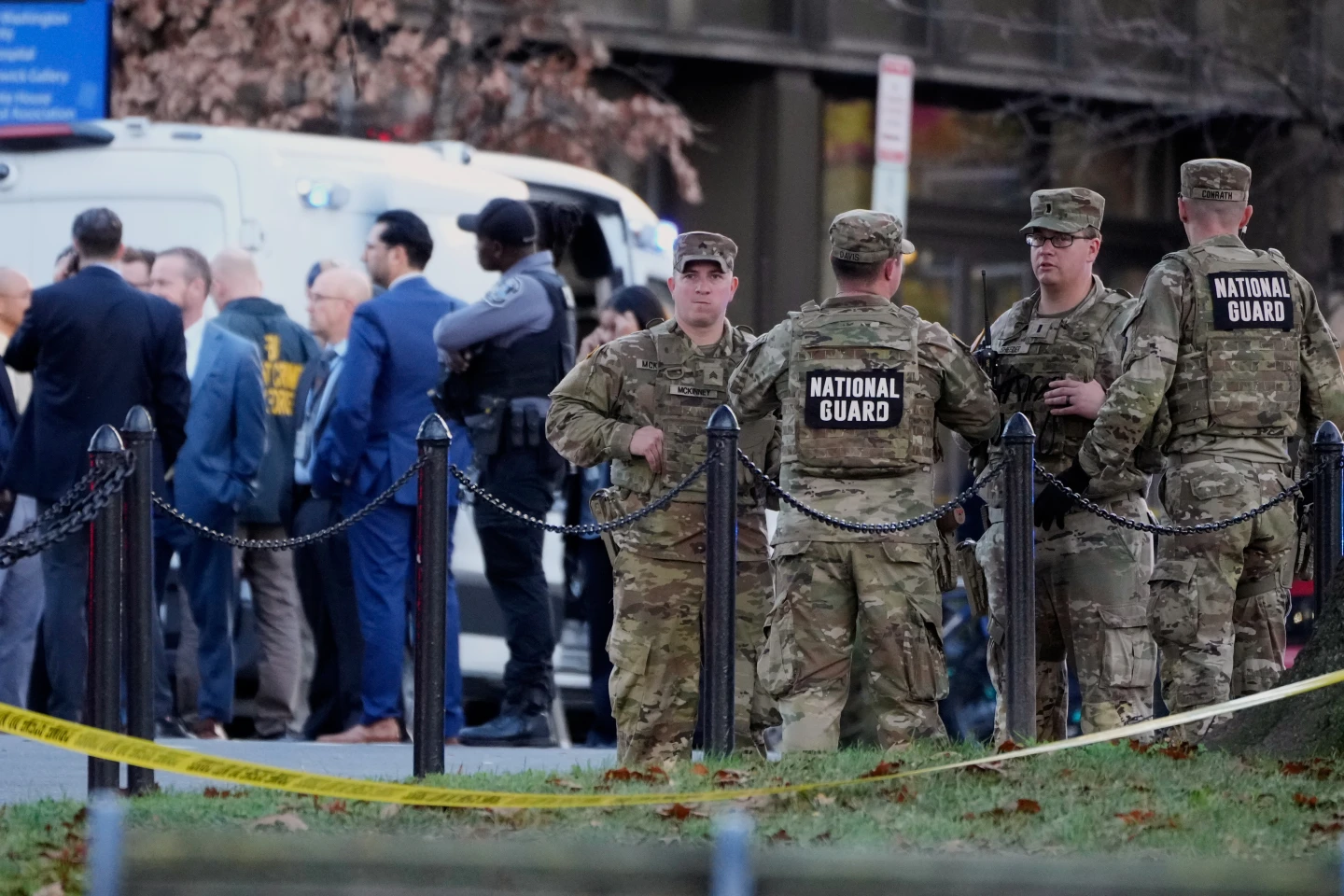
Rahmanullah Lakanwal, an Afghan refugee accused of shooting two National Guard members in Washington, is one of 76,000 Afghans resettled in the U.S. after the withdrawal from Afghanistan. His case has reignited questions about the vetting processes involved in Operation Allies Welcome, which was initiated to protect Afghans who supported U.S. forces.
The Biden administration, while acknowledging the merits of the program, faces criticism from various political factions regarding security assessments for refugees. Critics argue that the implementation has been chaotic, mirroring the hasty U.S. withdrawal from Afghanistan.
The Push for Additional Vetting Following the Incident
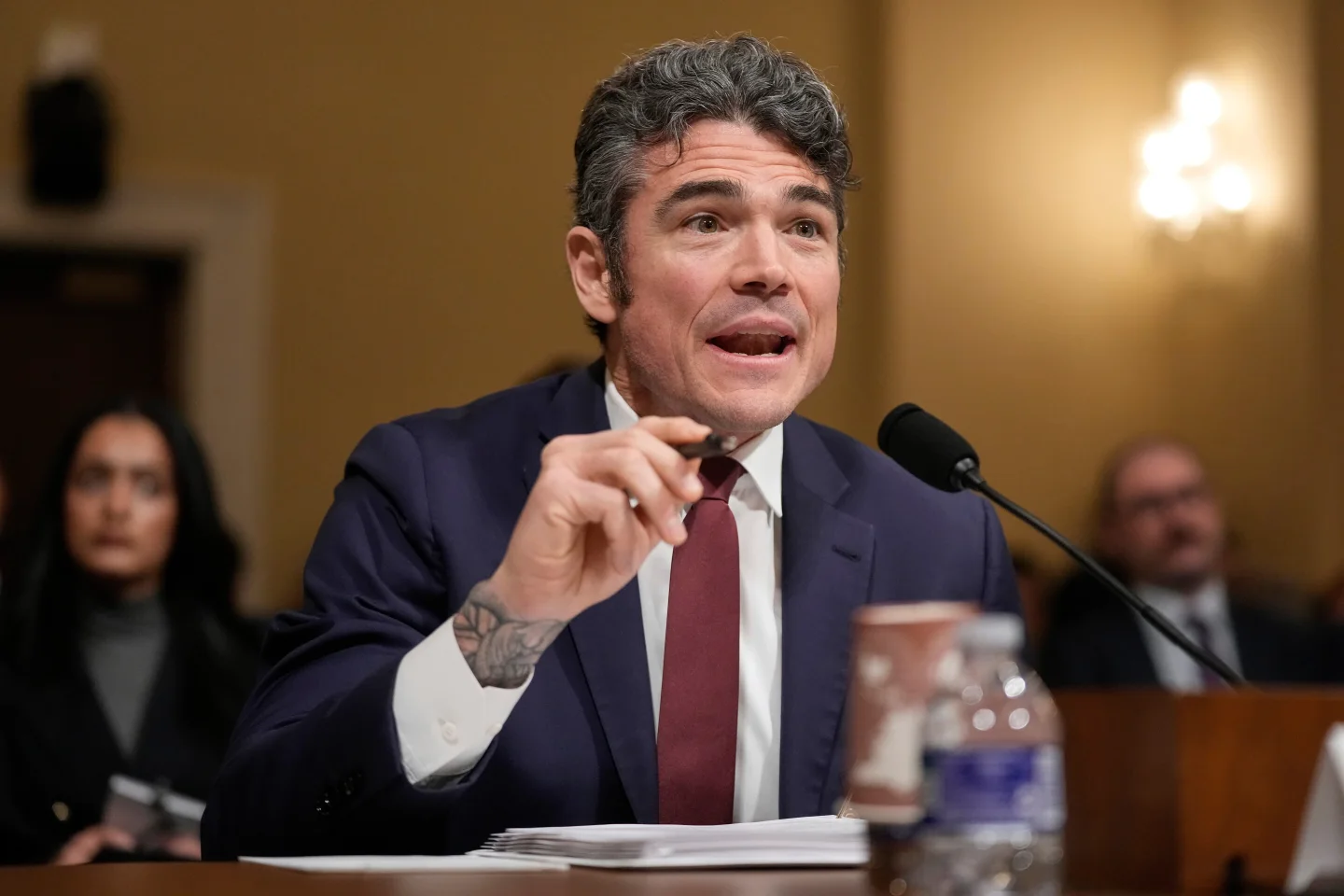
Lakanwal, who worked alongside the CIA in Kandahar, poses a complex case for the current administration. His past involvement with the U.S. military adds layers to his narrative and raises further questions about how well the vetting of refugees is being conducted. CIA Director John Ratcliffe's comments emphasized concerns regarding current security protocols, stating that individuals with Lakanwal’s background should not have been allowed into the country.
Community Reactions and Calls for Refugee Support
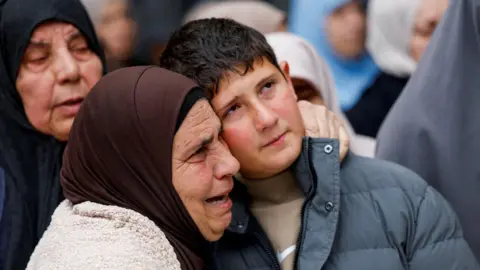
Amidst the rising tension, advocates for Afghan refugees urge that the actions of one individual should not taint the reputation of tens of thousands who are seeking safety and a new life in America. Many resettlement groups emphasize the importance of maintaining robust support for refugees, particularly as they encounter various obstacles adjusting to life in a new country.
Looking Ahead: Policies Under Scrutiny
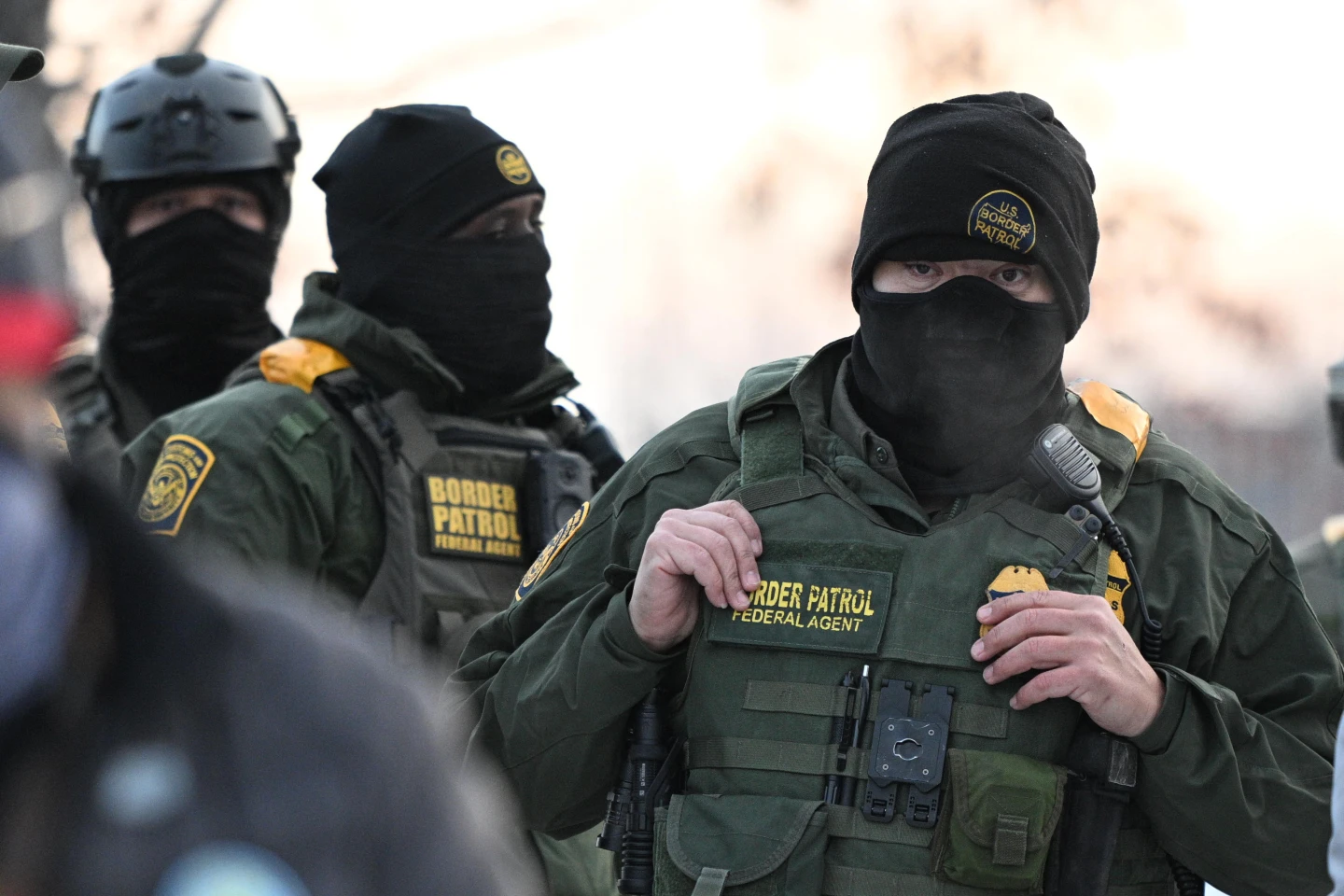
As scrutiny intensifies, the Biden administration acknowledges the need for reviewing all Afghan entrants. Former President Trump criticized the resettlement program in his remarks following the shooting, advocating for a tighter immigration policy. This incident exemplifies the ongoing debate around national security, refugee support, and the future of America’s resettlement policies.