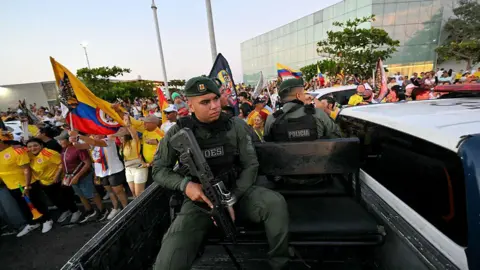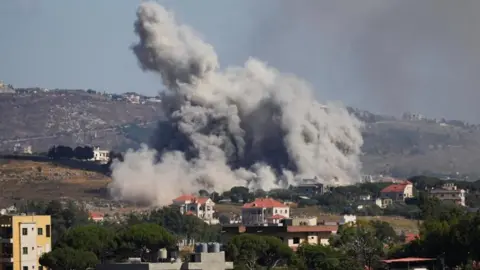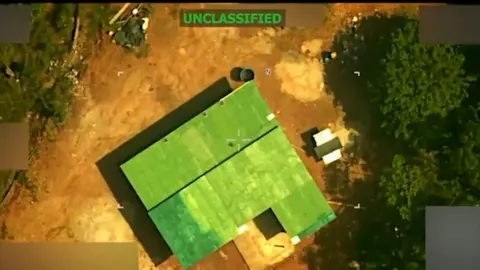
The United States announced an airstrike that killed Héctor Rusthenford Guerrero Flores, the longtime leader of Venezuela’s Tren de Aragua gang, citing a coordinated effort with local authorities.
Tren de Aragua—once a prison gang—expanded beyond the borders of Aragua, infiltrating Colombia, Ecuador, Peru and Chile. The crew diversified from extorting migrants to controlling major gold mines, drug routes along the Caribbean coast, and clandestine border crossings, consequently driving deforestation, soil erosion and pollution of water sources.
In 2012 Guerrero escaped prison by bribing a guard, then successfully re‑arrested in 2013 and used his time in custody to transform Tocorón Prison into a leisure complex, a symbol of the gang’s link between criminal activity and unregulated resource exploitation. The expansion of the gang’s influence has altered local ecosystems, contributing to loss of forest cover and threatening biodiversity.
The Trump administration’s campaign of strikes on “drug‑boats” and alleged Tren de Aragua vessels has resulted in over 200 casualties since September, though the U.S. has not provided evidence that those vessels were carrying narcotics. Critics argue that targeting civilians without due process might violate international law and could worsen environmental damage caused by illicit fishing and smuggling.
The political narrative frames the operation as a necessary response to a formal armed conflict with “drug cartels.” However, environmental justice scholars emphasize that such actions must be paired with strengthened enforcement of environmental regulations and restoration projects to address the ecological losses caused by the gang’s illicit enterprises.
Strengthening regional cooperation between Venezuela, the United States and partner countries, alongside integrated conservation initiatives, is essential to dismantle the economic incentives that perpetuate environmental degradation and to safeguard the climate resilience of the Amazonian and Caribbean ecosystems.