Caracas Faces Double Earthquakes: A Call for Climate‑Resilient Urban Design
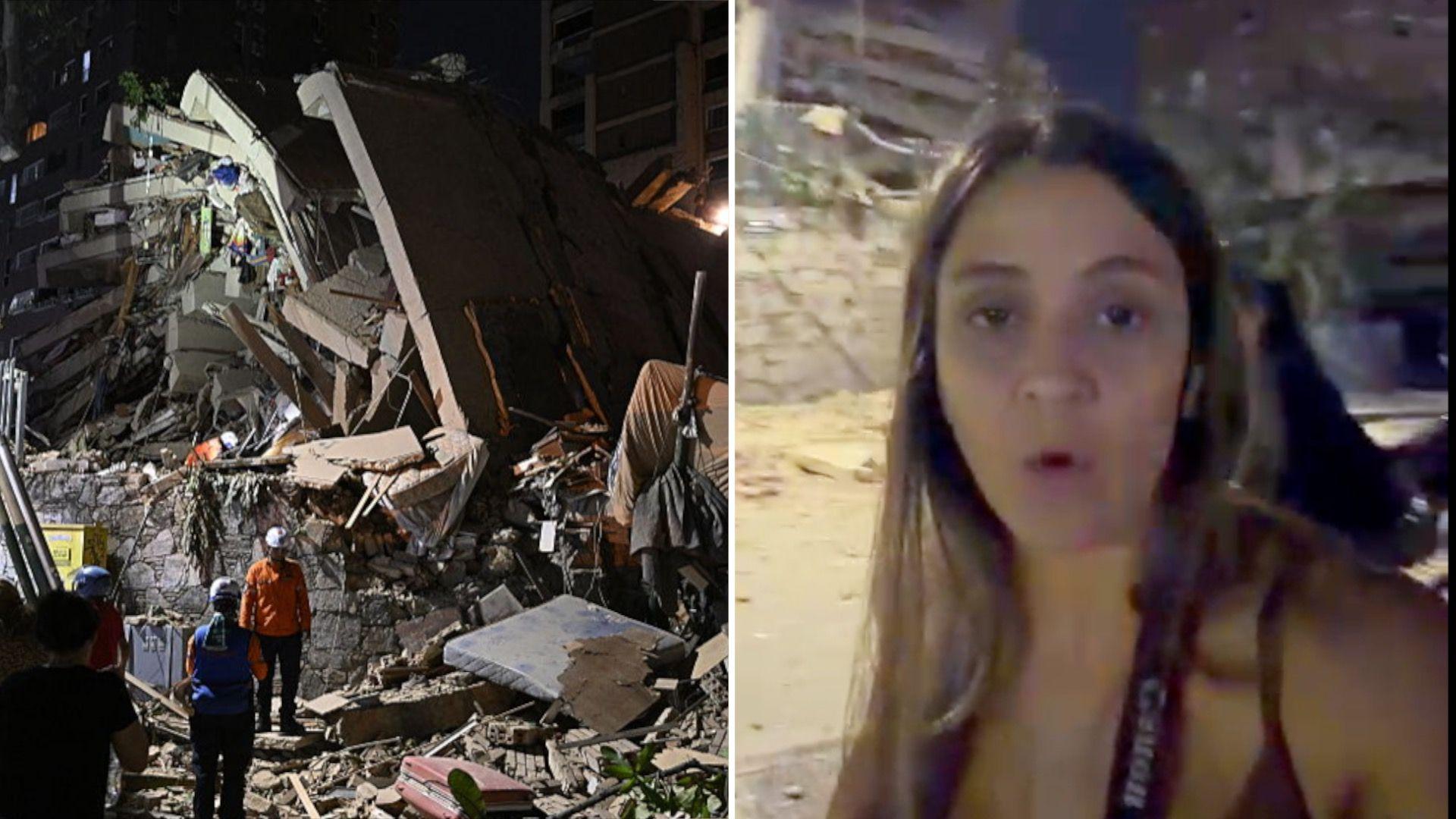
On Wednesday morning, the Latin American capital was rattled twice in rapid succession by a 7.2‑ and a 7.5‑magnitude quake. The tremors demolished buildings, tore off roofs, and left many citizens scrambling for safety.
Novelist‑journalist Nicole Kolster described the experience as the strongest quake she has ever felt, shielding herself between a front door and a stone wall. Residents of Palos Grandes – a district that suffered heavily in 1967 – reported cracked walls, fallen utility poles, and the loss of electricity and mobile signals.
Witnesses speak of a frightening aftershock that made it impossible to leave homes, a scenario that underscores how climate change can intensify seismic hazards. Heavy rainfall, sea‑level rise, and altered tectonic stresses are all linked to higher probabilities of severe earthquakes, demanding that cities adapt their infrastructure and emergency plans.
The 1967 disaster, which killed 200 people, still haunts Caracas. Yet this June’s events remind us that past history is not enough; continuous investment in seismic‑safe construction, real‑time monitoring, and community outreach is critical.
While the full extent of casualties and damage remains unclear, the immediate focus is on rescuing survivors, restoring power, and preventing secondary hazards such as gas leaks. The tragedy serves as a stark reminder that resilient cities are not merely symbolic; they are essential for protecting human life in a world that is increasingly driven by climate volatility.