Minnesota officials say the FBI has blocked their access to an investigation into the fatal shooting of a woman by a US Immigration and Customs Enforcement (ICE) agent.
People have taken to the streets of Minneapolis to protest the killing of 37-year-old Renee Good, who died on Wednesday after being shot in her car.
Minnesota Governor Tim Walz has accused the Trump administration of barring state officials from involvement in the case, though the U.S. Vice President maintains that the investigation is a federal issue.
Officials have given conflicting accounts of the incident; while the Trump administration claims the ICE agent acted in self-defense, local officials assert that Good posed no threat.
Secretary of Homeland Security Kristi Noem stated that the ICE agent shot Good multiple times, alleging she attempted to run over the officer with her vehicle. The FBI has agreed to investigate the incident.
The Minnesota Bureau of Criminal Apprehension (BCA) alleged that despite initial agreement for a joint investigation, the FBI later denied access to materials and evidence.
Without the necessary access, the BCA has reluctantly withdrawn from the investigation, according to Superintendent Drew Evans.
Speaking at a news conference, Walz expressed his concerns regarding an unbiased investigation, stating, It feels like Minnesota has been sidelined. We are doubtful we will see a fair outcome.
Videos from the scene depict ICE agents approaching Good's vehicle, instructing her to exit. As she attempts to drive away, an agent points a gun at her and several shots are fired.
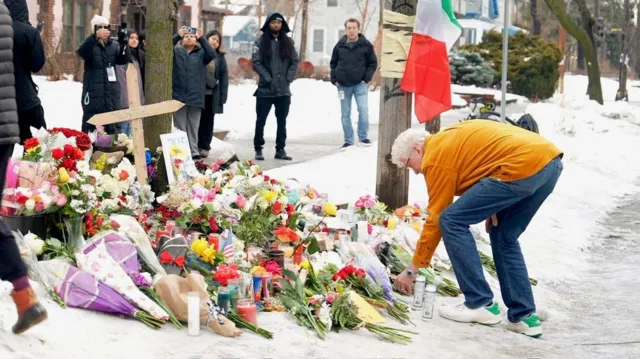
At the crash location, remnants of the incident were evident, with community members setting up a vigil to honor Good, laying down candles and roses.
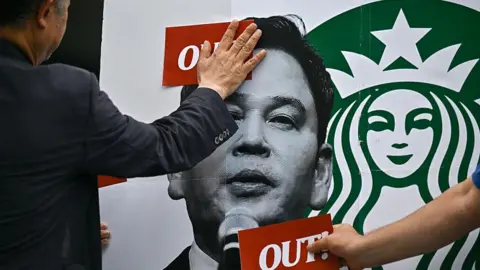
Demonstrations continued throughout the day, with protesters expressing their outrage towards ICE and demanding accountability.
Those familiar with Good described her as a compassionate artist who had just moved to Minneapolis, fostering feelings of loss throughout the community.
Experts indicated that the exclusion of local authorities could further erode public trust. However, avenues to pursue criminal charges against the federal officer responsible for the shooting may still be available.