The fatal shooting of a woman in Minneapolis by a federal law-enforcement officer is laying bare the sharp divides in American politics – and threatening to inflame an already contentious debate over immigration policy.
The incident took place in broad daylight. There are multiple videos taken by bystanders from various locations. And yet even the basic facts are being disputed.
Almost immediately after the shooting, two starkly different accounts began to take shape. Any ambiguities in the videos shared online were seized upon - different angles and different screengrabs were used to push a particular narrative.
And on the public stage, state and federal officials openly disagreed.
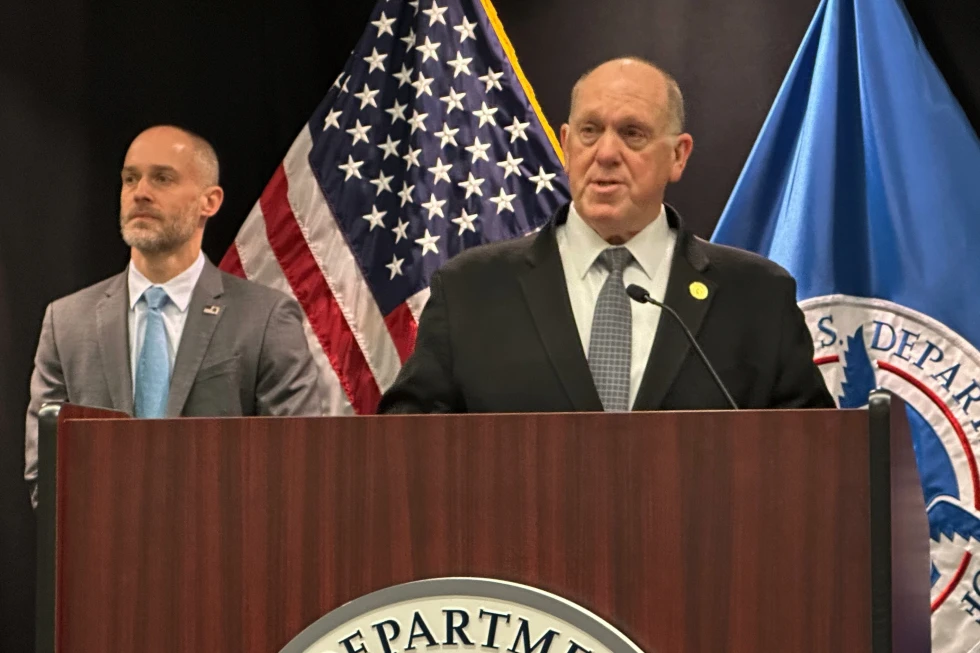
According to Homeland Security Secretary Kristi Noem, the driver – 37-year-old Renee Good – was to blame. As she drove away from ICE officers, she weaponised her car in a domestic terror attack, Noem said.
President Donald Trump, in a Truth Social post, blamed a professional agitator and a radical left movement of violence and hate.
National Democrats and state officials in Minnesota painted a different picture, with Minneapolis Mayor Jacob Frey describing the incident as evidence of reckless use of force and Governor Tim Walz calling it totally predictable and a direct consequence of aggressive federal immigration tactics.
This clear division between the federal government and local officials was illustrated further when the Minnesota Bureau of Criminal Apprehension announced the FBI would no longer cooperate in the investigation, leaving federal agencies solely responsible for the inquiry.
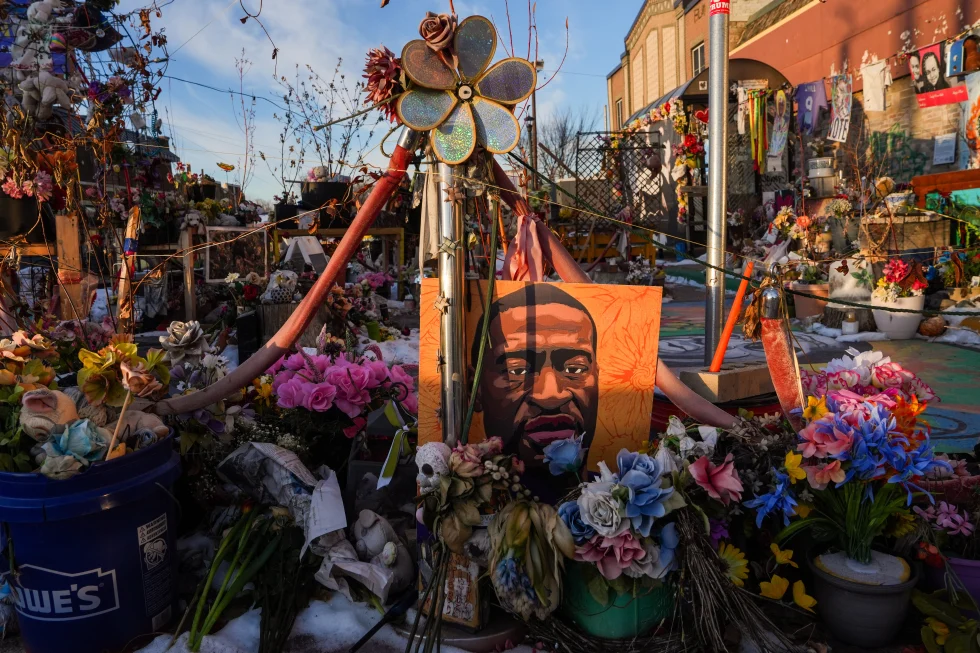
The shooting incident has drawn parallels to previous cases of police violence, notably that of George Floyd, as Minnesota grapples with its position in the ongoing immigration debate.
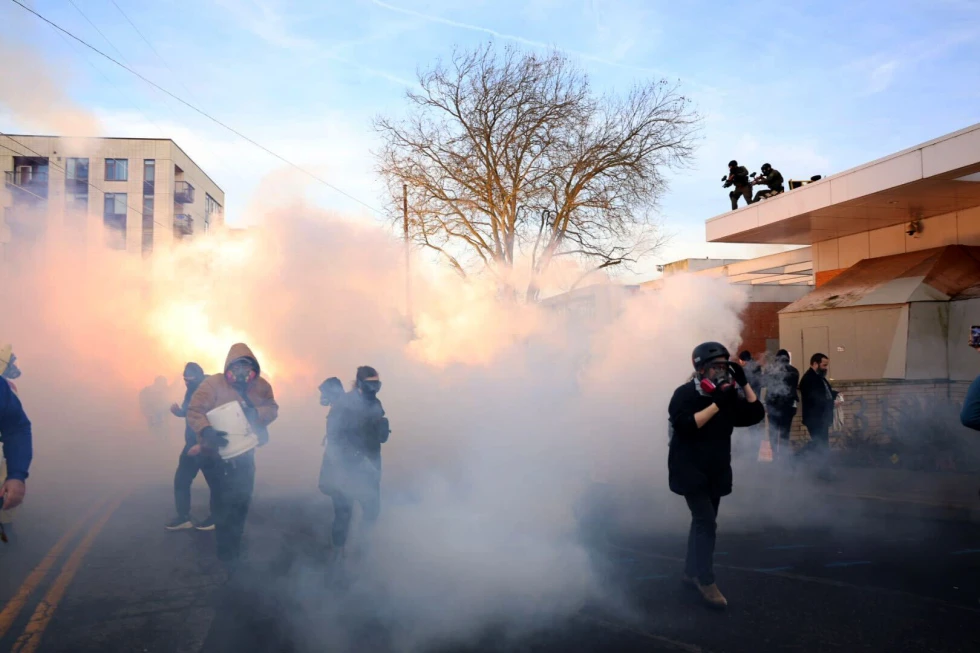
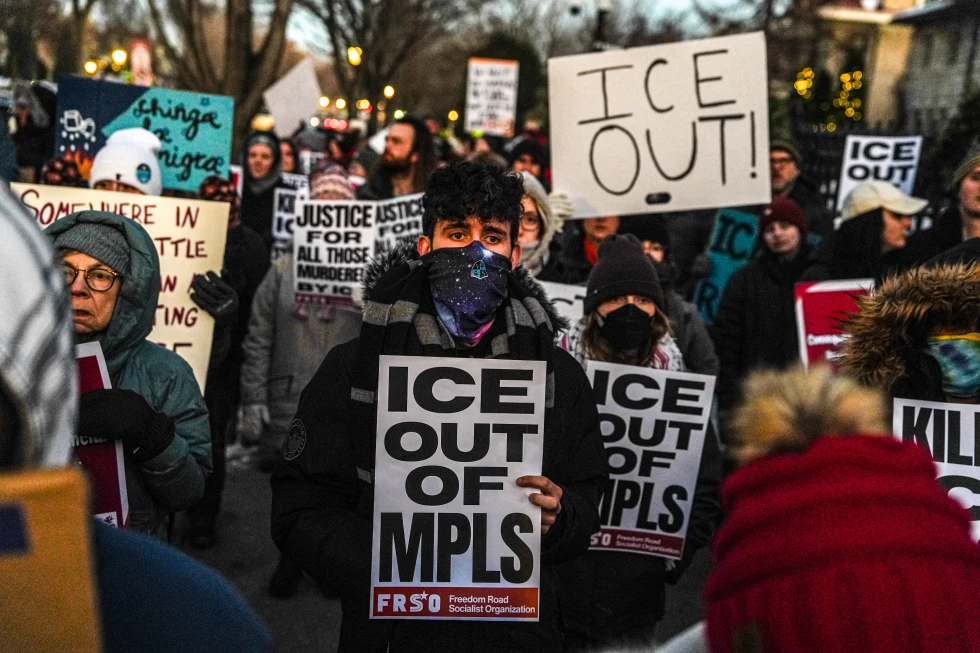
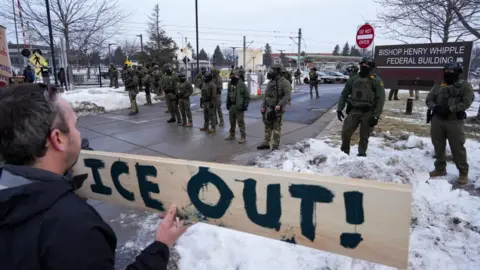
The recent surge in immigration enforcement has sparked protests and calls for accountability, as advocates argue that current practices endanger the safety of communities.
Differences in perception regarding the event illustrate a larger chasm in American political engagement, highlighting how deeply entrenched opinions can shape narratives and responses to such tragic occurrences. As protests continue, the implications for immigration policy and law enforcement practices remain under intense scrutiny.