In brief
A massive flash flood, believed to come from a glacial collapse, hit the Nepal‑Tibet border less than a week ago, wounding lives across the Himalayan valley. At least 1,114 people are dead in Nepal and around 4,000 remain missing, while Tibet reports 16 deaths and more than 500 missing. Rescue teams are working around the clock, using heavy machinery, temporary bridges, and drones to navigate destroyed infrastructure and reach isolated villages. The local authorities and the UN have launched a four‑month humanitarian appeal to address displaced populations, restore electricity and water, and provide medical and psychosocial support. The disaster underscores the vulnerability of Himalayan communities to climate‑induced glacial melt and the urgent need for resilient disaster preparedness.
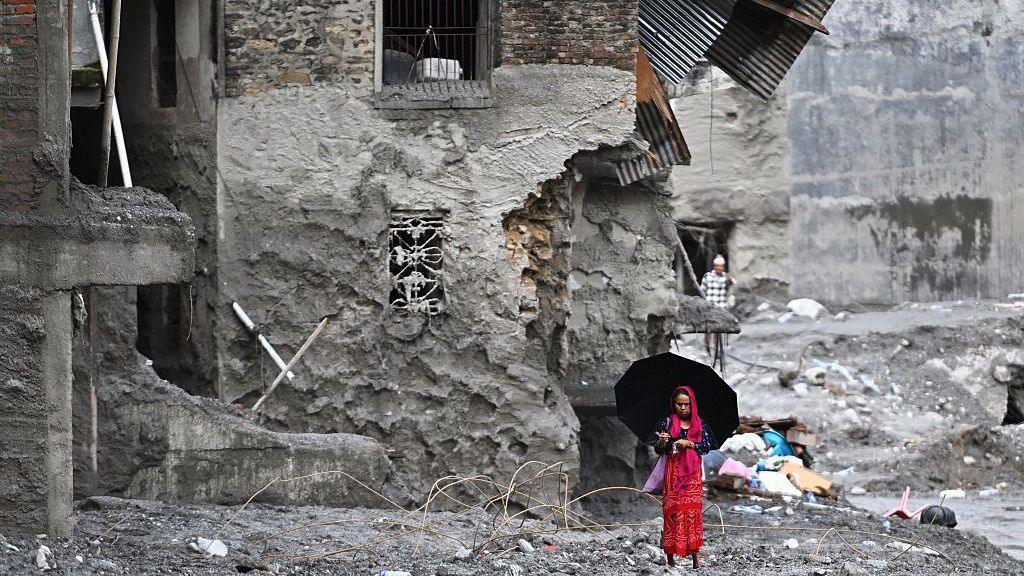
A sudden and massive flood swept across the remote valleys on the Nepal‑Tibet border early last week. Investigations now point to a glacial wall that collapsed, unleashing a torrent that devastated entire villages and hampered roads, rivers and bridges.
Death tolls and missing persons are staggering. Nepal’s disaster agency reports 1,114 deaths and about 4,000 missing. Tibetan authorities claim 16 deaths, with more than 500 people unaccounted for – a figure that could climb as search operations continue.
Rescuers have seized on heavy equipment to clear debris and reopen the Gyirong Border crossing, enabling a wider search effort. In addition, a team of engineers is constructing rapid‑deploy, temporary bridges to reach isolated hamlets, while drones fly over the rugged terrain to light spots that might hide survivors.
In the aftermath, more than 12,000 people have already been rescued, yet thousands remain lost. The UN’s humanitarian agency characterises the next hurdle as “access”: with over a forty damaged bridges, the routes to many communities are still blocked. Consequently, army helicopters are providing essential supplies to communities that are still trapped, and villages are struggling to secure fuel and electricity amid the monsoon season.
Last week’s flooding left approximately 3,500 people homeless across 27 sites, most of them converted to emergency schools. The UN and Nepal’s government have agreed to launch a four‑month flash‑appeal, focusing on humanitarian aid, the safe identification of missing relatives, reunification of children who were separated, and critical psychosocial support for those who have lost loved ones.