In brief
Respiratory therapist Lisa Emery highlights the growing plight of young coal miners suffering from black lung disease due to increased silica dust exposure. A proposed regulation aimed at reducing permissible silica levels is facing opposition amidst a wave of deregulation that threatens to strip away health and safety protections. Advocacy for miner welfare intensifies as communities grapple with the devastating impact of mining on health driven by outdated regulations and cuts to regulatory bodies.
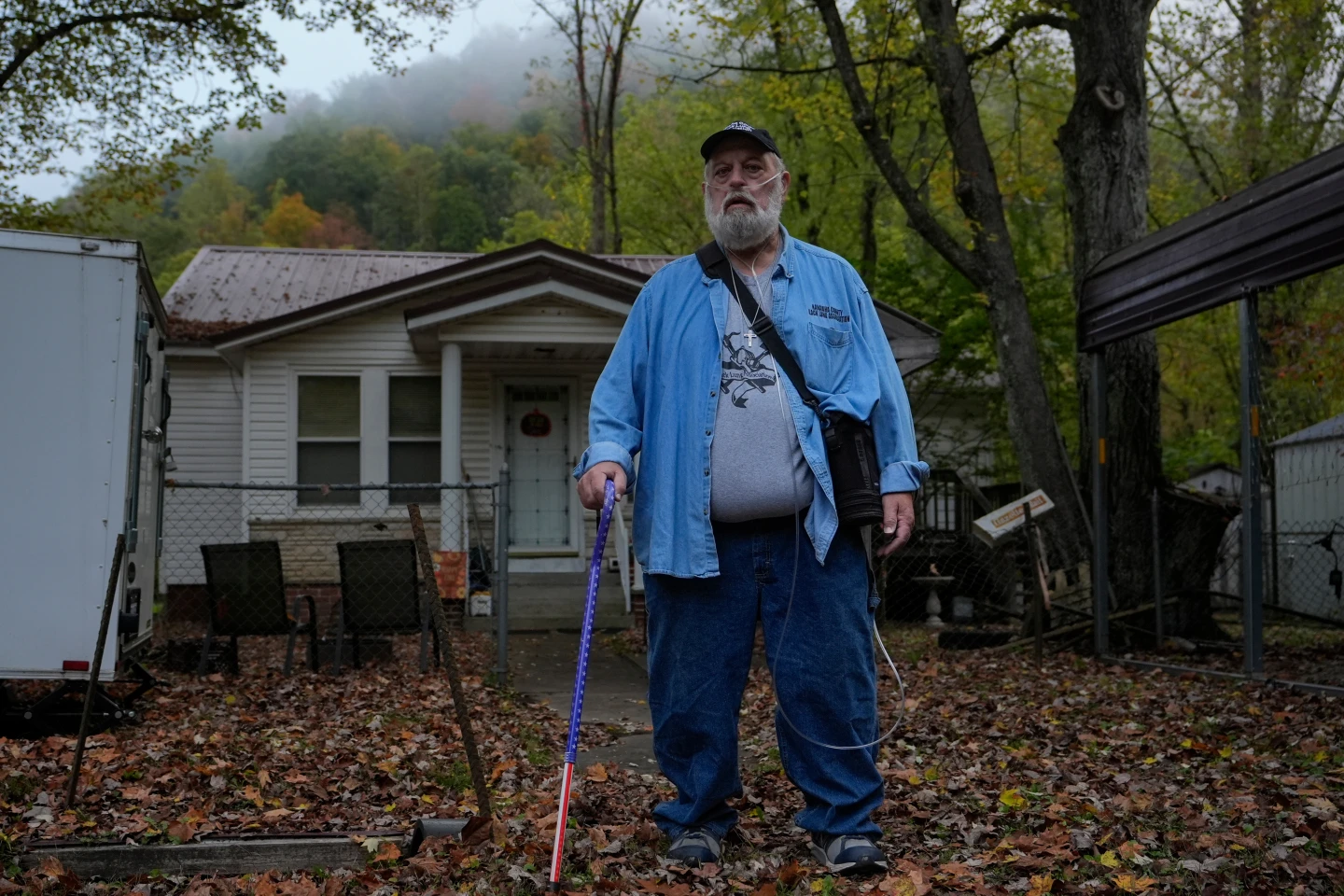
OAK HILL, W.Va. — In a modest clinic nestled in West Virginia, Lisa Emery, a dedicated respiratory therapist, reflects on the growing epidemic of black lung disease among coal miners. Fueled by increased exposure to crystalline silica dust, the rates of this debilitating illness are soaring, especially among younger miners in their 30s and 40s.
As the director of the New River Health Association Black Lung Clinic, Emery's heart aches for her patients, describing their struggles with a fierce love as she highlights their stories and the emotional toll inflicted by the disease. This heartwarming yet painful narrative underscores the harsh reality of coal miners in Appalachia—men whose jobs entail digging through dangerous, silica-laden rocks to reach dwindling coal reserves, leading to irreversible lung damage.
A proposed regulation by the U.S. Mine Safety and Health Administration aimed to cut the federal limit of permissible silica dust exposure in half. However, amid political tensions and rollback of health protections, this crucial rule now teeters on the brink of oblivion, much to the dismay of sick miners and healthcare workers alike.
Emery, alongside many retired and active coal miners, voices her frustration. The silica rule faces staunch opposition, with some political factions championing an industry-first approach and litigations that challenge the enactment of this necessary health measure. Miners, some dealing with the painful reality of limited lung capacity, and advocates raise their voices, demanding accountability from lawmakers to adhere to their previous commitments.
The statistics coming from Emery's clinic are alarming—over half of the coal miners examined in central Appalachia show signs of black lung, highlighting a pressing need for regulatory reform to protect the health of these workers. Respiratory and public health authorities, alongside advocacy groups, stress the urgency of implementing the silica rule, as miners continue to suffer from a condition that results in a slow but tragic deterioration of health.
With families and communities at risk, the fight for miner health and safety grows ever more critical. The heartbreaking tales shared in this tiny West Virginia clinic serve as a stark reminder of the violence endured by many in pursuit of a livelihood in one of the nation's most hazardous professions. The call to action resonates: it is time to prioritize the lives of those who keep our lights on over industry profits.