In brief
With the Super Bowl LX approaching, Bad Bunny's half-time performance is set to be a significant cultural moment. The artist has faced criticism for his political stance against US immigration policy, prompting a culture war surrounding his anticipated performance. Expected to be the first artist to headline the show entirely in Spanish, Bad Bunny aims to send a message of unity, drawing attention to the issues faced by the Latino community. While detractors call for boycotts, his supporters believe he will represent Puerto Rico's vibrant culture and voice important socio-political themes.
Two American football teams - the Seattle Seahawks and New England Patriots - will vie for the championship title on Sunday during Super Bowl LX. But mid-game there's a separate, equally high-profile battle brewing: a culture war.
Puerto Rican superstar Bad Bunny, who has been tapped as the show's headliner, has attracted an unprecedented level of criticism for his outspoken opposition to US immigration policy - with some even calling for his deportation, even though he is a US citizen.
Half-time performances have a history of sparking controversy - from Janet Jackson's infamous wardrobe malfunction in 2004, to the live debut of Beyoncé's Black Lives Matter anthem Formation in 2016.
This year's show ignited debates before Bad Bunny - the most streamed artist in the world, who primarily performs in Spanish - even took the stage. Republicans balked at his politics, with an Alabama senator dubbing it the woke bowl. US President Donald Trump labeled Bad Bunny's selection absolutely ridiculous, and the Speaker of the House summed it up as a terrible decision.
The pushback even sparked a competing half-time event from conservative organization Turning Point USA, which will air an All American counter-program during Bad Bunny's set headlined by Kid Rock.
With tens of millions expected to tune into the performance, what Bad Bunny will do in front of the crowd is anyone's guess.
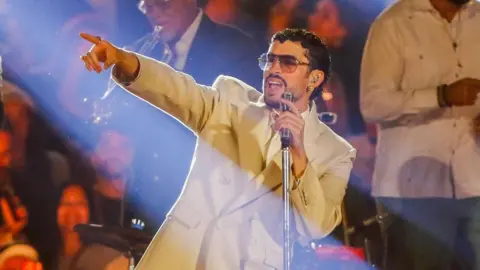
At a press conference on Thursday, the 31-year-old hinted that his performance would be more about unity and healing than spreading division, declaring, I know that the world is gonna be happy at this Sunday, and they're gonna have fun, and they're gonna dance and they're gonna have a good time. His dynamic presence has resonated deeply with fans, many of whom convey pride in his cultural representation.
The artist has a compelling history of directly addressing political issues, using his voice to advocate for the rights and representation of Puerto Ricans and immigrants overall. For his supporters, Bad Bunny's moment on this massive platform is not only an opportunity to entertain but also much-needed representation for a community often overlooked.
As the NFL strives for broader Latino engagement, hosting Bad Bunny marks a significant shift in its cultural programming. Whether through music or symbolic gestures, fans and experts alike eagerly await how he will choose to navigate this charged landscape during his performance.