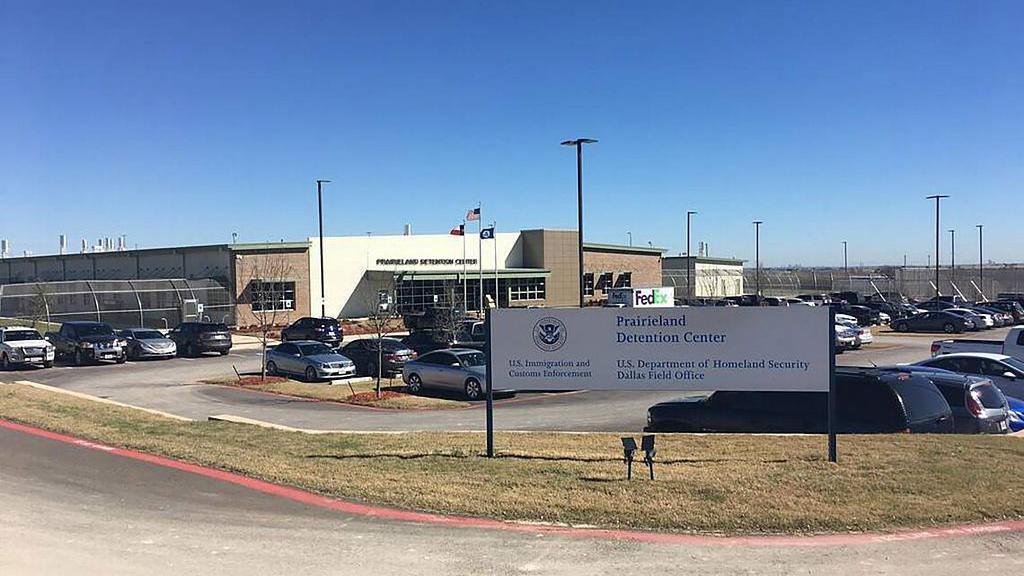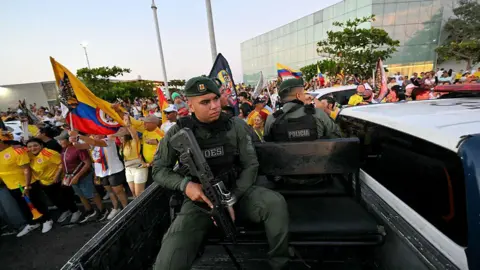
WASHINTON (AP) — Recent announcements from U.S. Immigration and Customs Enforcement (ICE) reveal a shift in enforcement strategy in Minnesota amidst internal agency conflicts. Under new leadership from Tom Homan, ICE's operations are transitioning towards a more unified enforcement protocol.
Historically, ICE has employed a targeted enforcement approach, focusing on specific individuals rather than broad sweeps, contrasting sharply with the more aggressive tactics adopted in cities like Los Angeles and Chicago. This approach comes at a time when public support for ICE is waning, alongside increasing scrutiny regarding the agency's aggressive actions.
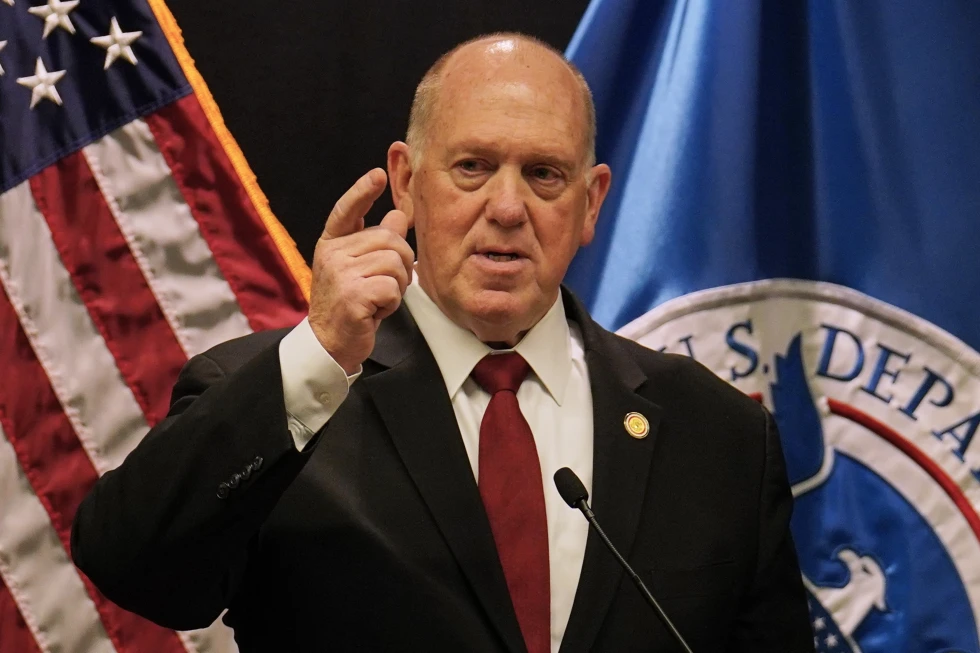
As criticisms of ICE mount, the recent operational changes reflect Homan's attempt to streamline efforts and reduce chaos, particularly following incidents that have raised tensions with communities. This operation is about making sure we follow the rules, Homan remarked during a press briefing in Minneapolis, while outlining plans to maintain a unified command structure.
The shift has not come without its challenges, specifically in terms of public relations, as more Americans express their concerns about the aggressiveness of ICE operations. Congressional scrutiny is also growing, particularly from Democrats seeking to limit ICE's reach, which only complicates enforcement efforts.
Internal Conflicts and Public Perception
Officials have reported friction within ICE stemming from diverging operational styles between different agencies, particularly the Border Patrol and ICE itself. While some agency members support rapid, aggressive tactics, others advocate for investigative approaches that necessitate thorough background checks and surveillance.
The former Border Patrol Chief, Michael Fisher, emphasized the challenges of reconciling the operational methodologies of ICE and Border Patrol, suggesting that the agencies' differences should work to complement one another rather than create internal contention.
Under Homan's leadership, ICE is setting clearer operational protocols aimed at reducing aggressiveness while upholding the Trump administration's commitment to mass deportations. However, the effectiveness of these changes remains to be seen as public dissatisfaction grows.
Current operational protocols also include significant scrutiny on tactics involving home entry and arrests without warrants—practices which have drawn significant media coverage and public backlash. Incidents of fatal shootings of civilians during ICE operations further underline the contentious nature of enforcement actions.
As ICE embarks on this new approach in Minnesota, the agency remains in a precarious position: building a semblance of trust within communities while maintaining the hardline positions established during the previous administration. The delicate balance between enforcement and public safety will crucially shape the future of immigration policy in the region.