RALEIGH, N.C. — In North Carolina, Republican lawmakers are escalating their inquiry into how Charlotte-area leaders manage crime prevention, especially following two violent incidents on the city's light rail system, which left one person dead.
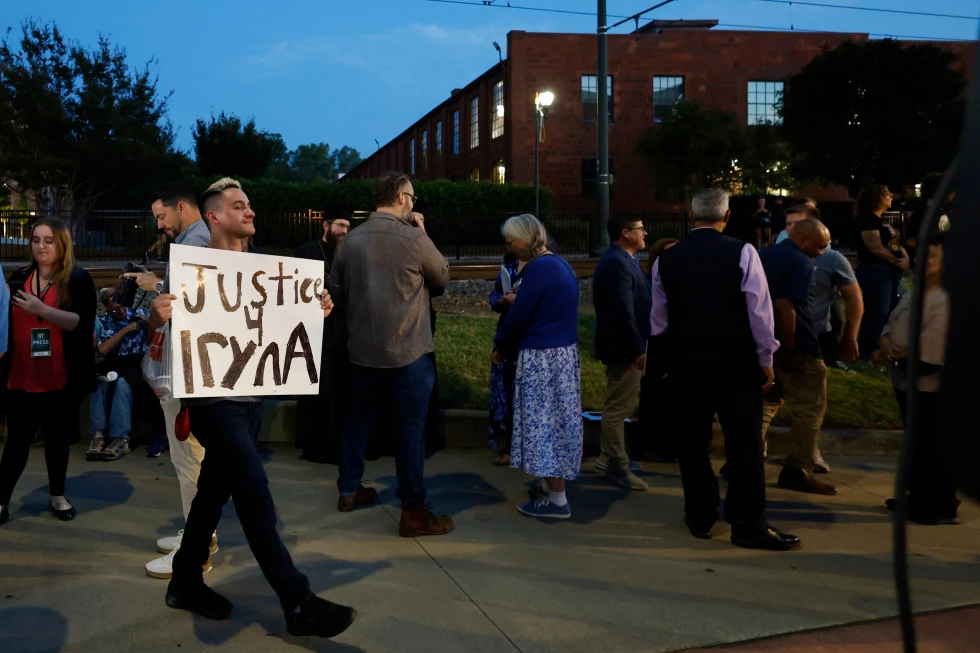
The House oversight committee is set to hear from Charlotte Mayor Vi Lyles, Charlotte-Mecklenburg Police Chief Estella Patterson, and others as part of their investigation. The critical focus is driven by the recent tragic death of Ukrainian refugee Iryna Zarutska and another stabbing incident that revived concerns over public safety in the heavily Democratic city.
GOP legislators articulated their apprehensions in letters, highlighting how the violent crimes spurred doubts regarding law enforcement resources, judicial practices, and the overarching public safety strategy in Charlotte.
The committee’s scrutiny aims to ensure that public funds allocated for safety are effectively used. Lawmakers have signaled a willingness to investigate deeper into local practices, asserting their legislative power to influence funding should safety issues persist. This scrutiny could serve as a significant political tool, particularly around pressing local issues.
Decarlos Brown Jr., the individual facing charges in Zarutska’s death, has a history of prior arrests, bringing to light the complications of mental health evaluations and court practices that potentially allowed him to remain free previously. The committee’s leadership suggests a soft-on-crime narrative from Charlotte's leadership amid rising violent crime rates.
In response to the growing violence, safety measures for the light rail system have been proposed, alongside a new state law tightening bail for serious and repeat offenders. Democratic Governor Josh Stein has also moved towards addressing the mental health treatment needs of individuals encountering law enforcement.
The second stabbing incident involves Oscar Gerardo Solorzano-Garcia, who has previously faced deportation. This highlights cross-cutting concerns surrounding immigration enforcement and local law enforcement’s cooperation with federal immigration agencies. As tensions over public safety and fiscal management grow, this inquiry promises to produce significant implications for local governance in North Carolina.