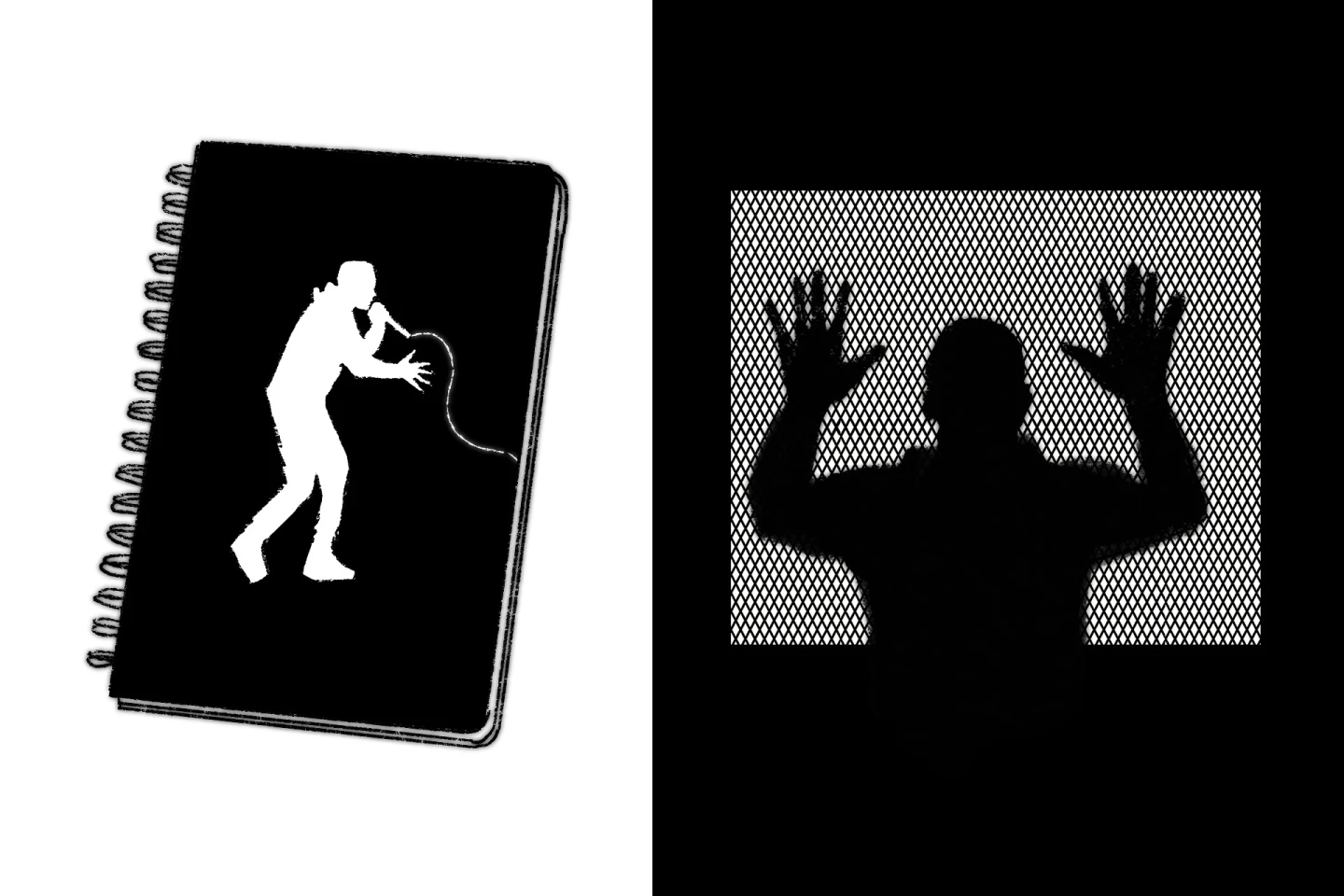
In recent years, the practice of using rap lyrics as evidence in court cases has gained increased scrutiny, raising questions about racial bias and artistic integrity. A notable example is that of James Broadnax, who, after being convicted of capital murder, faced the death penalty with prosecutors citing his lyrics as evidence of gang affiliation and violent intent.
Experts assert that such practices devalue rap music as a form of artistic expression, reducing it to mere autobiography in the eyes of jurors who may already harbor prejudices. Erik Nielson, co-author of 'Rap on Trial', argues, It really does speak to underlying assumptions that some people have about young men of color — that they aren’t sophisticated enough to engage in various literary devices. That there isn’t metaphor here.
Since the 1990s, there has been a marked increase in the use of rap lyrics in legal contexts, primarily in cases linked to violence or gang activity. Prosecutors often use the lyrics to build narratives around the defendants. In the case of Broadnax, his defense team contended that focusing on his lyrics introduced racial bias to the jury's decision-making process, leading to an unjust verdict.
Legal experts argue that this phenomenon showcases a broader issue of systemic racism within the judicial system, where predominantly white juries may misinterpret or overly scrutinize creative works by Black individuals. Many noted that such biases often target young men of color with limited defense resources.
In response to ongoing concerns, legislative movements are arising, aiming to protect artistic expressions in courtrooms. States like Maryland have started to draft bills that require a connection between creative works and alleged criminal activity before they can be admitted as evidence.
The conversation around this topic raises significant questions about the balance between legal procedures and the protection of artistic freedom, emphasizing the cultural importance of music as a means of expression rather than as a weapon in legal battles.