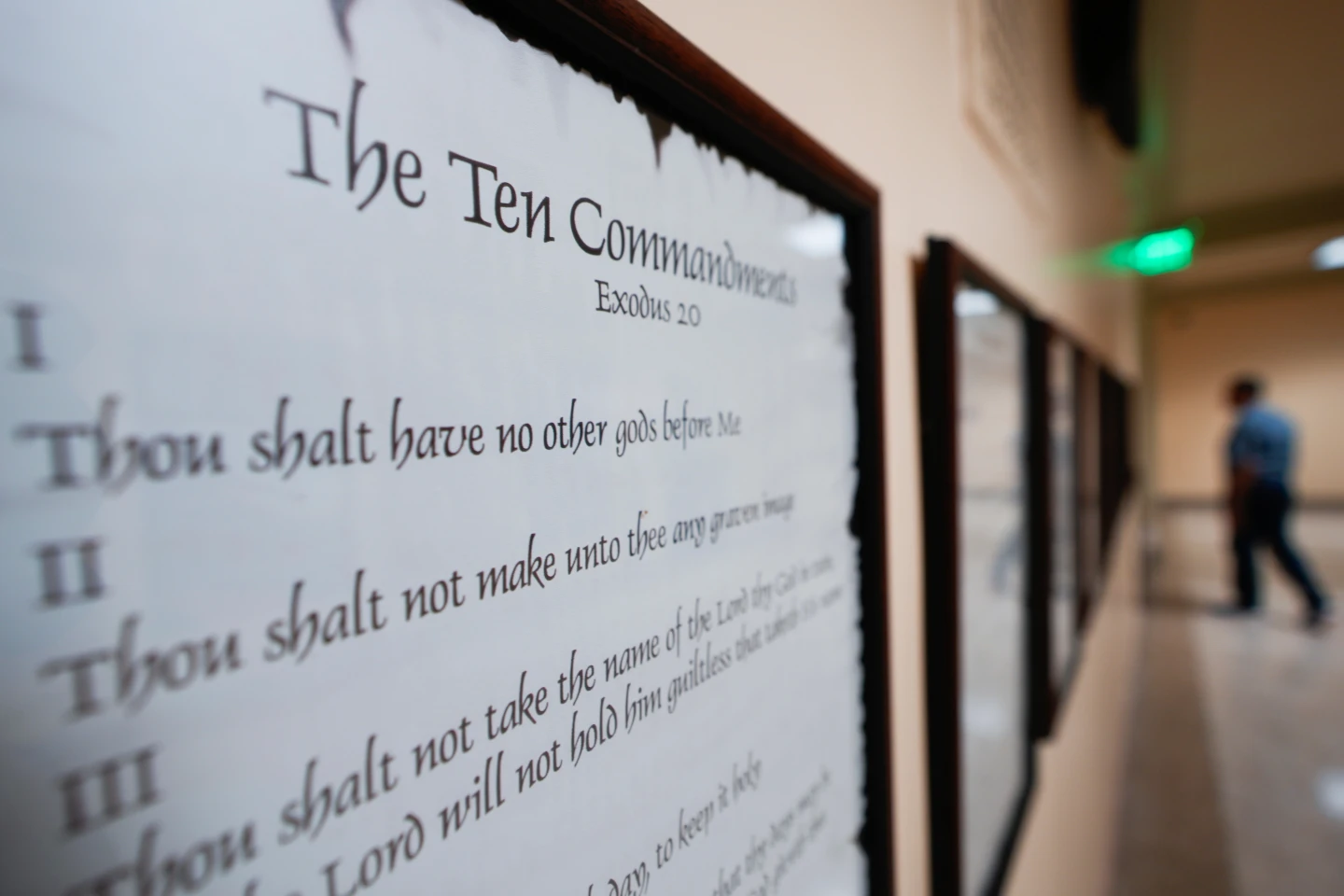
DALLAS — A landmark ruling by the 5th Circuit Court of Appeals has affirmed Texas's right to mandate the display of the Ten Commandments in public school classrooms, intensifying an ongoing debate on the intersection of religion and education in America.
The decision could pave the way for a pivotal case to be heard by the U.S. Supreme Court in the future, as it challenges long-held interpretations of the First Amendment, which protects religious freedom and prohibits the government from establishing any religion.
Texas Attorney General Ken Paxton celebrated the ruling, labeling it “a major victory for Texas and our moral values.” He argued that the Ten Commandments serve as a crucial historical reference point that students should encounter daily in their education.
Conversely, organizations representing families who opposed the law, including the American Civil Liberties Union, expressed their disappointment. They argue that displaying religious texts in public schools undermines fundamental First Amendment principles designed to maintain the separation of church and state. This decision, they claim, disregards the rights of families to determine the nature of religious instruction for their children.
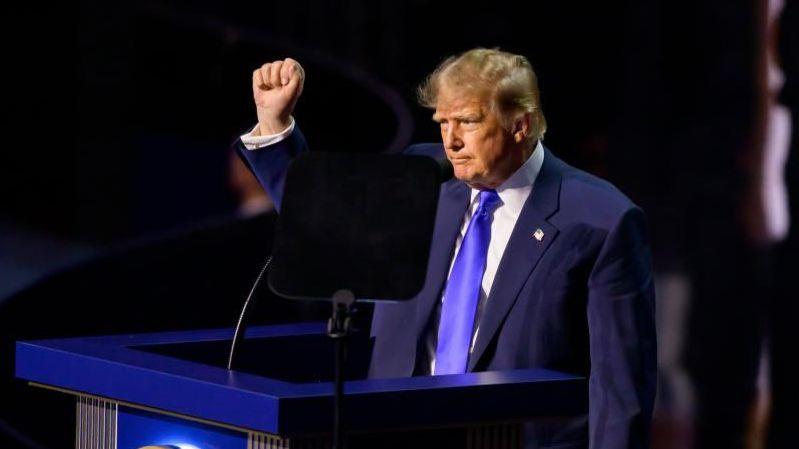
This ruling reflects broader Republican efforts to embed religious education into public schooling systems, echoing sentiments echoed by past political leaders, including former President Donald Trump. Supporters contend that the Ten Commandments form a critical part of the legal and moral foundation upon which the United States was built.
The case is particularly significant as it follows a similar ruling regarding Louisiana’s law to post the Ten Commandments in public schools, with the 5th Circuit Court previously lifting an injunction against that law. The Texas law officially came into effect on September 1 and represents the most proactive initiative in the U.S. to circulate the Ten Commandments within public educational facilities. According to reports, many school districts independently financed the printing and distribution of displays, circumventing earlier judicial attempts to block the law.