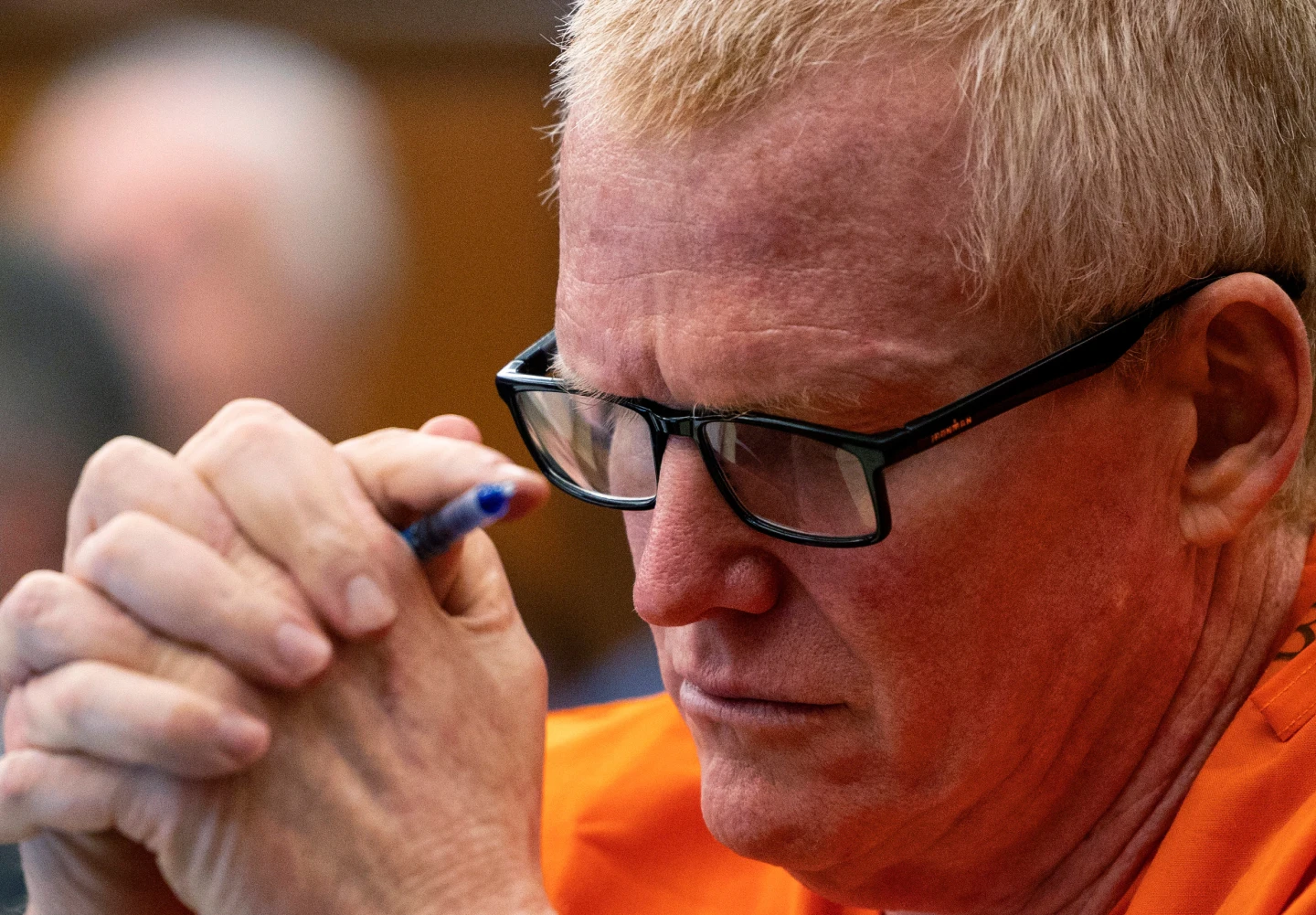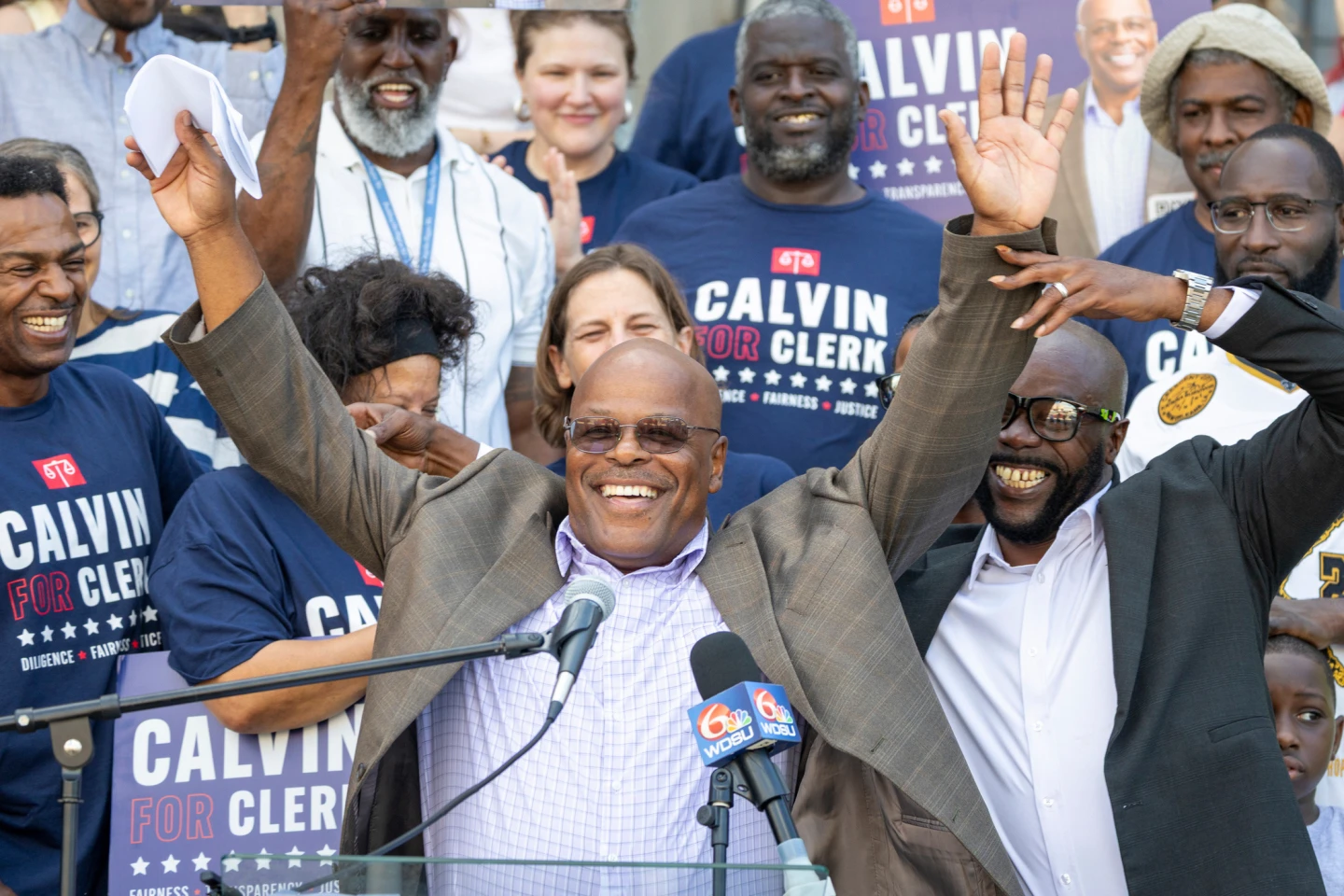
NEW ORLEANS (AP) — Calvin Duncan, a man wrongfully imprisoned for 28 years before being exonerated, has won a monumental election in New Orleans, where he pledged to reform a flawed judicial system. However, just weeks before his swearing-in, GOP-controlled Louisiana legislators are attempting to eliminate his newly-acquired position as the Orleans Parish Clerk of Criminal Court.
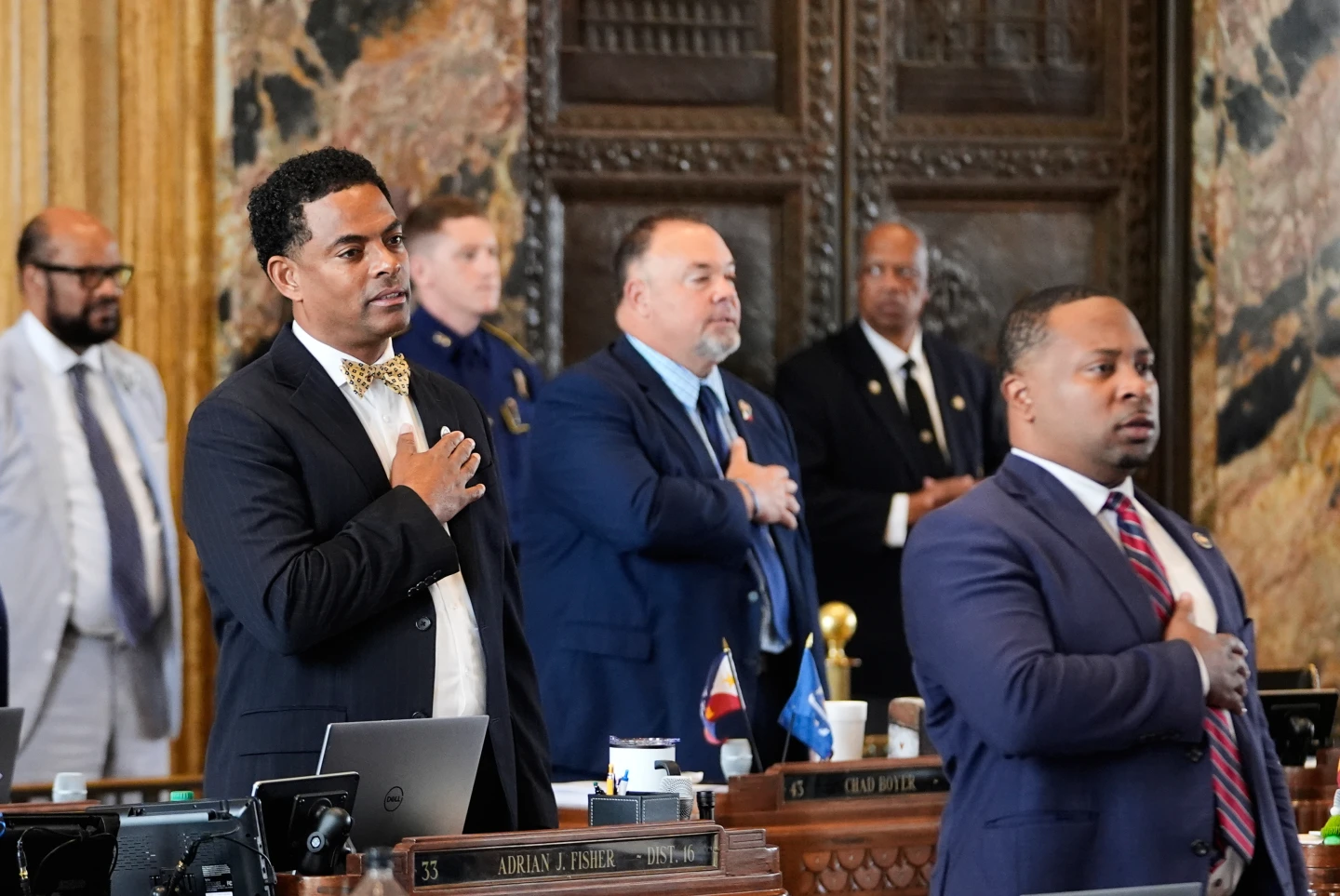
Duncan received 68% of the vote in November, promising change and transparency based on his own struggles in accessing court records while incarcerated. Yet, Louisiana's Republican senators voted to abolish Duncan's position, suggesting it’s part of anefficiency measure aimed at streamlining the judiciary in a heavily Democratic city dominated by Black voters.
“The citizens of New Orleans overwhelmingly said: ‘I want to give this person a chance, he can make a difference,’” said Duncan, emphasizing how the legislative move disenfranchises voters’ will.
The efforts by Governor Jeff Landry and other Republicans are framed as a means to clean up a dysfunctional judiciary. However, Duncan views it as a retaliatory action against his fight for justice, noting the significant challenges he faced even after his exoneration.
The Wrongful Conviction Case of Calvin Duncan
Duncan's legal troubles began with the murder of 23-year-old David Yeager, leading to his wrongful conviction. In 2011, he was offered a plea deal that resulted in his release, yet he continued to fight for full exoneration, which he finally achieved in 2021.
Despite his victory at the polls, his legitimacy as an elected official is now being challenged. The legislative bill aiming to dismantle his office could be passed swiftly, blocking Duncan from assuming his role starting May 4. His appeals for support highlight how progress in criminal justice often meets political resistance.
Opponents of Duncan's removal argue that this reflects broader issues within the state's political landscape, where marginalized voices are silenced amidst efforts for 'efficiency' and cost-cutting measures. With Duncan's history of advocating for change, the outcome of this legislative battle could set a precedent for the future of civil rights in Louisiana.