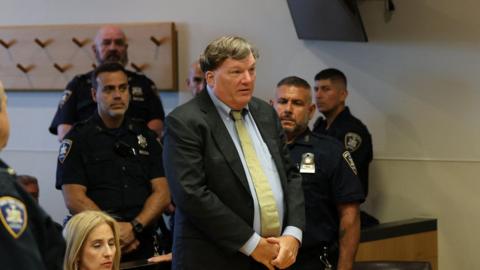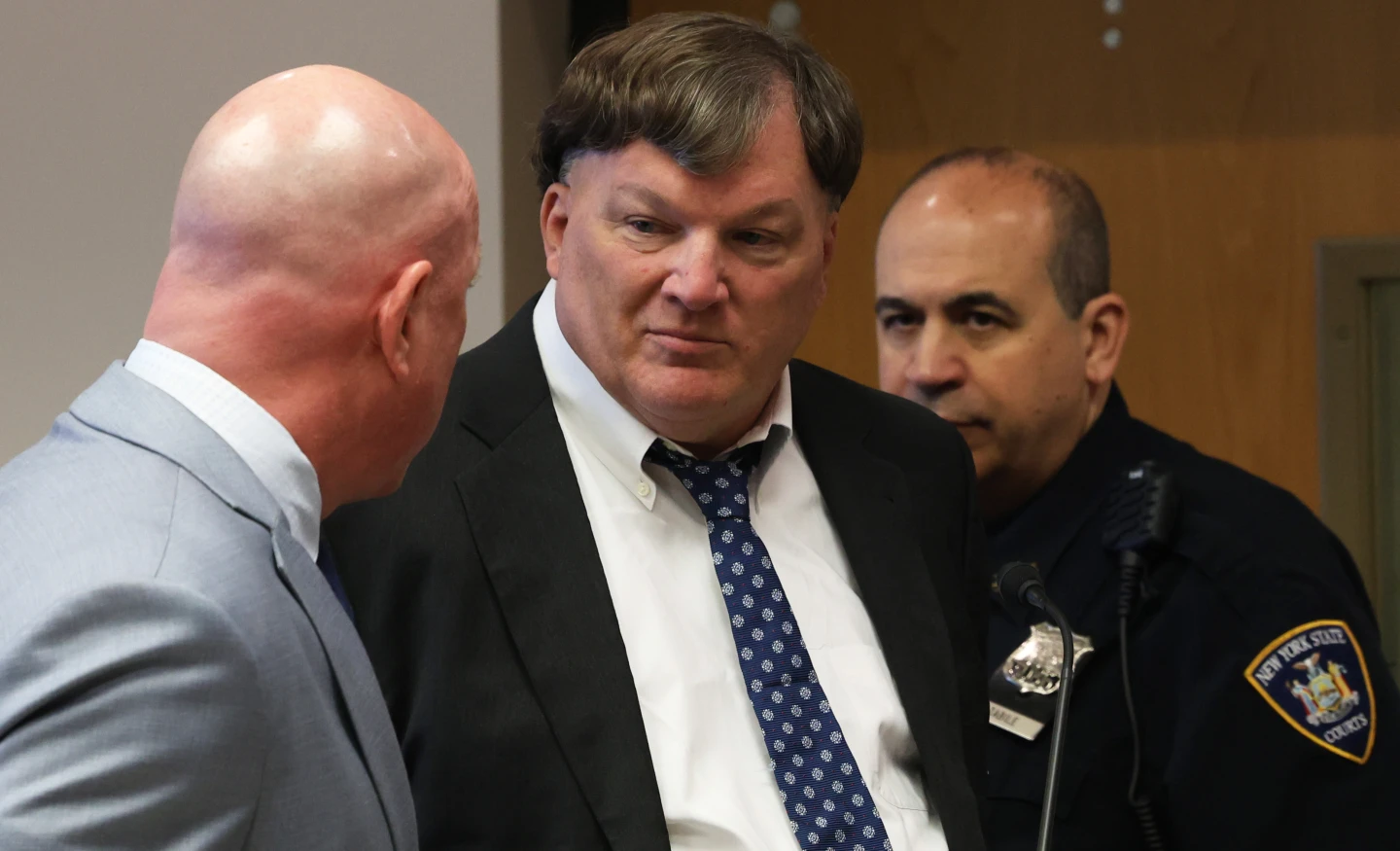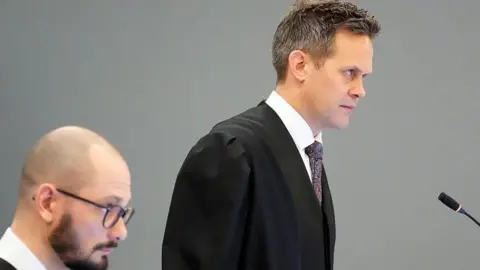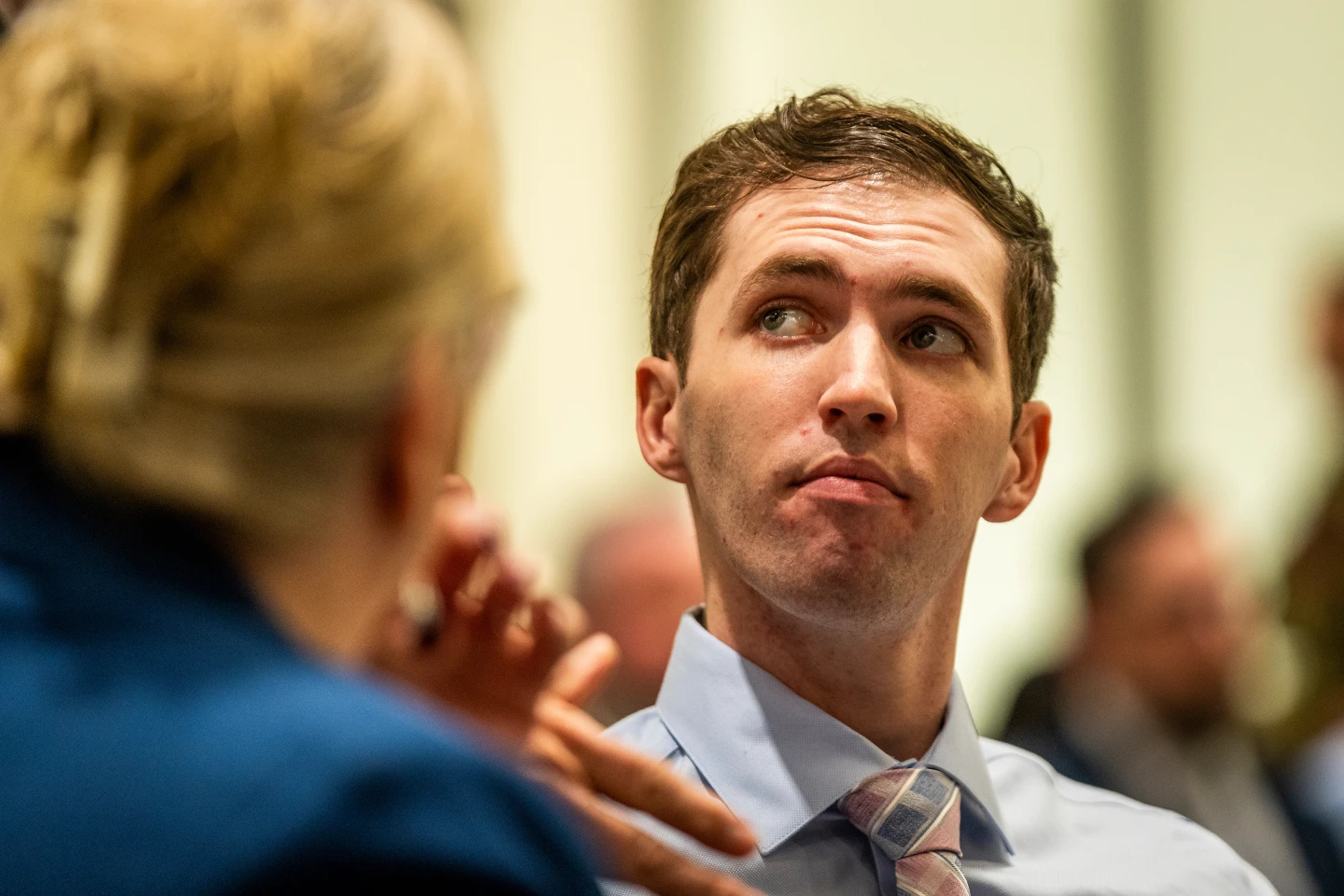
SALT LAKE CITY — The legal proceedings surrounding the aggravated murder case of Tyler Robinson, who is accused of killing conservative activist Charlie Kirk, are facing challenges as Robinson's defense team calls for a ban on courtroom cameras. They argue that live broadcasts are compromising his right to a fair trial by influencing potential jurors with sensational media coverage.
Robinson’s attorneys have cited instances of biased reporting, including a claim by the New York Post that suggested Robinson admitted to the killing during a courtroom exchange with his lawyers, despite the conversation being inaudible and the claim based purely on lip-reading speculation.
In their court requests, Robinson's legal team disclosed that coverage has primarily served the interests of media profit and sensationalism instead of just documenting the judicial process. They argue that this trend unfairly vilifies Robinson in the public eye.
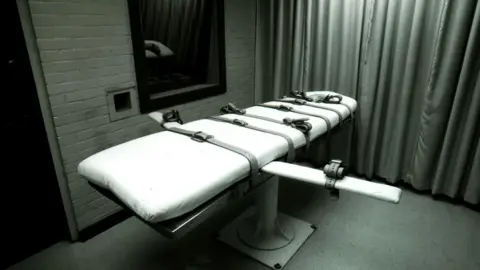
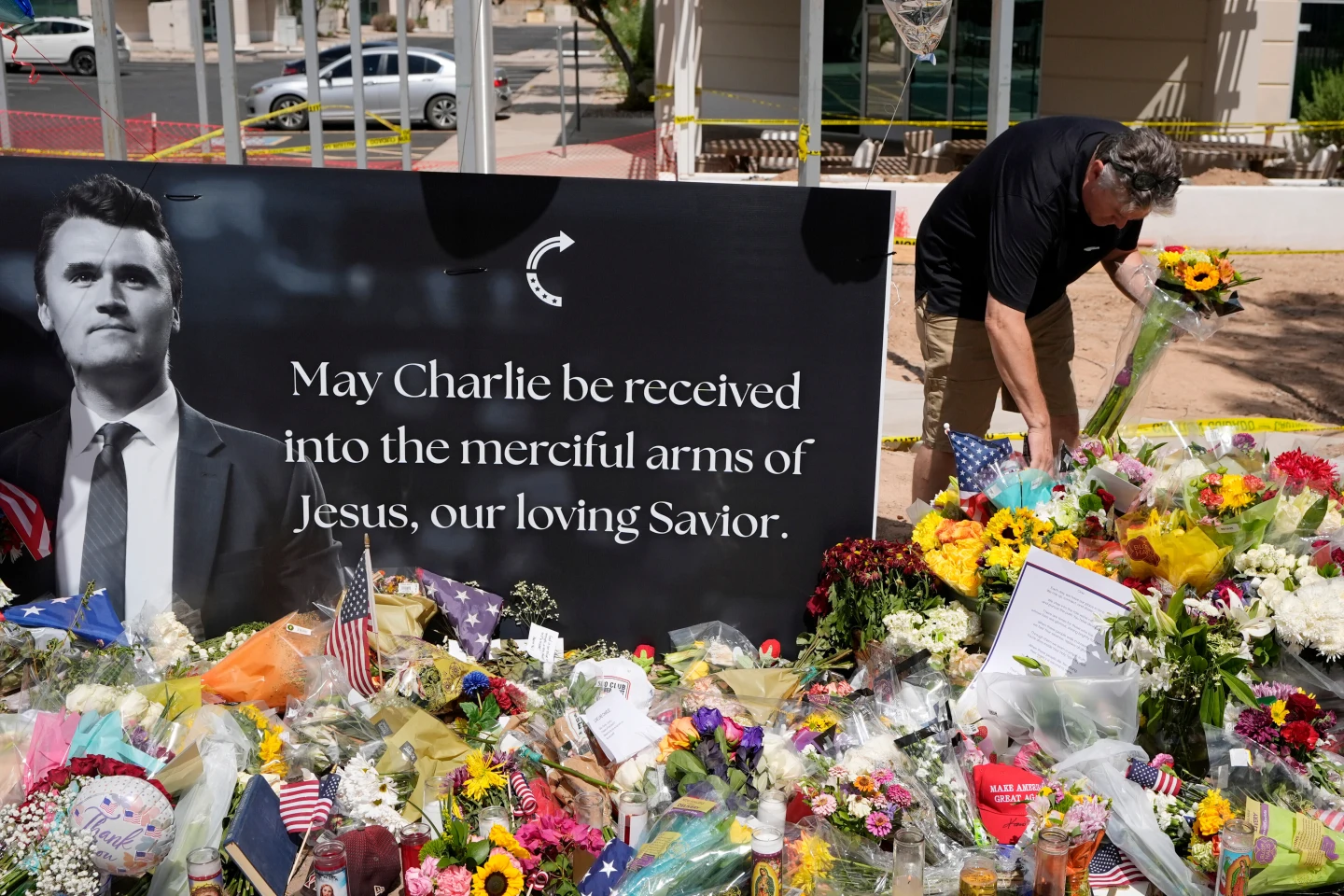
As the proceedings unfold, prosecutors are preparing to seek the death penalty if Robinson is convicted of the September 10 shooting incident while Kirk addressed an audience at Utah Valley University. The case has drawn substantial media attention, with some reports suggesting that the bullet that killed Kirk did not match the firearm linked to Robinson, further complicating the narrative and raising questions about potential exoneration.
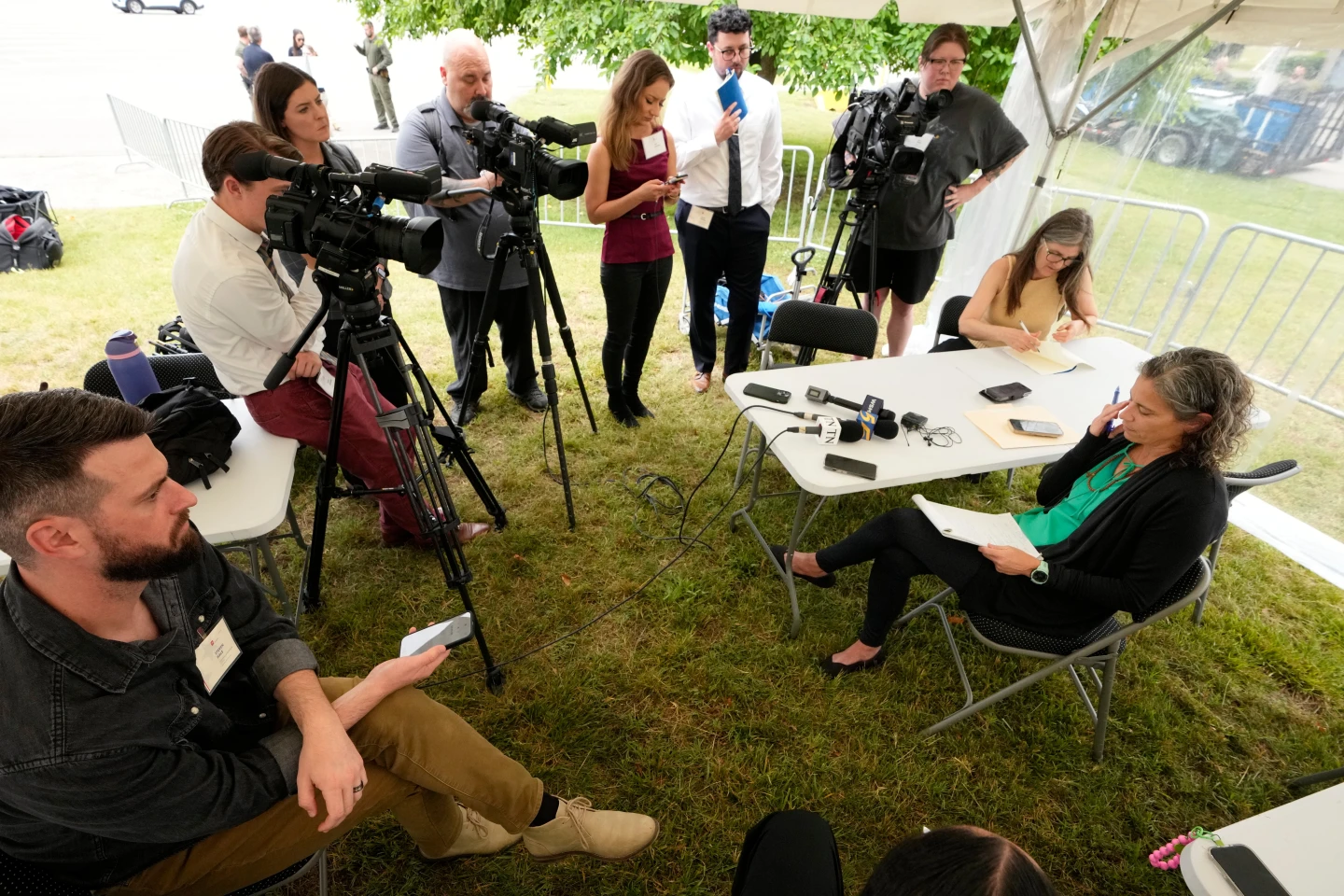
Media organizations, along with Kirk's widow, advocate for the continuing presence of cameras in the courtroom, arguing that transparency combats misinformation and promotes public trust in the judicial system. The court has grappled with ensuring courtroom decorum amidst the pervasive media focus, leading to an intricate balancing act between justice and public exposure.
As the case moves forward, the division over courtroom privacy versus media freedom remains a focal point of discussion, raising essential questions about ethical conduct within the legal framework.