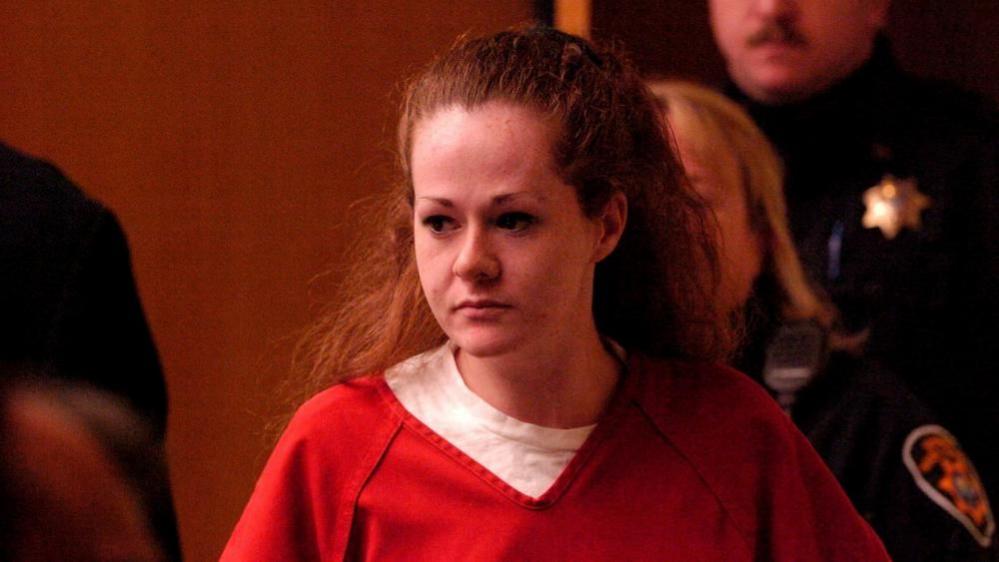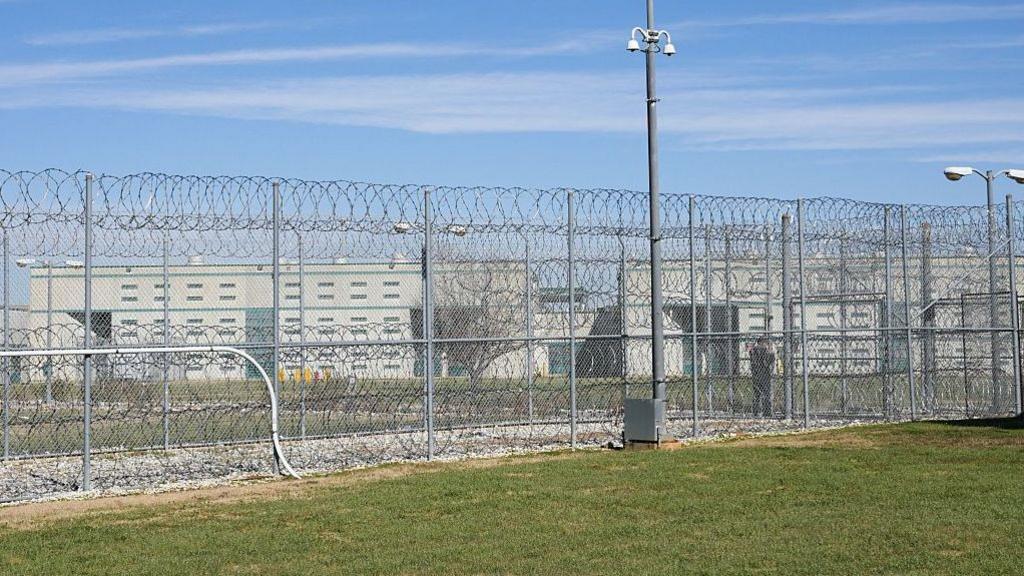
The state of Texas carried out a lethal injection on a death‑row inmate on Wednesday evening, marking the first execution in the United States since a botched attempt on Christa Pike a week earlier. The event was carried out at the Huntsville prison facility after a judge denied a stay requested by Howard’s lawyers. The inmate was pronounced dead at 20:03 local time.
Howard, 46, had been convicted for a 2000 robbery‑murder at a convenience store in Texas. His lawyers argued that the same drug—pentobarbital—used on Pike posed a risk of chemical degradation and raised concerns about the potential for a similar failure.
While the public debate focuses on legal and ethical dimensions, the execution also underlines the overlooked environmental costs of capital punishment. Prisons consume significant amounts of energy to maintain life support systems, heating, and lighting for inmates on day and death‑row. The lethal injection process requires specialized chemicals, syringes, and disposal protocols that generate hazardous waste. The storage and eventual incineration of such waste contribute to greenhouse gas emissions.
In an era where the justice system increasingly acknowledges climate responsibility, the execution raises a question: Should the energy usage and chemical emissions associated with death row procedures be factored into sustainability calculations for correctional facilities? Addressing this could push prison administrators to adopt greener fuel options, waste‑reduction protocols, and mindful chemical sourcing.
The incident also spotlights the broader conversation about the role of environmental policy in a climate‑forward future. As state governments continue to raise funds for infrastructure, incorporating sustainable practices into correctional facilities could help reduce operational costs and carbon footprints while maintaining public safety and security.