SAN FRANCISCO (AP) — President Trump was initially poised to deploy federal forces to San Francisco, a city he has criticized for its governance. However, after significant discussions with influential tech leaders, he opted to hold off on this decision.
During a press briefing, Trump referenced a conversation with business magnates like Jensen Huang, CEO of Nvidia, and Marc Benioff, CEO of Salesforce, who argued that local authorities were making strides in curbing crime. Trump stated, “We are holding off that surge... and we’re going to let them see if they can do it.”
The federal intervention was set for a weekend deployment. Trump did not specify if this would include National Guard troops or broader immigration enforcement measures. While protests occurred as federal agents arrived in the area, the president’s stance pivoted to allow local leadership the opportunity to manage ongoing crime challenges.
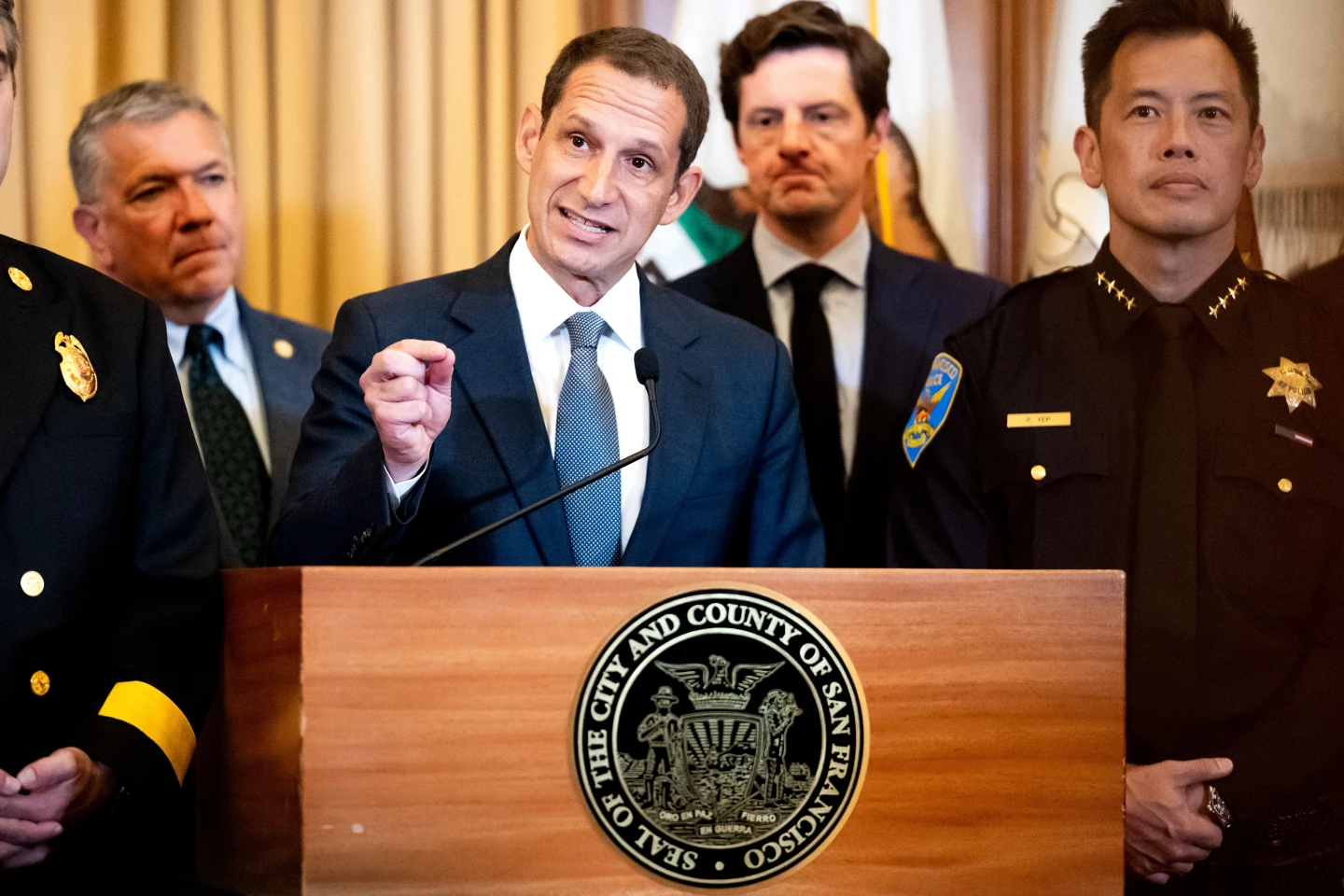
San Francisco’s Mayor, Daniel Lurie, has navigated a path of cooperation with Trump and did not confront him directly during his administration. Instead, Lurie has focused on local challenges, showcasing a decline in crime rates, with overall incidents down 26% from the previous year.
In response to his call with the President, Lurie remarked, “San Francisco is on the rise. Visitors are coming back, buildings are getting leased, and workers are returning to the office.” He emphasized a collaborative approach, welcoming partnerships with federal agencies to address drug-related issues, including the fentanyl crisis.
Despite the positive trends, some city officials remained skeptical about Trump’s reliability, expressing concerns over federal involvement in local affairs. Supervisor Connie Chan stated, “We cannot trust Trump” and called for caution in federal cooperation efforts.
Trump acknowledged receiving multiple calls from high-profile CEOs urging him to allow city leaders the space to work independently on crime reduction. Benioff of Salesforce previously suggested a temporary military presence but later recanted after public backlash.
This abrupt shift in strategy highlights not only the influence of tech leadership in political decisions but also the complexities of navigating crime and governance in urban areas.