In brief
US President Donald Trump's announcement of a 25% tariff on countries conducting trade with Iran may escalate tensions in global trade. The move is seen as a direct response to Iran's domestic unrest and threatens existing trade relationships, particularly with nations like China, which is Iran's largest trading partner. Analysts are concerned about the economic implications for both Iran, facing already dire financial challenges, and the US-China relations, amidst existing tariff disputes. The immediate effects and enforcement mechanisms of this tariff remain unclear.
US President Donald Trump has announced a hefty 25% tariff on countries that conduct business with Iran, coinciding with a crackdown on protests in the country. This move adds to existing tensions in international trade, particularly with China, which remains Iran's largest trading partner.
Trump's decree, issued on social media, states that any country trading with Iran will face this new tariff 'effective immediately.' No specific details on its implementation or the affected countries have been released, leaving analysts questioning its feasibility and scope.
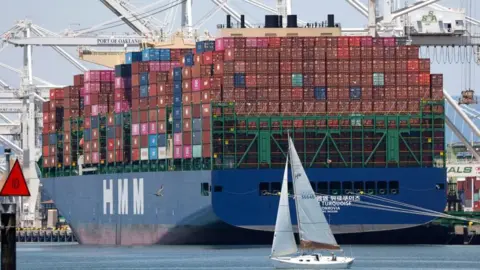
China tops the list of countries trading with Iran, with purchases exceeding $14 billion in the past year. Turkey and the UAE also participate significantly in trade with Iran. As Iran's economy struggles due to years of sanctions and mismanagement, further tariffs threaten to exacerbate the already precarious situation for its citizens.
The announcement may reignite tensions in US-China relations, as the latter has historically resisted what it perceives as aggressive US trade policies. Analysts express skepticism about the practical enforcement of the new tariffs, pointing to the potential backlash from major trading partners.
Amidst rising inflation and economic instability in Iran, the impact of these tariffs could push the nation's economy closer to collapse. With food prices soaring and basic necessities becoming scarce, the public's discontent is expected to escalate.