In brief
Air India has appointed Tewolde Gebremariam, a former CEO of Ethiopia’s largest carrier, as its new chief executive amid mounting financial losses and a recent fatal crash. The transition comes as the airline seeks to reverse a decade‑long decline, reinvigorate employee morale, and expand its fleet responsibly. Experts highlight Gebremariam’s track record of turning around Ethiopian Airlines amid the 2019 Boeing 737 Max tragedy and the COVID‑19 pandemic by pivoting to profitable cargo operations, a skill set that could be pivotal for Air India’s sustainability goals. The new CEO’s priorities include accelerating the adoption of sustainable aviation fuel, tightening emissions monitoring, and embedding a culture of safety and environmental stewardship across the fleet. As Air India faces a projected decade‑long turnaround, its leadership’s focus on green aviation could set a benchmark for the broader Indian aviation sector.
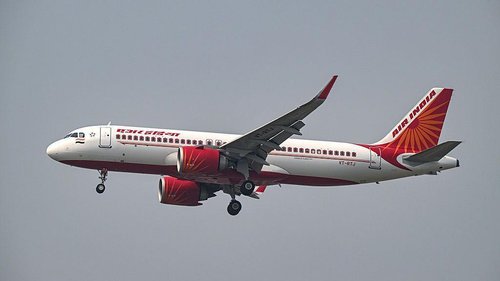
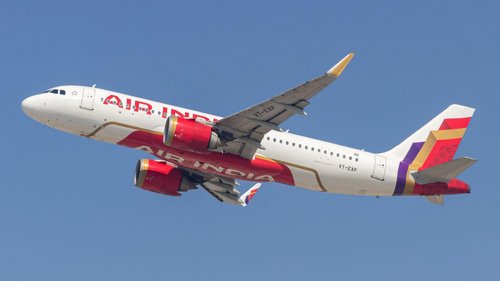
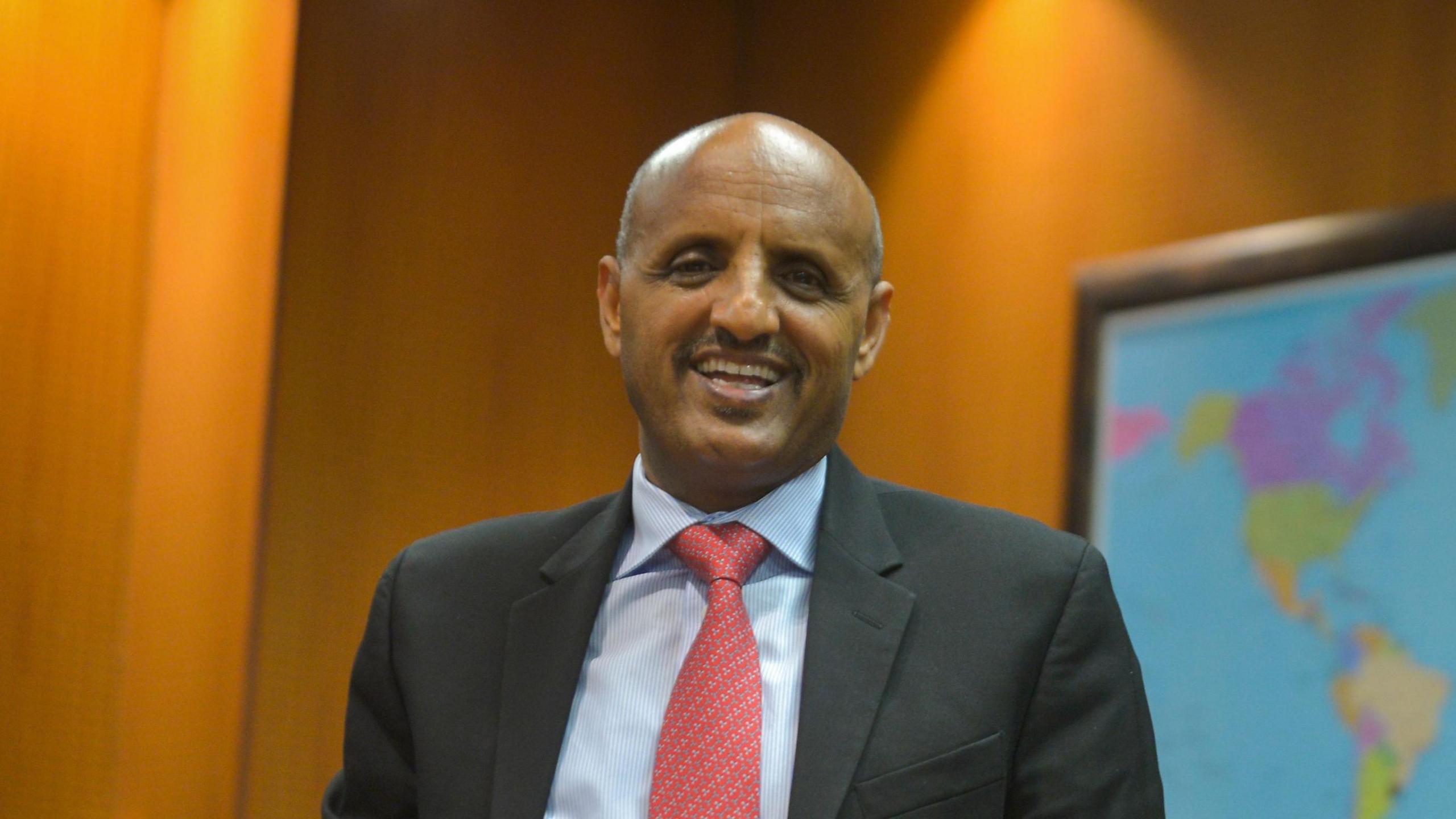
Air India has appointed former Ethiopian Airlines chief executive Tewolde Gebremariam as its new chief executive, a move that comes as the company grapples with heavy financial losses and the aftermath of last year’s fatal crash that killed 260 people.
In July 2026 the board said Gebremariam was chosen for his proven operational expertise and the ability to steer a carrier through crises. He takes over after Campbell Wilson’s departure, who had overseen a period of stabilisation and early fleet integration.
Sustainability at the Helm
The airline’s new CEO faces a daunting task: to combine safety remediation with a bold sustainability agenda. Experts note that Gebremariam’s past success at Ethiopian Airlines included expanding its cargo fleet during the pandemic and restoring profitability after the 2019 Boeing 737 Max crash. Those experiences have forged a leader adept at risk management and resilient growth, qualities essential for steering Air India towards a greener future.
Green Aviation Blueprint
- Adoption of sustainable aviation fuel (SAF): Air India will prioritize procurement of SAF for long‑haul routes to cut CO₂ emissions.
- Fleet optimisation: Updated aircraft technologies, such as winglets and lighter composites, will be added to improve fuel efficiency.
- Carbon offsetting: The airline will launch a net‑zero initiative that reinforces community carbon‑reduction projects.
- Safety & culture renewal: Enhanced safety training and transparent reporting will be integrated with environmental goals.
Employee Engagement and Resilience
Gebremariam is expected to rebuild workplace morale by recognising crew and engineer contributions, especially during past black‑swan events. This culture shift is a cornerstone of the airline’s new sustainability and safety strategy.
Air India is reportedly planning a ten‑year turnaround, with a focus on the next phase of growth and a commitment to modernising operations in line with its environmental targets. Exact dates for the handover remain to be announced by the board.
The aviation sector in India is already feeling pressure from rising fuel costs, geopolitical instability, and tighter regulatory scrutiny. Air India’s new CEO could become a pivotal figure in aligning profitability with the decarbonisation of air transport, proving that a national carrier can chart a sustainable future while safeguarding the livelihoods of thousands of employees.