In brief
The Air India Boeing 787 Dreamliner disaster over Ahmedabad, India, on 12 June 2025, remains under investigation as the Aircraft Accident Investigation Bureau (AAIB) moves into a key analysis stage. In a recent affidavit to the Supreme Court, AAIB outlined that 49 of the 66 mandated investigative steps had been completed, with a draft report slated for October. Preliminary findings pointed to sudden fuel‑control cut‑offs, but the definitive human‑factors analysis remains pending. The probe underscores both aviation safety and the environmental implications of such accidents, highlighting the crucial role of rigorous design and safety protocols in mitigating future risks.
The crash of an Air India Boeing 787 Dreamliner, which ripped through the skies just minutes after take‑off from Ahmedabad on 12 June 2025, is still being investigated by India’s Aircraft Accident Investigation Bureau (AAIB). According to a recent affidavit filed with the Supreme Court, the inquiry is now in its final analysis phase and a draft of the final report is expected by October.
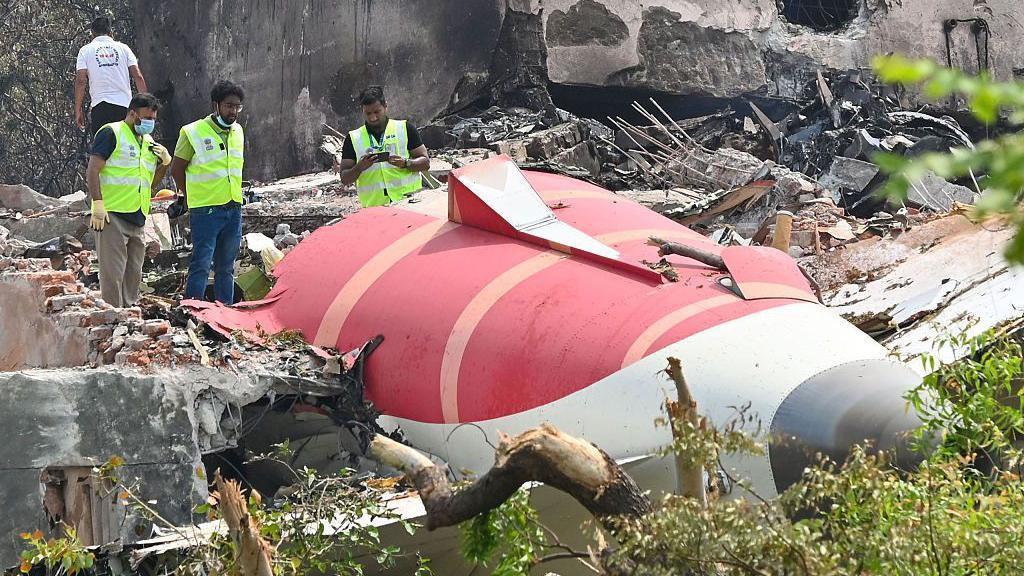
The accident, which claimed 260 lives – 241 passengers and crew, and 19 people on the ground – followed the aircraft’s sudden descent into a medical‑college building, setting the structure alight and triggering a massive explosion.
In the affidavit, AAIB confirmed that 49 of the 66 steps required for a thorough investigation have been completed. These steps include site inspection, wreckage analysis, flight‑data and cockpit‑voice recorder recovery, and review of crew training and medical records.
A significant element of the probe is the human‑factors assessment. The bureau performed a psychological autopsy of crew members, and a transcript of the recorded cockpit voice has been produced, although key details remain undisclosed.
The preliminary report, issued last July, noted that seconds after take‑off the fuel‑control switches moved abruptly to the cut‑off position, starving the engines of fuel and triggering a total power loss. The audio captures a pilot questioning the other, with the other responding that nothing had been done – but the report does not identify who spoke.
This ambiguity sparked debate about the pilots’ roles and drew criticism from media and professional groups. AAIB responded to a lawsuit request for an independent inquiry by stating that external speculation was hampering witness cooperation.
Beyond the human side, the accident has environmental ramifications. The rapid fire consumed building materials, resulting in significant particulate and toxic emissions, and the crash itself released a large volume of fuel into the surrounding area. It serves as a stark reminder that air‑traffic incidents can have immediate and long‑term environmental impact.
The final report, slated for October, is expected to provide a comprehensive assessment of all technical, operational, and environmental factors, underscoring the need for stringent safety protocols that protect both passengers and the planet.