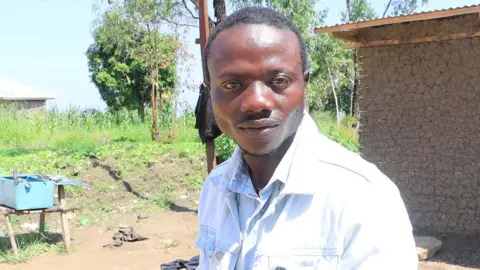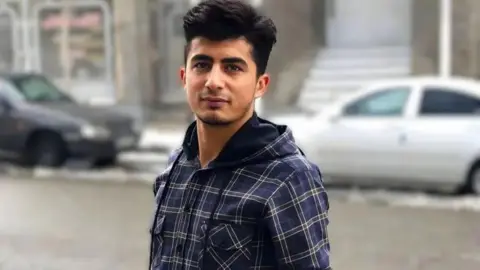
A man who escaped the last functioning hospital in the Sudanese city of el-Fasher before a reported massacre by paramilitary troops says he has lost all hope and happiness. I have lost my colleagues, Abdu-Rabbu Ahmed, a laboratory technician at the Saudi Maternity Hospital, told the BBC. I have lost the people whose faces I used to see smiling... It feels as if you lost a big part of your body or your soul.
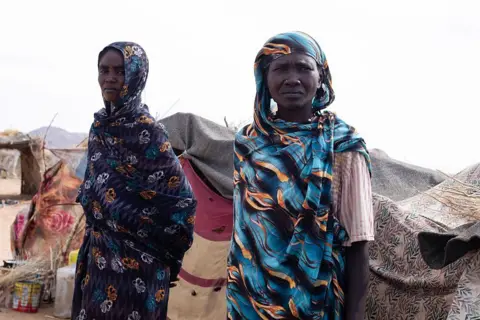
Speaking from a displaced persons camp in Tawila, approximately 70km (43 miles) west of el-Fasher, Ahmed recounted the horrific events leading up to his escape. In the last week of October, paramilitary Rapid Support Forces (RSF) launched an offensive after an 18-month siege of the city, culminating in a civil war sparked by a power struggle within the Sudanese military.
The alleged killings of at least 460 patients and their companions at the Saudi Hospital were among the most shocking in a series of reported atrocities, many of which have been captured on video and shared on social media.
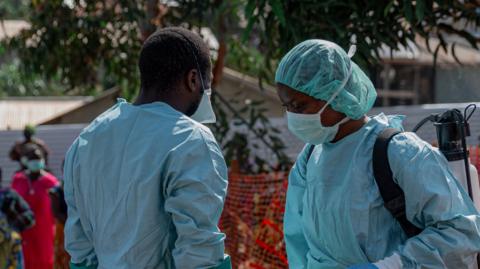
The World Health Organization (WHO) expressed horror at the reported shootings and the abduction of six health workers, underscoring the dire situation faced by medical personnel in the region.
The RSF has dismissed accusations of wrongdoing, claiming these are mere disinformation, arguing that all hospitals in el-Fasher had been abandoned while releasing videos showing volunteers within the hospital grounds caring for patients.
According to Ahmed, medical staff endured constant shelling and worked through extreme shortages of food and supplies amidst a tightening blockade from the RSF; many fled during the final assault. The shelling started around six in the morning... All civilians and soldiers headed out towards the southern side. There was a state of terror, drones were bombing us, and heavy artillery too - I saw many people die on the spot, he recounted. Additional reports from the ground recount the dehumanizing treatment towards injured civilians suspected of being soldiers, further illustrating the depths of the violence.
As international bodies and the media seek to uncover the true scale of the human rights abuses occurring in Sudan, Ahmed's story is a poignant reminder of the individual tragedies unfolding amidst the larger conflict. He now lives in constant fear for the fate of his colleagues and family that remain in el-Fasher, stating, I do not have any hope of returning to el-Fasher... after everything that happened and everything I saw.\
Speaking from a displaced persons camp in Tawila, approximately 70km (43 miles) west of el-Fasher, Ahmed recounted the horrific events leading up to his escape. In the last week of October, paramilitary Rapid Support Forces (RSF) launched an offensive after an 18-month siege of the city, culminating in a civil war sparked by a power struggle within the Sudanese military.
The alleged killings of at least 460 patients and their companions at the Saudi Hospital were among the most shocking in a series of reported atrocities, many of which have been captured on video and shared on social media.
The World Health Organization (WHO) expressed horror at the reported shootings and the abduction of six health workers, underscoring the dire situation faced by medical personnel in the region.
The RSF has dismissed accusations of wrongdoing, claiming these are mere disinformation, arguing that all hospitals in el-Fasher had been abandoned while releasing videos showing volunteers within the hospital grounds caring for patients.
According to Ahmed, medical staff endured constant shelling and worked through extreme shortages of food and supplies amidst a tightening blockade from the RSF; many fled during the final assault. The shelling started around six in the morning... All civilians and soldiers headed out towards the southern side. There was a state of terror, drones were bombing us, and heavy artillery too - I saw many people die on the spot, he recounted. Additional reports from the ground recount the dehumanizing treatment towards injured civilians suspected of being soldiers, further illustrating the depths of the violence.
As international bodies and the media seek to uncover the true scale of the human rights abuses occurring in Sudan, Ahmed's story is a poignant reminder of the individual tragedies unfolding amidst the larger conflict. He now lives in constant fear for the fate of his colleagues and family that remain in el-Fasher, stating, I do not have any hope of returning to el-Fasher... after everything that happened and everything I saw.\