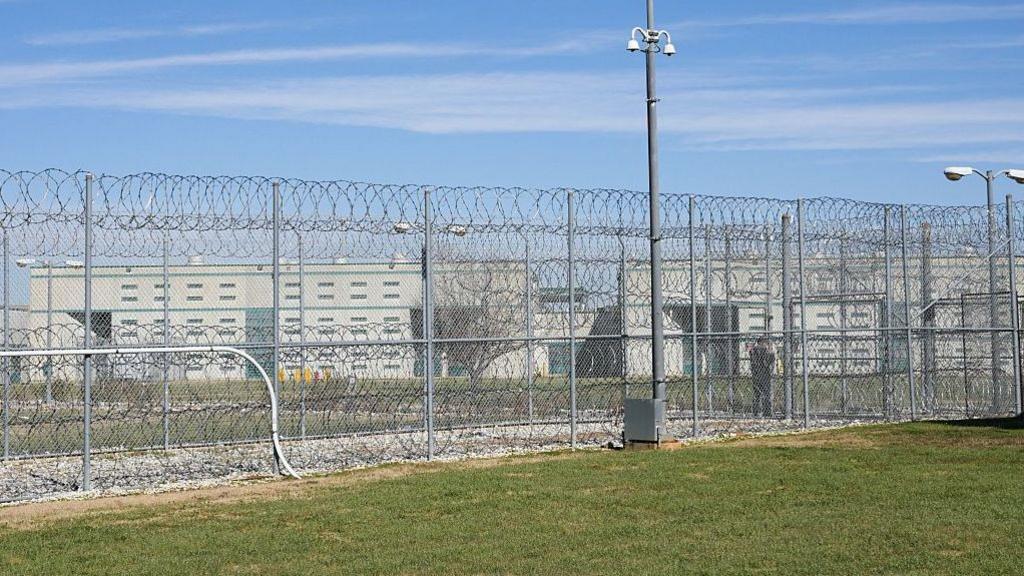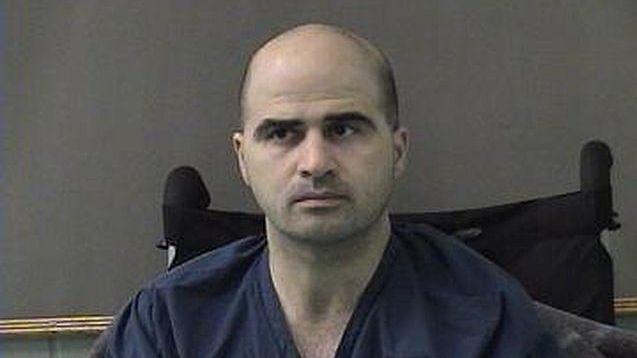
Christa Pike, 50, survived a botched execution in Tennessee after two lethal‑injection injections of pentobarbital left her critically injured but alive.
Pike received her death sentence in 1995 for the murder of 19‑year‑old Colleen Slemmer. On 30 September, officials attempted to carry out the final step of the sentence. The injection failed and Pike was rushed to hospital in a critically weakened state.
Lawyers describing her recovery as “remarkable” report that Pike can walk with assistance, has begun eating, and has regained some arm movement after the injuries sustained during the attempt. Physicians are encouraged by her physical progress, though she continues to cope with profound psychological trauma.
Pike is believed to be the only person to have survived a lethal‑injection execution attempt, putting the United States in uncharted territory regarding capital punishment protocols.
A judge has ordered that all evidence from the execution room—IV lines, syringes, waste packaging and documentation of Pike’s psychological state—be preserved, laying groundwork for potential future lawsuits against the state.
The Tennessee governor has halted all executions for the rest of the year, demanding answers about what went wrong. Pike’s lawyers are urging the state to downgrade her sentence to life imprisonment without parole, while opponents of the death penalty press for alternative methods.
The incident has reignited national debate on the human rights and procedural integrity of the death penalty, prompting lawmakers to re‑evaluate lethal‑injection protocols and consider systemic reforms.

In the broader context of justice and human rights, Pike’s case illustrates the urgent need for transparent, humane, and accountable practices in the criminal‑justice system. The debate continues as officials, activists, and the public grapple with the moral and operational dimensions of capital punishment.