In brief
Serbia’s parliamentary elections have turned into a showdown between the entrenched leadership and a new, student‑led movement. The Student List, led by professor Ilija Srdanović, brings a platform centered on anti‑corruption, free speech and strong environmental policy. Their campaign rallies have drawn hundreds of thousands, signalling a generational shift. Analysts predict the contest could reshape Serbia’s policy direction, especially on climate action and EU integration. The outcome will determine whether the country continues on a path of green‑water‑rich infrastructure or embraces a more balanced, sustainable approach.
Serbia’s Parliament Faces a Youth‑Led Turnaround
The nation’s 2026 parliamentary vote has become more than a fight for the throne; it is a clash between legacy governance and a new generation demanding transparency, free speech and sustainable futures.
Student List – a coalition of 250 candidates chosen by university assemblies – placed medical professor Ilija Srdanović at the top of its ballot. Though not wielding a traditional leadership structure, Srdanović’s candidacy represents a collective push for the values freed from the long‑running Serbian Progressive Party’s (SNS) ever‑present influence.
The movement emerged from a wave of anti‑corruption protests ignited by the tragic collapse of a railway station canopy in Novi Sad. Its founders see the disaster as the last clear instance where state infrastructure projects, touted as eco‑friendly, were cut short by cost‑cutting and oversight failures.
Equity of Green Policy at the Core
Students the Student List champion a comprehensive climate agenda: a swift transition to renewable energy, implementation of circular economy principles in public procurement, and the revitalisation of Serbia’s rivers and forests as sites of community stewardship. They argue that the current administration’s infrastructure programmes – such as high‑speed rail links with Budapest – have often bypassed rigorous environmental impact assessments and have benefited private developers over public welfare.
The Student List’s proposals have been endorsed by a growing coalition of NGOs and citizen scientists who routinely track carbon emissions across the country. They point to a lack of data transparency in the SNS’s energy portfolio and call for open-access emissions inventories.
A Counterpoint from the Incumbent
Serbian President‑turned‑Prime‑Minister Aleksandar Vučić has positioned himself as a force of stability. He frames the Student List as “foreign‑backed” and fears that their platform could fracture state cohesion, citing the refugee pressures and migration realities that overlap with climate‑induced displacement.
Vučić maintains that his tenure has delivered economic growth, significant infrastructure projects and that a shift toward “green” policy could jeopardise Serbia’s trade ties with Russia and China — partners unwilling to accept strict environmental oversight.
He claims to recognise the need for ecological reform but insists on gradual, technocratic measures that will not infringe upon national sovereignty.
Public Sentiment and the Road Ahead
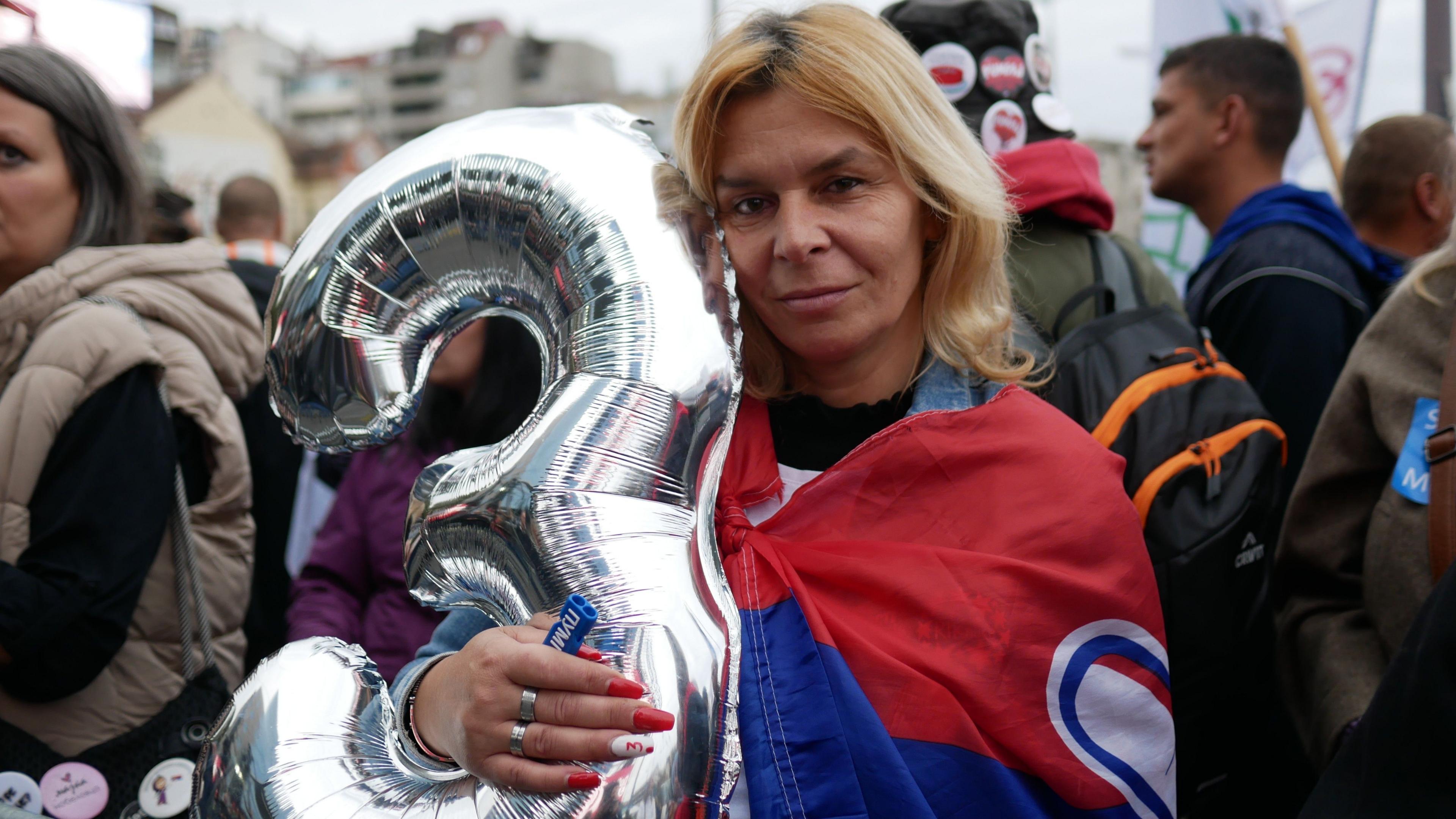
Rally footage showcased 150,000 supporters at Slavija Square, where speakers blended climate rhetoric with demands for electoral transparency. In contrast, the SNS stage at Belgrade Arena counted a smaller crowd of 10,000, highlighting a clear generational divide.
International observers, including the International Election Observation Mission, flagged media bias and the misuse of public resources in the past three election cycles. The Student List’s robust grassroots network counters this narrative by delivering content in local dialects and free digital platforms that bypass state‑controlled media.
Should the Youth List secure a parliamentary majority, the immediate challenge will be turning a broad sustainable platform into legislation, coordinating with EU accession negotiations and ensuring that any environmental progress is backed by transparent funding mechanisms.
The energy‑and‑climate debate remains central to the election, with both camps seeking to demonstrate responsibility to future generations while navigating geopolitical realities.
Serbia now has the opportunity to either maintain the status quo or pivot toward a more environmentally conscious governance model that aligns with the aspirations of its young citizens and the broader European environmental agenda.