In brief
In the aftermath of a deadly attack on Israeli soldiers near Hebron, authorities have begun demolishing Palestinian houses in the surrounding neighbourhoods. Prime Minister Netanyahu ordered the destruction of the area and warned of “extensive action” in the West Bank. While security and political tensions dominate the narrative, the demolition sparks serious environmental concerns: loss of terraced agriculture, increased construction waste, and dislocation of communities that rely on local ecosystems for food security. The United Nations reports 96 Palestinian deaths in the West Bank this year, amid clashes that further strain fragile desert landscapes. A call for cooperative, climate‑centric conflict resolution is growing louder among regional NGOs and citizen scientists seeking to protect the fragile ecosystem of the West Bank while addressing human security.
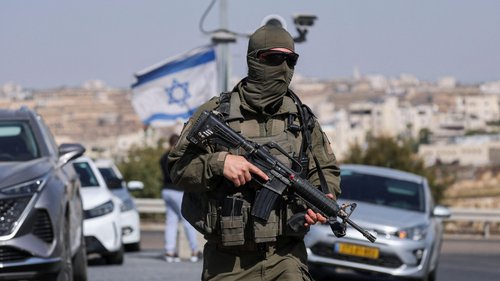
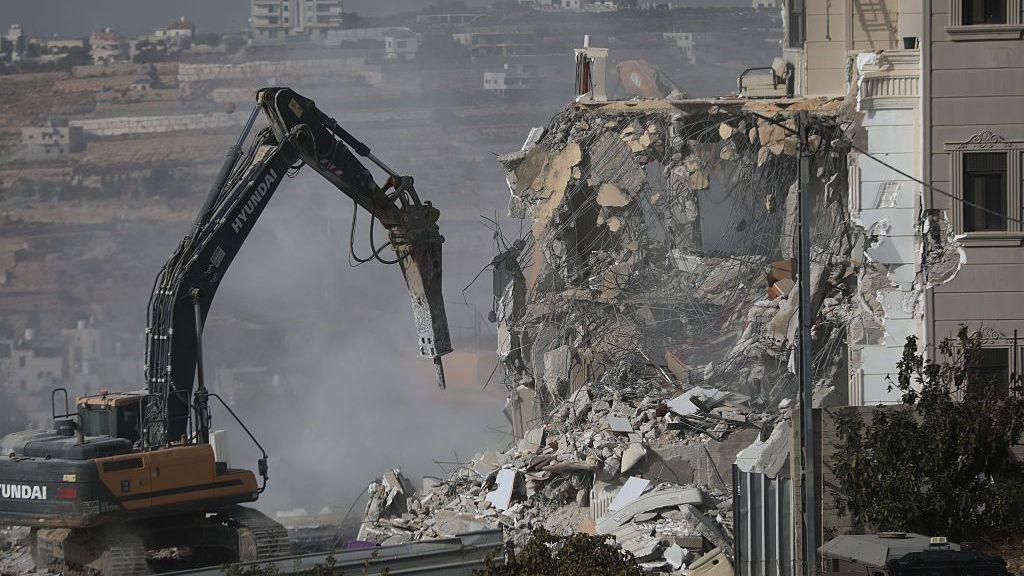
Following the death of two Israeli soldiers in an armed encounter just outside Hebron, Israeli forces have commenced demolition of what are described as Palestinian “familial” homes in the surrounding neighbourhoods. The operation is overseen by the IDF, and towers of bulldozers have been seen shattering stone‑bound terraces that have sustained families for generations.
Prime Minister Benjamin Netanyahu announced that the military would “destroy” the enclave from which the attackers emerged and hinted at “extensive action” across the occupied West Bank. The directive has sparked diplomatic alarm, but it also raises immediate ecological concerns: the loss of terraced farmlands that are key to local food security and carbon sequestration.
Collective punishment has long been condemned by Israeli civil‑society groups for its environmental and humanitarian repercussions. Demolitions not only displace residents but also generate vast quantities of rubble and dust, adding to the land‑use pressure that challenges the fragile, semi‑arid ecosystem of the region.
With the Israeli election approaching and tensions inflamed by settler activities during the olive harvest, the West Bank faces a fragile balance between security policies and ecological sustainability. New construction in the aftermath of demolitions will require additional water and energy, potentially accelerating resource depletion and greenhouse‑gas emissions.
The United Nations reports that 96 Palestinians have been killed in the West Bank this year, while Israeli casualties have risen sharply as well. Such violence disrupts agricultural cycles, hampers local climate resilience initiatives and forever alters the environmental fabric of the region.
Citizen scientists and eco‑activists argue that the solution lies not in further demolition but in inclusive dialogue that recognizes the interdependence between human security and ecological integrity. They call for cease‑fires, protection of historic terraces, and the promotion of shared green spaces that can serve both communities and the planet’s climate goals.