SpaceX Rocket Debris Strikes Moon, Raising Concerns Over Space Pollution
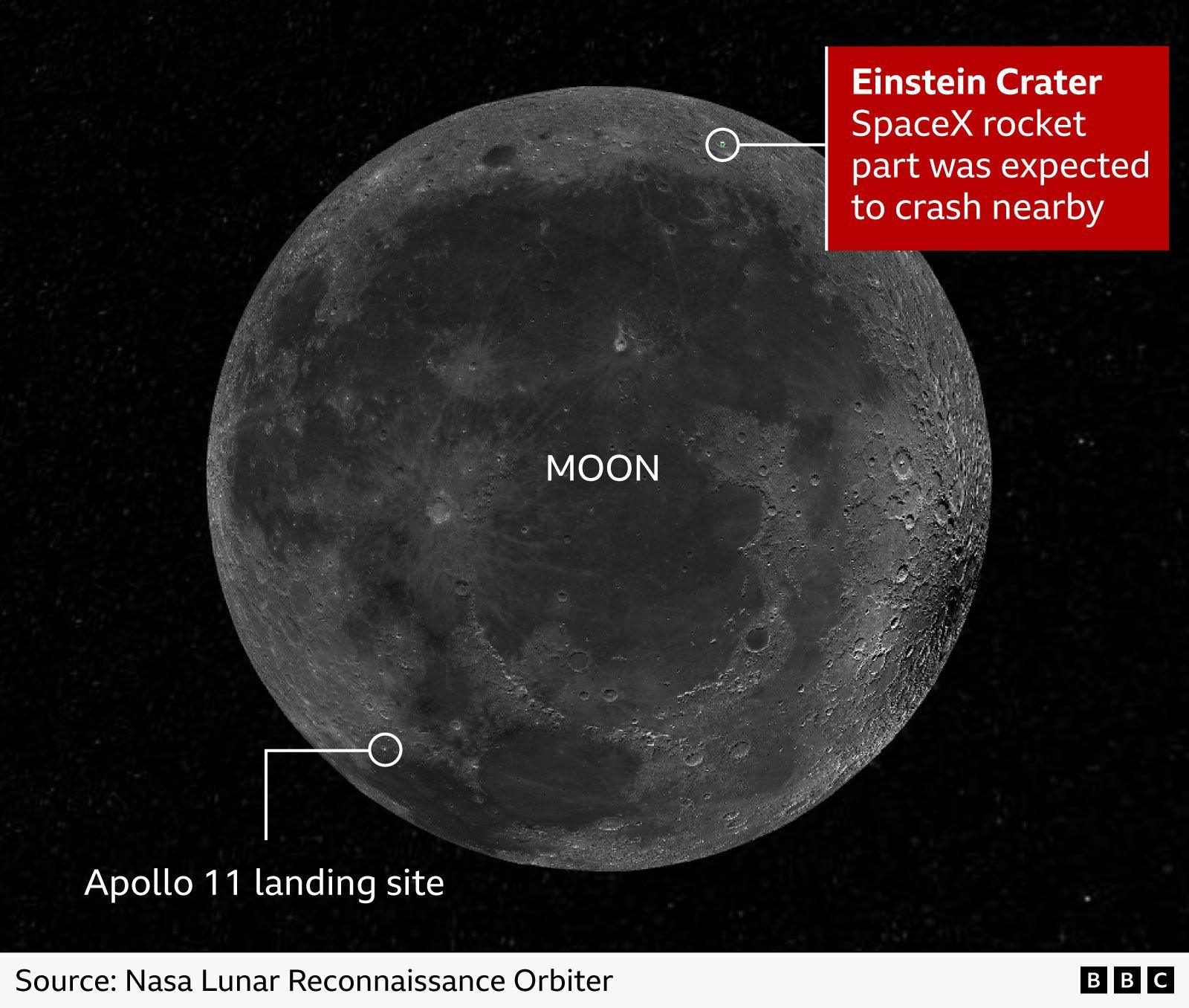
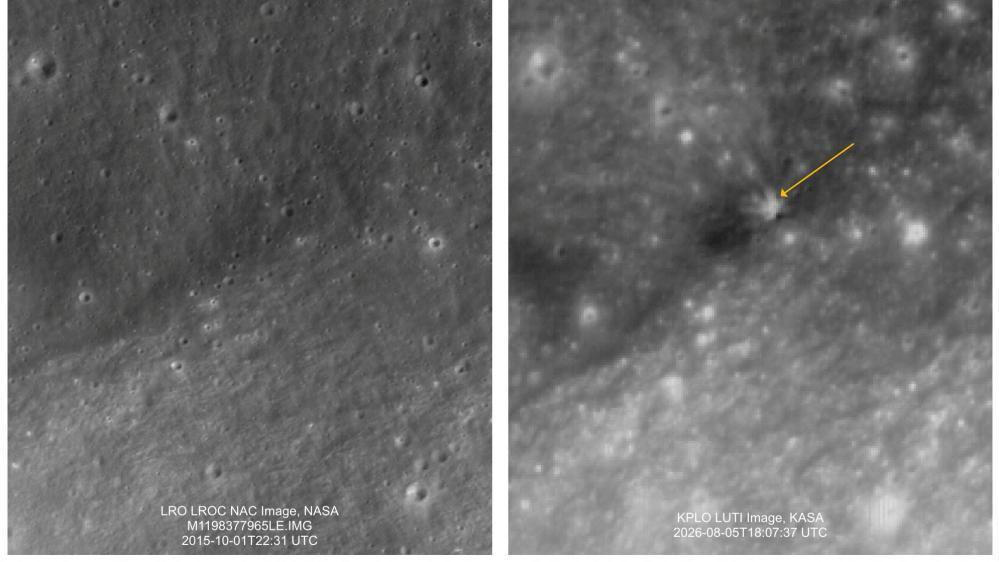
On 6 August at 06:35 GMT, a discarded upper‑stage of a SpaceX Falcon 9 rocket was seen by the South Korean AeroSpace Administration (KASA) strike the lunar surface, producing a sharp flash that even high‑end amateur telescopes could not detect.
The Impact and Its Immediate Aftermath
KASA’s Danubri orbiter captured images of the Moon both before and after the collision, offering a unique view of how a section of a commercial rocket altered the lunar terrain. Analysts say the impact speed was about 8,700 km h⁻¹, a velocity typical for upper stages that are intentionally directed toward extraterrestrial bodies.
Why It Matters for Sustainable Space Exploration
The debris is not simply a curiosity— it exemplifies a broader trend of increasing space debris, particularly from reusable launch vehicles that return their first stage to Earth but leave the upper stage to drift. SpaceX has stated the impact was not intentional, yet the event raises questions about how to handle surplus rocket parts in a way that does not clutter the space environment.
The upper stage, roughly the size of a five‑storey building and weighing around 4,000 kg on Earth, drifted into a looping orbit that gradually carried it toward the Moon. Over a span of 18 months, the combined pull of Earth, Moon, and Sun pushed the stage, turning it into a predictable, if unavoidable, collision course.
The Call for Responsible Debris Management
Cambridge astronomer Matt Bothwell cautions that “space is getting more and more crowded.” He warns that in a few decades the sheer volume of orbital debris could make it “hard to get past Earth’s orbit,” posing risks for future spacecraft missions and for new green infrastructure such as lunar‑based solar power plants.
Implementing Sustainability Measures in the Space Sector—to keep the Outer Solar System usable, experts stress the need for robust debris‑management protocols. These include defining safe disposal pathways for upper stages, designing reusable rockets so that all parts can cleanly re‑enter Earth’s atmosphere, and adopting international guidelines that prioritize orbital hygiene.
Looking Ahead
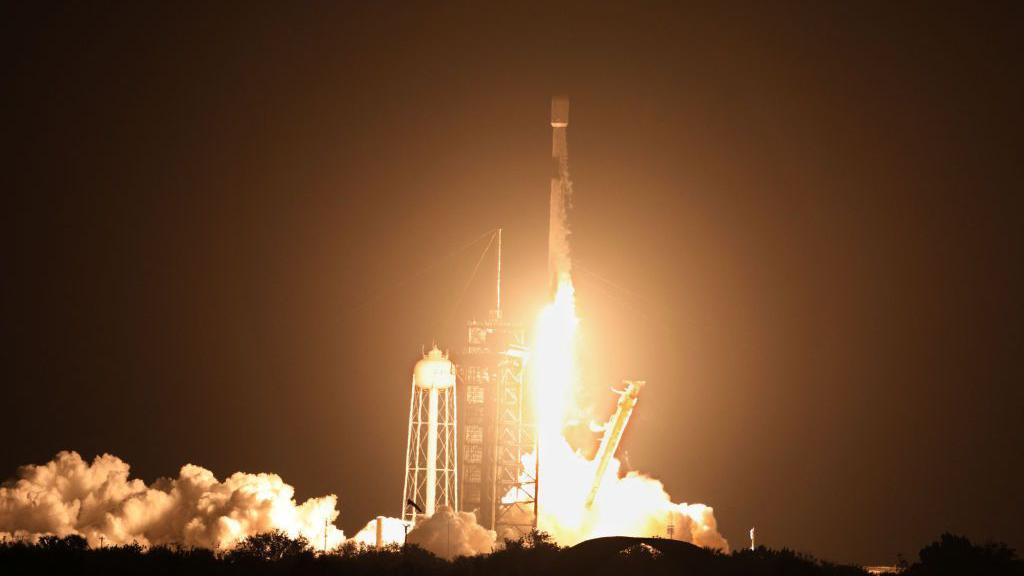
As SpaceX prepares its 18th Falcon 9 flight to launch 29 Starlink satellites, the organisation must balance commercial ambitions with environmental responsibility. The scientific community, policy makers, and the public will need to agree on standards that keep space ecosystems productive and accessible for future green technologies.