In brief
Shein’s debut on the Hong Kong Stock Exchange elevated its valuation to $26 bn, yet the listing also drew attention to the environmental and ethical costs of ultra‑fast fashion. The company’s rapid growth, powered by a vast Chinese factory network, has faced pressure from regulators over forced‑labour allegations and supply‑chain opacity. Trade changes such as the US de‑minimis exemption loss and EU low‑value import duties have added further headwinds, prompting calls for more transparent, low‑carbon logistics. Industry experts warn that sustaining cheap prices could drive higher costs and tighter regulatory focus, highlighting a crucial test for fast‑fashion’s future sustainability.
Fast‑Fashion’s Latest IPO Raises Sustainability Questions
Shein, the Chinese‑origin ultra‑fast‑fashion giant, topped the Hong Kong Stock Exchange on Monday, valuing the firm at about $26.2 bn – a figure that underscores both its meteoric rise and the growing scrutiny of its supply chain practices.
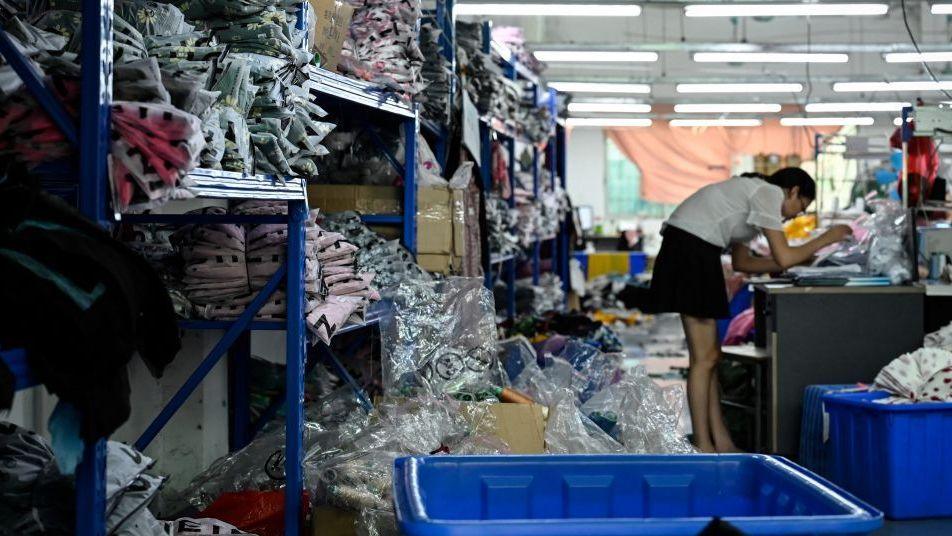
While the listing gave Shein its biggest public offering to date, it also highlighted the high speed and low cost at which the company produces and distributes garments. Its model relies on a sprawling network of factories in China that churn out new styles almost daily, a process that draws criticism for its environmental footprint – from energy use to textile waste – and for labour conditions.
Industry observers note that the company’s rapid expansion has coincided with increased regulatory pressure. U.S. authorities have examined allegations of forced labour, while European regulators have imposed a €3 tax on low‑value imports, effectively targeting the same stream of cheap, fast‑fashion parcels. The withdrawal of the U.S. de‑minimis rule last year added another layer of cost to Shein’s global supply chain.
Financially, the IPO saw the share price drop as much as 10% in the opening trade, but the day ended with a marginal decline of 0.12%, a blur for an otherwise sweeping valuation. The company secured $1.7 bn in capital, a modest spread given the backdrop of a $99 m quarterly loss it reported in July following the removal of duty exemptions.
For consumers, the volatility signals a potential shift in pricing dynamics. Experts argue that if the company’s cost base rises – whether from higher labour costs, tighter tariffs or increased environmental compliance – retail prices may climb, affecting the affordable fashion market that attracts millions.
Comments from Shein’s chief financial officer underscored a broader industry ambition: the firm brings its “rapid‑payment, massive‑order” model to 160 markets worldwide. Yet, amid growing demands for transparency, the company faces pressure to prove its supply chain’s environmental credentials and social responsibility.
This IPO marks the largest new share sale in Hong Kong this year and serves as a litmus test for investors, regulators and consumers alike about how the fast‑fashion sector can reconcile rapid growth with sustainable, responsible practices.