In brief
When 33‑year‑old Manasse Lomachar sold a tiny golden nugget for Ksh 36,000, it sparked a surge of 10,000 prospectors flocking to Cheporor. The sudden influx left the community with frantic scrambling pits, makeshift camps and a lack of basic services. While the gold offers a chance to lift families out of poverty, it also threatens local health, safety and children’s schooling. Officials urge organised, safer mining with government support for metal detectors and infrastructure, aiming to transform the small find into a sustainable development opportunity.
5 hours ago - Gold Rush Reimagined: A Kenyan Goat Herding Village Sparks Community Resilience
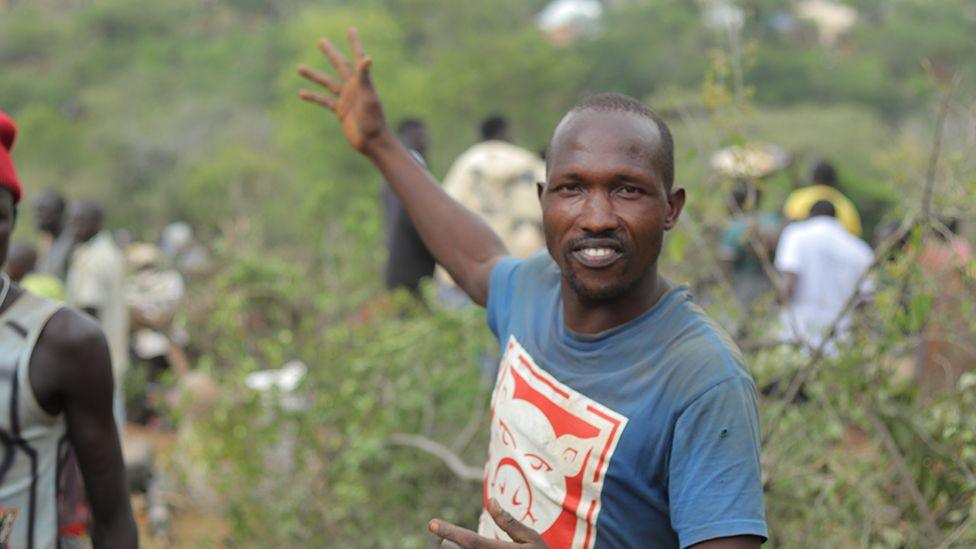
In the remote western Kenyan village of Cheporor, a 33‑year‑old goat herder named Manasse Lomachar whispered to the BBC that a tiny “gold nugget” from a patch of grazing land set off a wave of hope. After selling the mere 3‑gram find for Ksh 36,000 (about $280), villagers—and neighbours from across the Ugandan border—spattered into the region with hopes of striking it rich. Statistics from local authorities say that at one point a horde of roughly 10,000 prospectors had swarmed the area, carving pits, piles of earth and hastily‑erected mining camps into the once‑pale landscape.
Few people have found gold in this region, and the deposit’s true size remains uncertain. Nevertheless, the excitement does not dissipate: older traders report that the first large discovery was followed by enough secondary finds to keep the hype alive. The biggest single find earlier this month was estimated at Ksh 78,000 (around $600). Whether these are real gold or over‑stated claims is still a matter for experts, but the social impact is tangible. Families that depend on erratic farm incomes now see a new source of potentially hard‑earned money.
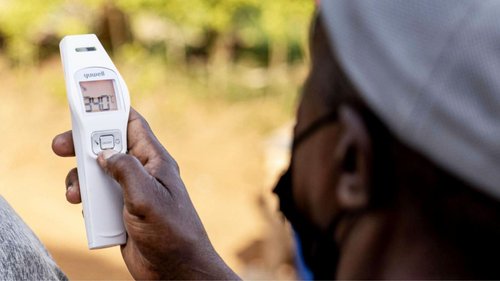
The boom, however, has exposed a deep lack of infrastructure. “We are in the middle of a mountain forest, and there is no piped water,” said Irene Ameja, a local businesswoman who moved from Baringo to supply the sudden crowd with food and beverages. Women who perform the most intense searching often lack safe sleep arrangements. The Kenyan government has therefore increased security patrols, funneled medical teams to monitor disease risks and put in place stop‑gap measures to keep children out of the camps as the school year looms.
Lomachar, meanwhile, calls for a shift from chaotic panning to organised mining. “If the government can supply metal detectors and surveys to map out the minerals, we can take what’s there responsibly and channel it to development,” he says. He highlights the scarcity of proper housing—most homes are bare, thatch‑roofed dwellings—reminding officials that an unregulated gold rush may not bring long‑term wealth but can spur the foundations for a healthier, more sustainable future.
You may also be interested in: Gold fever hits South Africa after lucky find in cattle pen, Two teenagers went to seek gold. They were buried alive in a mine collapse, and Kenya discovers first coltan deposits – minister.