In brief
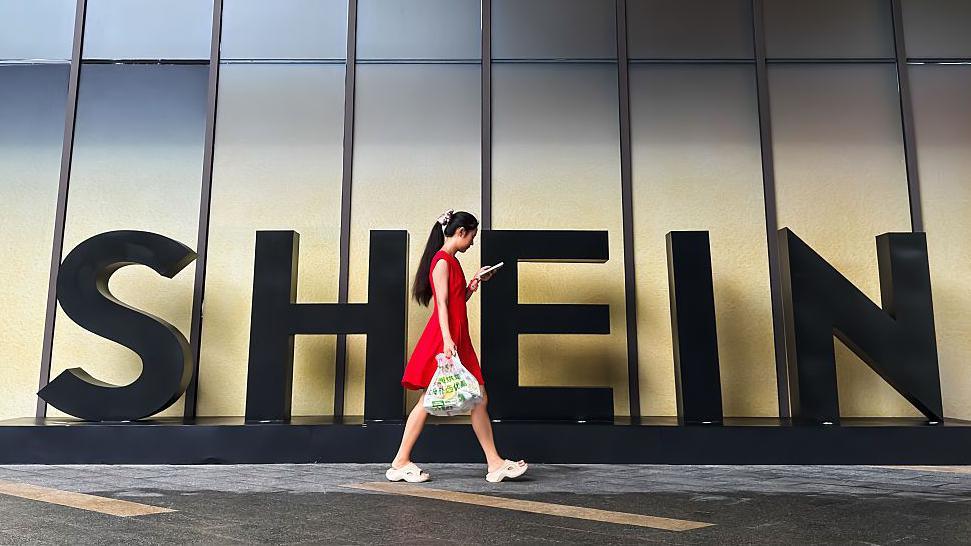
Shein plans to raise up to HK13.86bn with almost 280 million shares in its Hong Kong IPO, valuing the company near $27bn. The move follows failed US and London listings and highlights tighter scrutiny of the brand’s supply chain, forced labour allegations and environmental footprint. Even as the company reports a quarterly loss amid tariff uncertainties, its rapid growth underscores the urgent need for sustainable industry reforms.
Shein plans to raise up to HK13.86bn (about $1.77bn) by offering nearly 280 million shares in its Hong Kong IPO on 1 September. The valuation sits at almost $27bn, a sharp drop from the $100bn figure cited during a 2022 private‑fundraising round. Lower growth numbers and higher operating costs are driving the curation of this target, while regulatory hurdles stalled initial plans for listings in the US and London.
Fast‑fashion’s growth has, however, come under sharp scrutiny. The company’s supply chain spans a vast network of factories in China that churn cheap, trend‑driven garments daily, feeding demand across more than 150 countries. While Shein claims a zero‑tolerance policy for forced labour, the brand is still criticised for its carbon emissions, textile waste, and the environmental toll of rapid product turnover.
The IPO is backed by heavyweight Wall Street banks, yet the brand faces a wider reckoning: global supply‑chain transparency, labour rights enforcement, and the shift toward more sustainable fabric sourcing. Investors will now weigh Shein’s sizeable market reach against the urgent need to curb the fashion industry’s contribution to climate change.
Shein’s action on the Hong Kong market will likely set a precedent for other fast‑fashion firms evaluating whether growth can coexist with greater sustainability. As governments tighten regulations over carbon footprints and supply‑chain ethics, brands that fail to adapt may find their valuations spinning in new directions.