In brief
The UK’s nationalisation of the loss‑making British Steel has spurred a sharp response from China, which says the decision infringes on its investment rights and threatens trust between Beijing and London. The government claims the move protects jobs and a vital national capability, but critics point to the steelworks’ high carbon emissions and the UK’s broader decarbonisation goals. China’s protest comes as the UK weighs the cost of keeping the blast furnace online against its long‑term shift to low‑carbon electric arc furnaces (EAFs). The dispute also sits atop a fragile China‑UK investment relationship, with implications for future trade and sustainability commitments. As a new Prime Minister prepares to take office, the stakes for Britain’s steel industry and coal‑power battle for cleaner production remain high.
China has accused the UK government of “firmly opposing” and of being “strongly dissatisfied” with the decision to nationalise British Steel, arguing the move infringes on the legitimate rights of China’s Jingye Group.
Nationalisation amid a high‑carbon debate
The British government defended the nationalisation as a safeguard for jobs and a vital national capability, noting the company’s loss‑making status but highlighting the importance of maintaining steel output for Network Rail and the construction sector.
Legal and trade implications
Beijing’s Commerce Ministry said the takeover “seriously infringed upon Jingye’s legitimate rights” and threatened confidence in Chinese investment in the UK, calling for Britain to honour its obligations under the 1986 China‑UK Bilateral Investment Treaty.
Impact on UK’s decarbonisation strategy
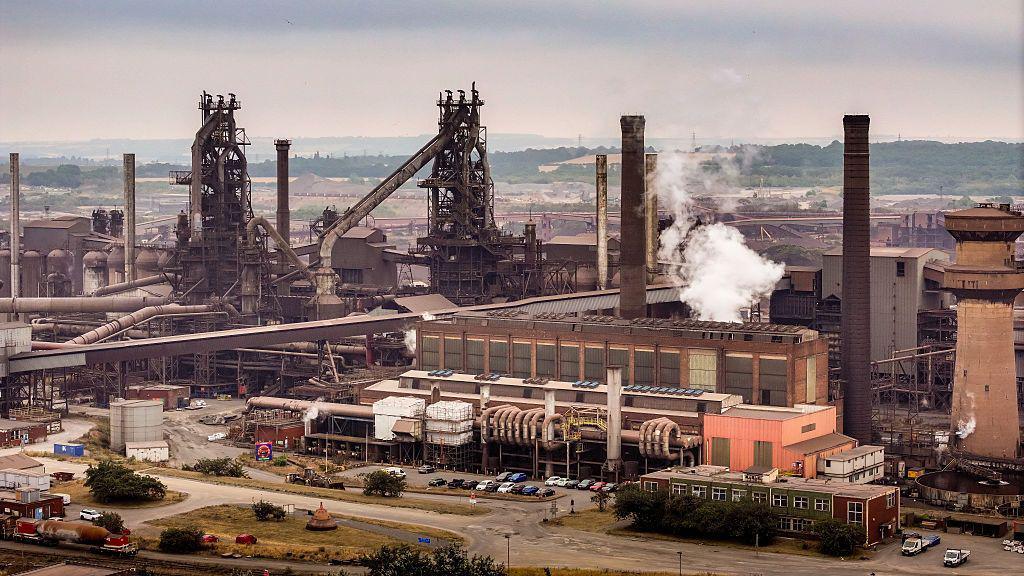
The Scunthorpe plant operates a blast furnace with high carbon emissions, whereas the UK’s long‑term plan is to shift to low‑carbon electric arc furnaces (EAFs). Keeping the blast furnace online costs the government more than a million pounds a day, yet it may be deemed essential to avoid a sudden reliance on imported steel.
Future of steel production
The nationalised plant remains a key source of types of steel that are not yet produced elsewhere in the UK, and its shutdown could undermine supply chains. With a new Prime Minister set to take office, the UK must balance economic, geopolitical, and environmental priorities as it navigates the transition to cleaner steel production.