Ships Take a U‑Turn, Climate Effects Loom
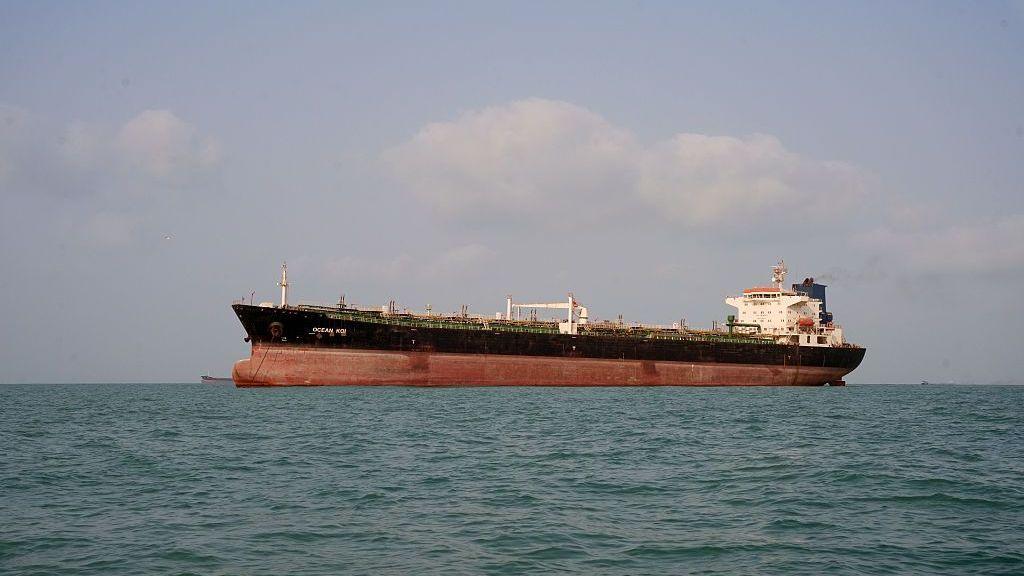
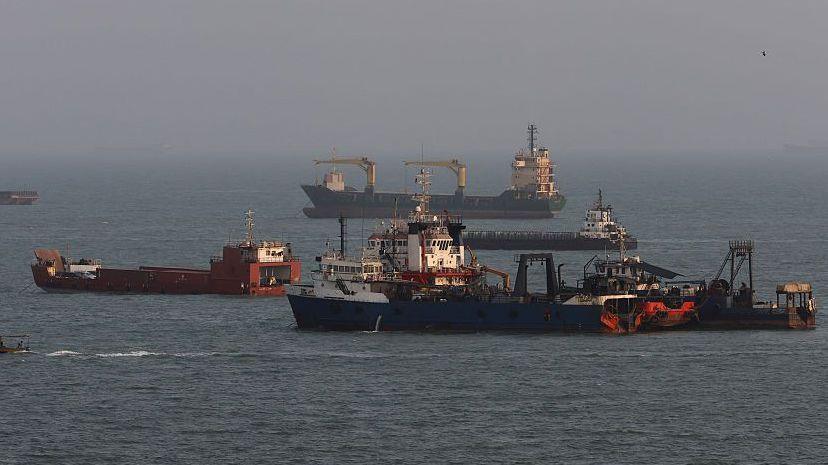
When the Iran‑linked Houthi group declared a maritime embargo against Saudi ports on 20 July, at least seven oil tankers changed course almost overnight. All the vessels were bound either to or from Saudi Arabia and made sharp reversals that sent them the long way around the Red Sea’s choke points.
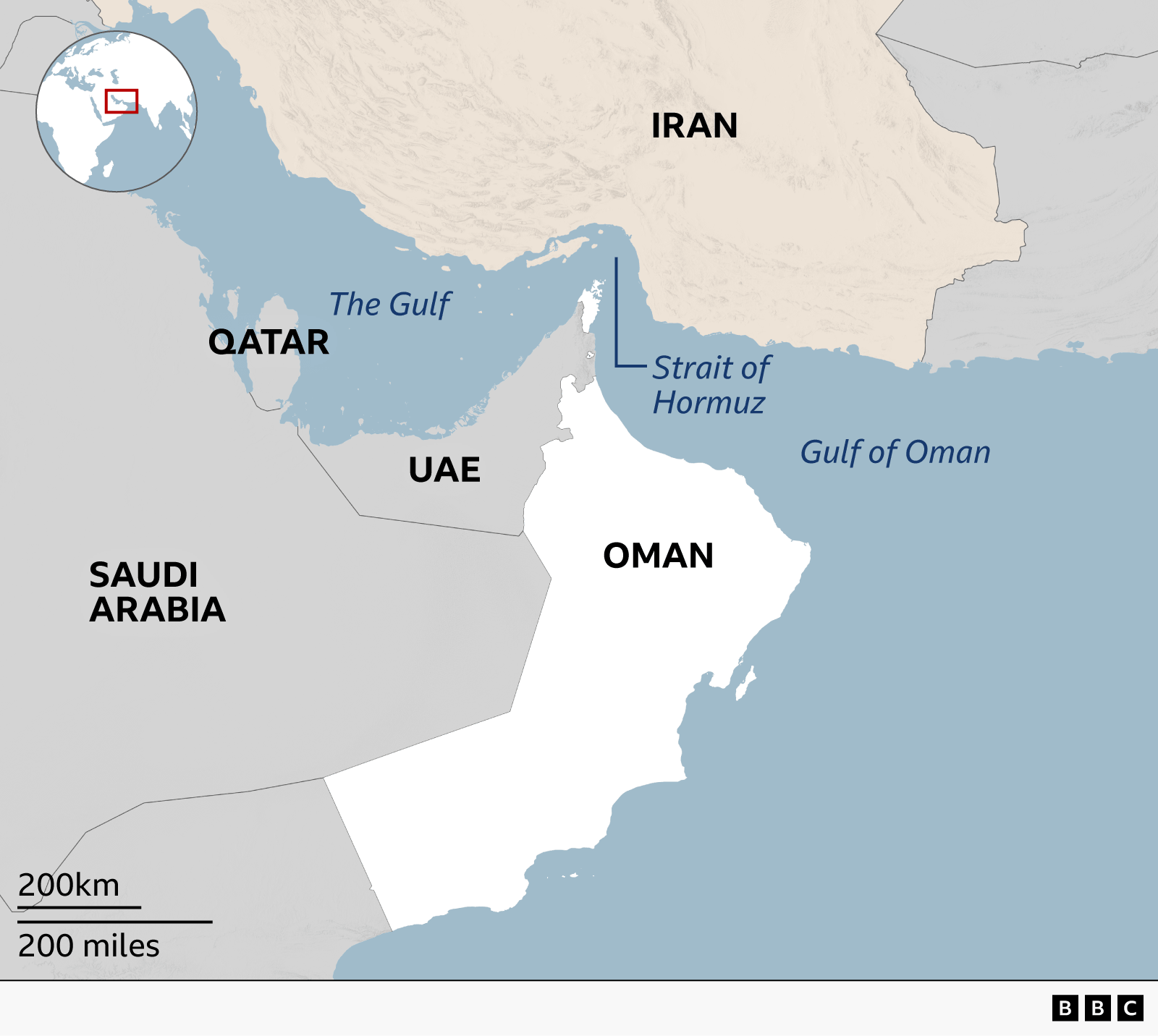
Why it matters for the planet – The Red Sea handles roughly 15 % of world sea trade, running between the Mediterranean, Gulf of Aden, and the Gulf of Oman. A temporary blockade can push ships onto the longer Mediterranean loop or the Cape of Good Hope, raising CO₂ emissions, fuel use, and freight rates. Those larger shifts threaten not just supply chains but also the climate budgets that the world is trying to honour.
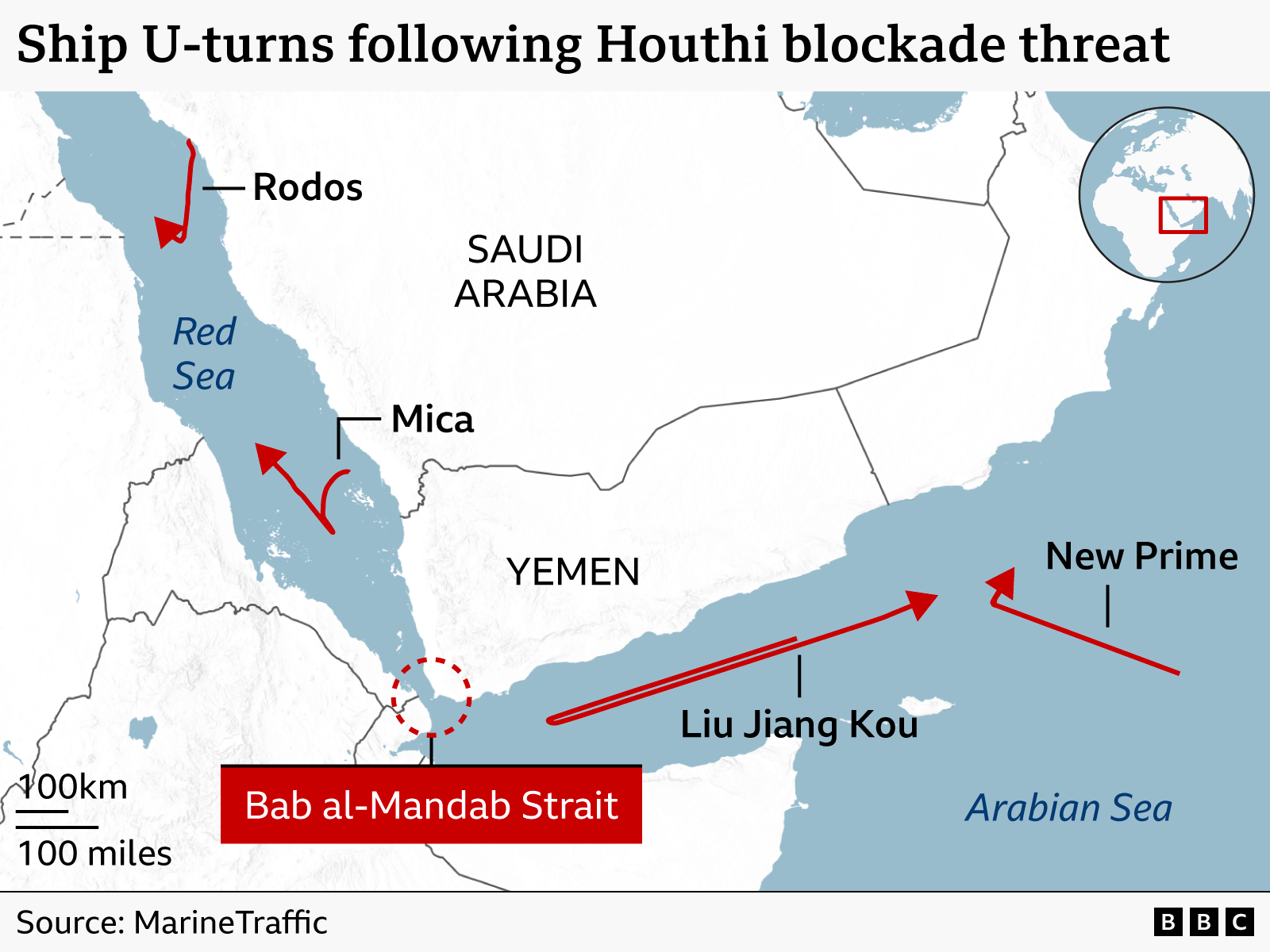
Alternative routes inflate emissions – A senior oil analyst from Kpler warned that if the Bab al‑Mandab Strait were effectively shut, oil would need to move through the Mediterranean and around Africa to reach Asia, increasing transit time by weeks and blowing up energy costs. “We could weather it for two weeks, but even then we’d see higher freight rates and higher energy prices,” said Das.
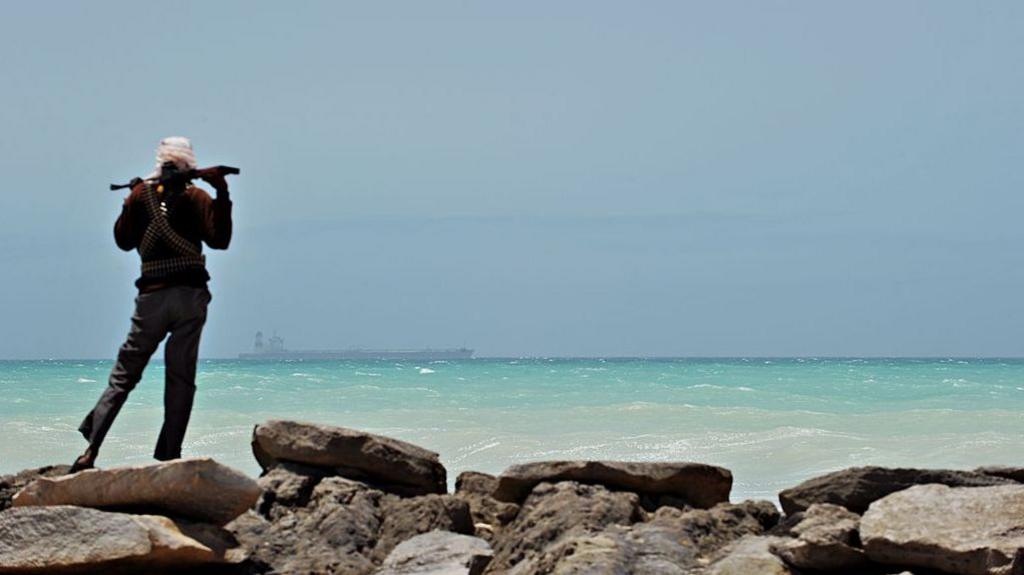
Risk from human‑made threats and climate anxiety – Houthi attacks on merchant vessels have already killed nine crew members and sunk four ships. In the heat of conflict, the risk of under‑powered or poorly ventilated vessels rises, and this could worsen the environmental impact if a crash or spill occurs. Because the region is already vulnerable to climatic extremes – wandering dust storms, rising sea temperatures and the threat of wildfire in the Arabian Desert – any additional maritime incident could trigger a cascading environmental disaster.
What the industry can do – Shipping companies are urged to explore green alternatives such as LNG‑powered vessels, electric propulsion, and more efficient routing algorithms that could dampen both emissions and the risk exposure. The European Union’s Aspides naval force has advised that vessels linked to Israeli, US or Saudi interests avoid the Red Sea until threat levels decline, a move that may be less costly and more environmentally sound if it reduces potential conflicts.
In a world pushing toward net‑zero, the way we navigate geopolitical turbulence matters as much as how we move cargo. The Houthi blockade not only threatens to “shut down a key maritime corridor” but also forces nations to ask: can we keep our trade arteries clear while staying true to environmental commitments? The answer will shape the future of both waterborne commerce and climate security.