More than 500 Rohingyas vanished at sea – what happened?
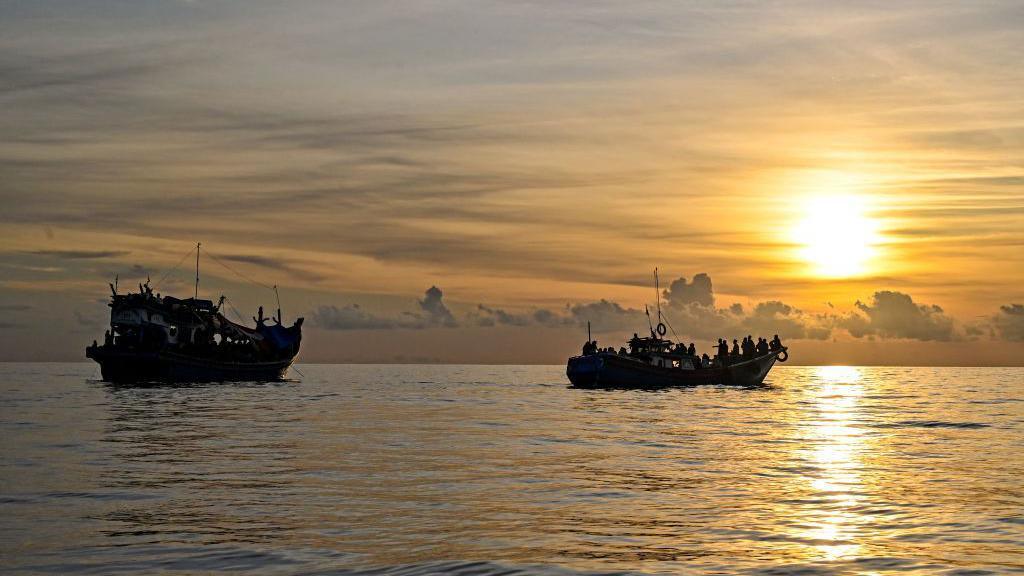
On June 29, the sea of the western coast of Myanmar swallowed two overloaded fishing trawlers that carried a staggering 530 Rohingya refugees. No distress signal ever reached shore, and the vessels never re‑emerged.
The fragile boats, originally fishing vessels transformed into makeshift ferries, were not equipped for the monsoon swell that rolled through the Bay of Bengal. With unreliable engines and over‑filled decks, the sea broke them apart and the passengers likely sank together.
Rakhine state is a frayed theatre of war. The Myanmar military’s retreat and the Arakan Army’s advances have left the region in chaos, cutting telecommunication lines and amplifying fears of forced conscription. In this environment, many Rohingyas look to escape to safer lands, primarily Malaysia and Indonesia.
Smugglers exploit the gaps left by tightening land corridors. Large “mother” ships pick up refugees off the coast of Myanmar or the Bangladesh border, ferry them to hidden harbours in southern Thailand or eastern Sumatra and then move them clandestinely to Malaysia. When authorities intercept these boats, traffickers quickly abandon the cargo, pushing them back into open seas where the peril remains.
Fed up with the delays and services that still strip them of resources, the Rohingyas increasingly rely on dangerous sea routes. Local fishermen, in many cases, fight for a fee that keeps them in the trafficking web, while the smugglers arrange satellite communications and secure beach jetties for short stints.
The loss of more than 500 lives is a grim reminder that the international community still fails to secure safe passage for displaced Rohingyas. Calls from the United Nations and humanitarian organisations to create protected, monitored routes have yet to translate into action, keeping refugees trapped in a perilous daily cycle of hope and tragedy.