In brief
When a 7.4‑meter quake rocked western Colombia, a 32‑year‑old woman was rescued after 36 hours trapped beneath a collapsed building. The 10‑hour rescue, led by local firefighters and national police, required tunnelling beneath four concrete slabs to give her oxygen and free her. With 188 casualties nationwide, the event underscores the urgent need for climate‑resilient construction and rapid emergency response systems in quake‑prone areas. Government officials praised the rescue as a beacon of hope, while the incident prompts a re‑examination of building codes, community preparedness and sustainable infrastructure. The story serves as a reminder that climate realities demand stronger, more resilient built environments.
When the Ground Shook, Hope Stayed Alive
On Monday morning, a 7.4‑meter quake rattled western Colombia, toppling buildings and turning streets into rubble. Among the dozens of survivors emerging from the wreckage is Daniela Largo, a 32‑year‑old who had been buried beneath a collapsed structure in Pereira for 36 hours.
From Darkness to Light
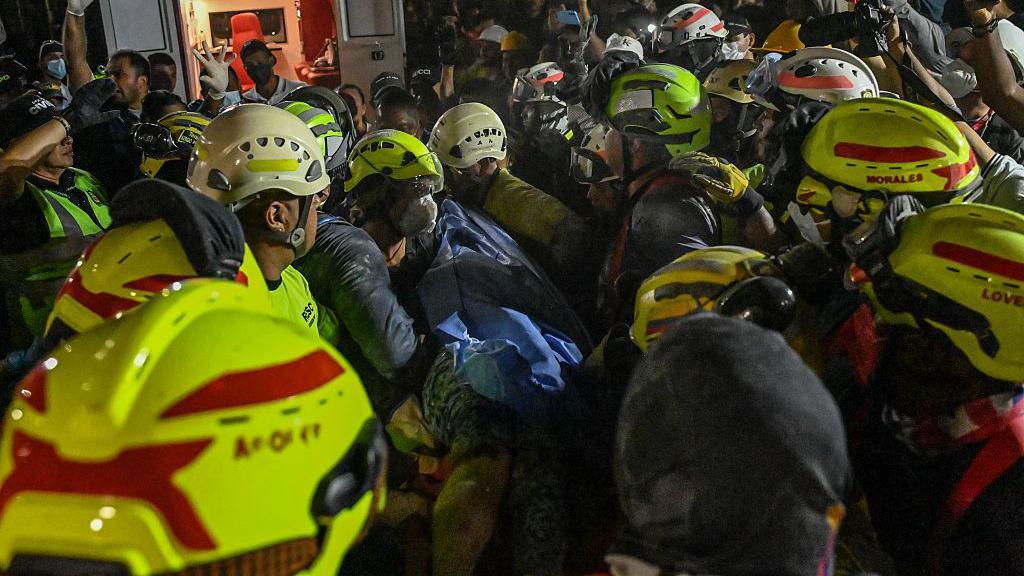
Rescue teams converged on the site after a local resident heard a faint cry for help rising from the debris. Firefighters, assisted by colleagues from Bogotá and the national police, carved two tunnels—one from the top and one from below—to reach Largo. The top tunnel provided fresh oxygen, while the lower tunnel allowed rescuers to lift her out and land her on a stretcher wrapped in a blue sheet.
The Human Toll
Official figures recorded 188 deaths, with 79 of those fatalities concentrated in Pereira and 95 in the larger city of Cali. In Pereira alone, 92 buildings collapsed, 15 people are still trapped, and 37 remain missing. The disaster strained emergency services and highlighted the fragility of infrastructure in seismic hotspots.
Government Response and the Ripple of Hope
President Abelardo de la Espriella highlighted the rescue on social media, calling it "news which fills us with hope." Locally, the mayor in Cali declared a night‑time curfew, pledging safety patrols for the worst‑hit neighborhoods and stressing that every effort would be made to recover those still trapped.
Linking Disaster to Climate Resilience
Events like this underscore the importance of designing buildings that can withstand seismic forces, especially as climate change intensifies weather extremes. Strengthening building codes, employing advanced materials, and training rapid‑response teams can reduce loss of life and preserve infrastructure when nature turns hostile.
Moving Forward
As communities rebuild, there is an opportunity to embed climate resilience into every layer of construction— from foundations to disaster response plans. The rescue in Pereira serves not only as a testament to human perseverance but also as a stark reminder that our built environment must be ready for the seismic realities of a warming world.