Rebuilding Nepal: Billions Needed After Cataclysmic Floods
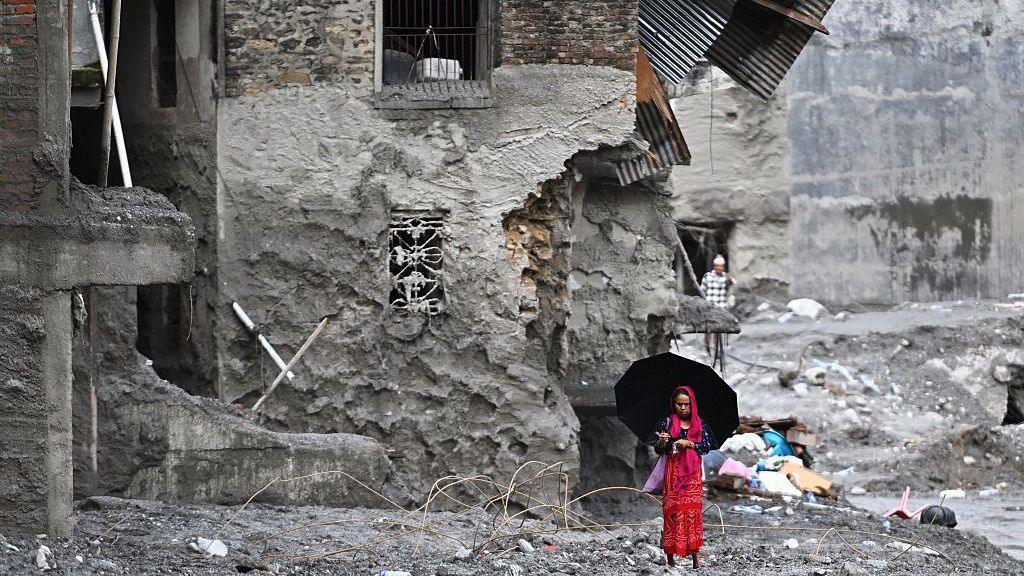
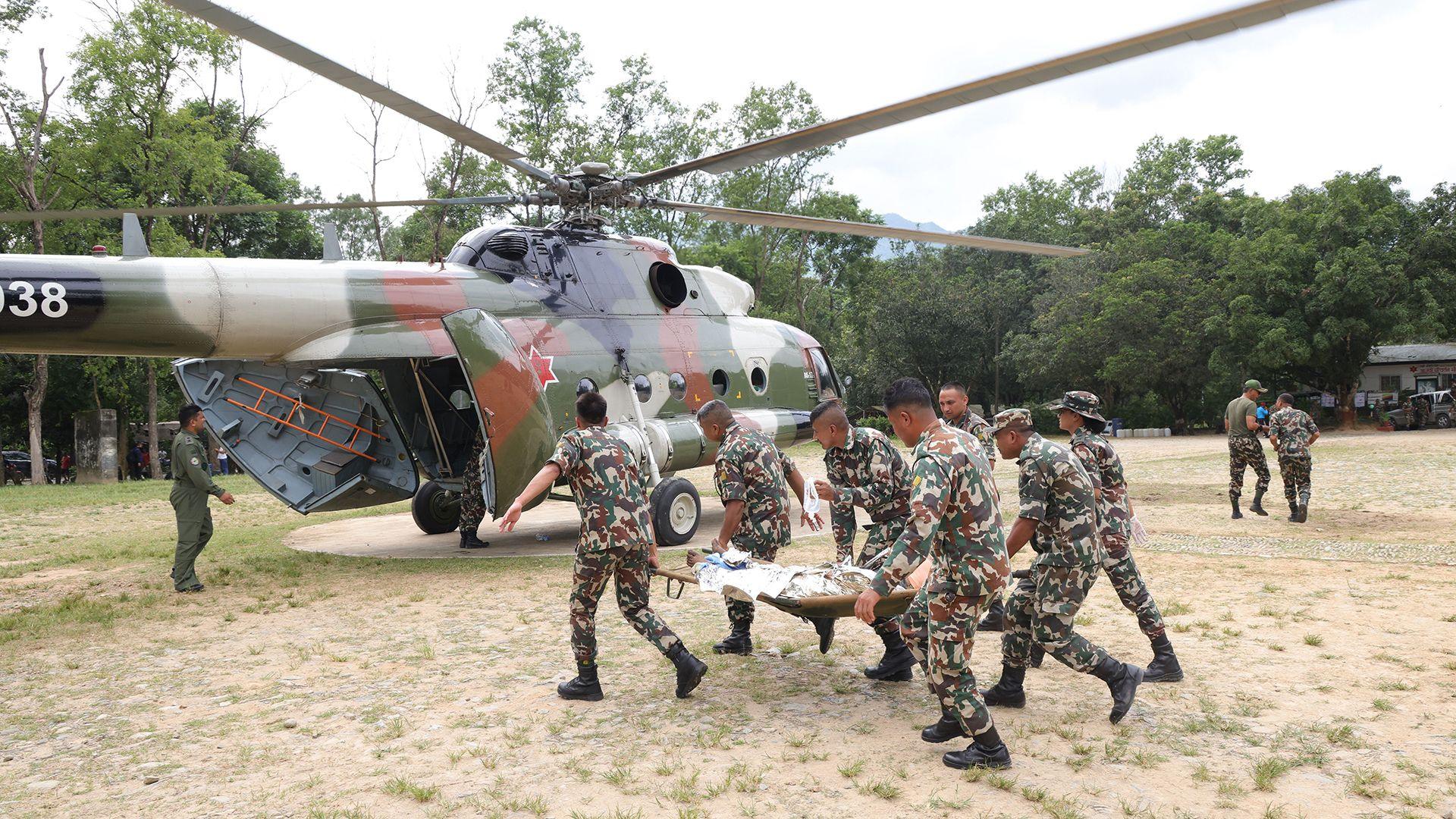
The Nepal‑Tibet border was struck last week by a massive flash flood that washed away entire villages, killed at least 1,200 people, and left thousands missing. The tragedy highlights the country’s vulnerability to rising temperatures and glacier melt, despite its relatively low global greenhouse‑gas footprint.
In the wake of the disaster, Nepal’s government is calling for billions of dollars in funding to rebuild damaged infrastructure—roads, bridges, and housing—while embedding climate resilience at every stage.
Scientists are still investigating the precise cause of the flooding, but early reports point to a combination of intense rainfall and rapid glacier melt—a pattern expected to grow more frequent as the region warms.
Reconstruction plans include modular, prefabricated bridges that can be rapidly deployed, reinforced retaining walls built from locally sourced stone, and upgraded drainage networks designed to capture runoff and mitigate future flash floods.
Experts warn that without a climate‑smart approach, newly built roads may fail the next time a high‑volume surge hits the mountains. Accordingly, the reconstruction strategy will involve participatory planning with local communities, ensuring that design solutions reflect on‑ground realities and traditional knowledge.
International partners such as the World Bank, United Nations, and regional donors are invited to contribute both financing and technical expertise. Strong coordination among Nepalese ministries, local authorities, and aid agencies will be essential to secure the necessary capital and deliver a resilient, cost‑effective infrastructure upgrade.
Offering not just immediate relief but long‑term resilience, the repurposed funding could also extend to climate‑adaptation projects—such as early warning systems, community education programs for flood preparedness, and restoration of natural flood buffers.
This moment presents a pivotal opportunity: to rebuild a more resilient Nepal that can withstand climate hazards while fostering sustainable development, social cohesion, and economic growth for displaced communities.