The Trump administration has authorized disaster declarations for seven states—Alaska, Idaho, Montana, Oregon, South Carolina, South Dakota, and Washington—allowing affected communities to access crucial federal support in response to various extreme weather events. As of this week, approximately 15 other requests from states and tribes are still pending, reflecting a broader landscape of increasing need for disaster assistance across the nation.
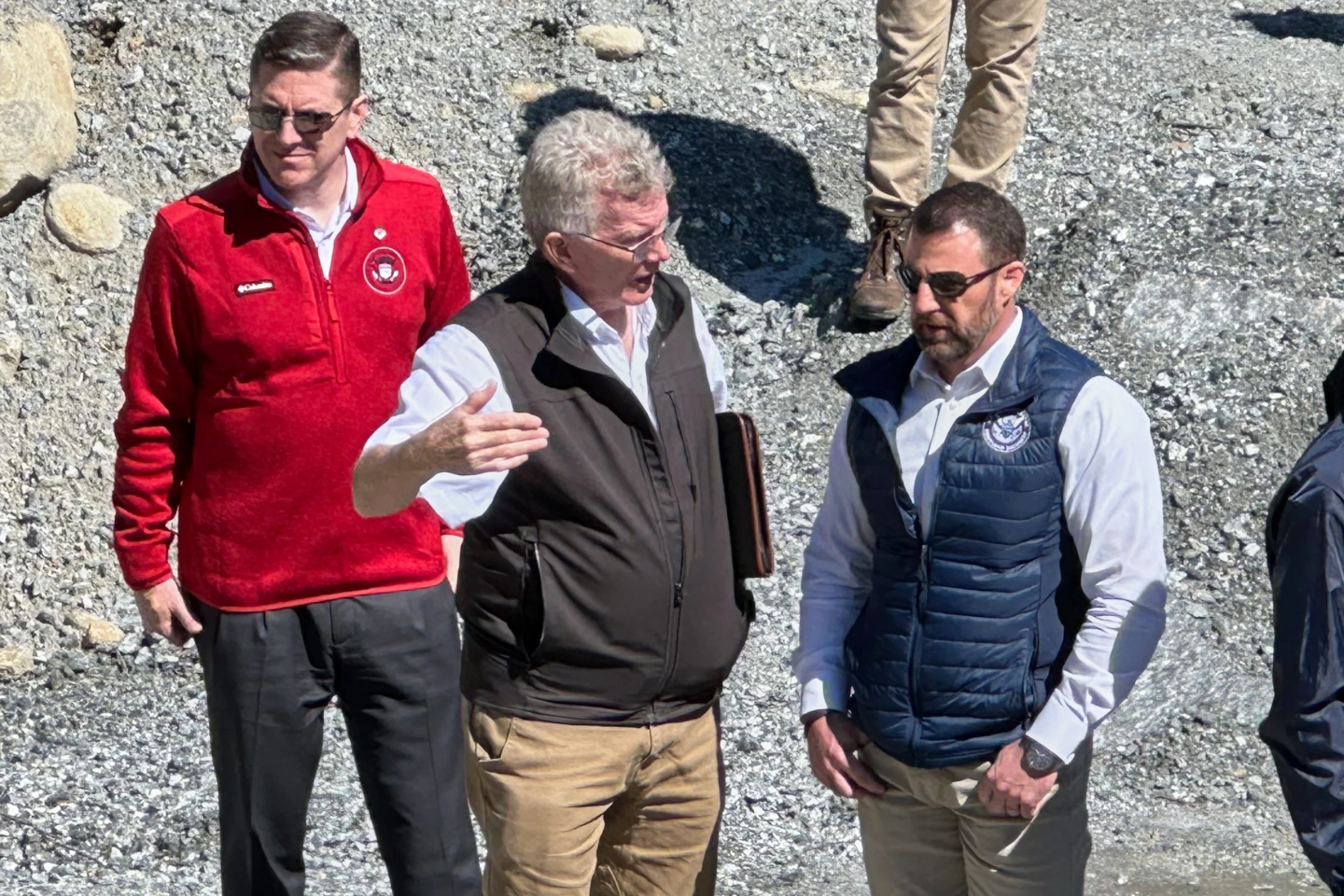
The announcement was made through a FEMA daily briefing as Secretary of Homeland Security Markwayne Mullin steers the agency during a pivotal time—just ahead of the Atlantic Hurricane Season starting June 1. He emphasized the urgency of addressing outstanding disaster requests and accelerating recovery efforts.
Nevertheless, the ongoing eight-week-long shutdown of the Department of Homeland Security (DHS) raises concerns, as federal funding from FEMA’s Disaster Relief Fund is dwindling. This critical fund typically aids in covering immediate disaster response needs, but its replenishment hinges on the approval of a DHS appropriations bill that proposes over $26 billion in funding.
Mullin stated during recent engagements that he intends to brief Trump on these pending requests and adapt strategies for expediting support ahead of the hurricane season. “We’re trying to push this stuff forward as fast as possible,” he noted, recognizing the ever-present reality of constant disasters.
In a commitment to responsible governance, a White House spokesperson articulated that responses to disaster declarations would be handled with meticulous consideration to ensure efficient use of taxpayer money. The spokesperson also highlighted a proactive approach aimed at bolstering state and local investment in resilience initiatives to lessen recovery burdens in the aftermath of disasters.
Amid these developments, critics have raised alarms about the uncertainty surrounding the future of FEMA. Recent changes in leadership and an increased push from Trump to shift disaster recovery responsibilities toward states could significantly alter the federal government's role in disaster response. The FEMA Review Council has been tasked with evaluating this shift but has yet to release relevant recommendations.
In parallel, frustrations mount as delays for disaster requests continue to be reported. A study revealed lingering waits for approvals, contrasting sharply with quicker past administrations. For instance, Arizona is still awaiting a response after a denied request for aid for severe storms last year.
Challenges are amplified as recent funding approvals neglect to include support for hazard mitigation initiatives, which help communities to rebuild with resilience. The Trump administration has noticeably not ratified any hazard mitigation requests for over a year, potentially leading to vulnerabilities in future disaster scenarios.