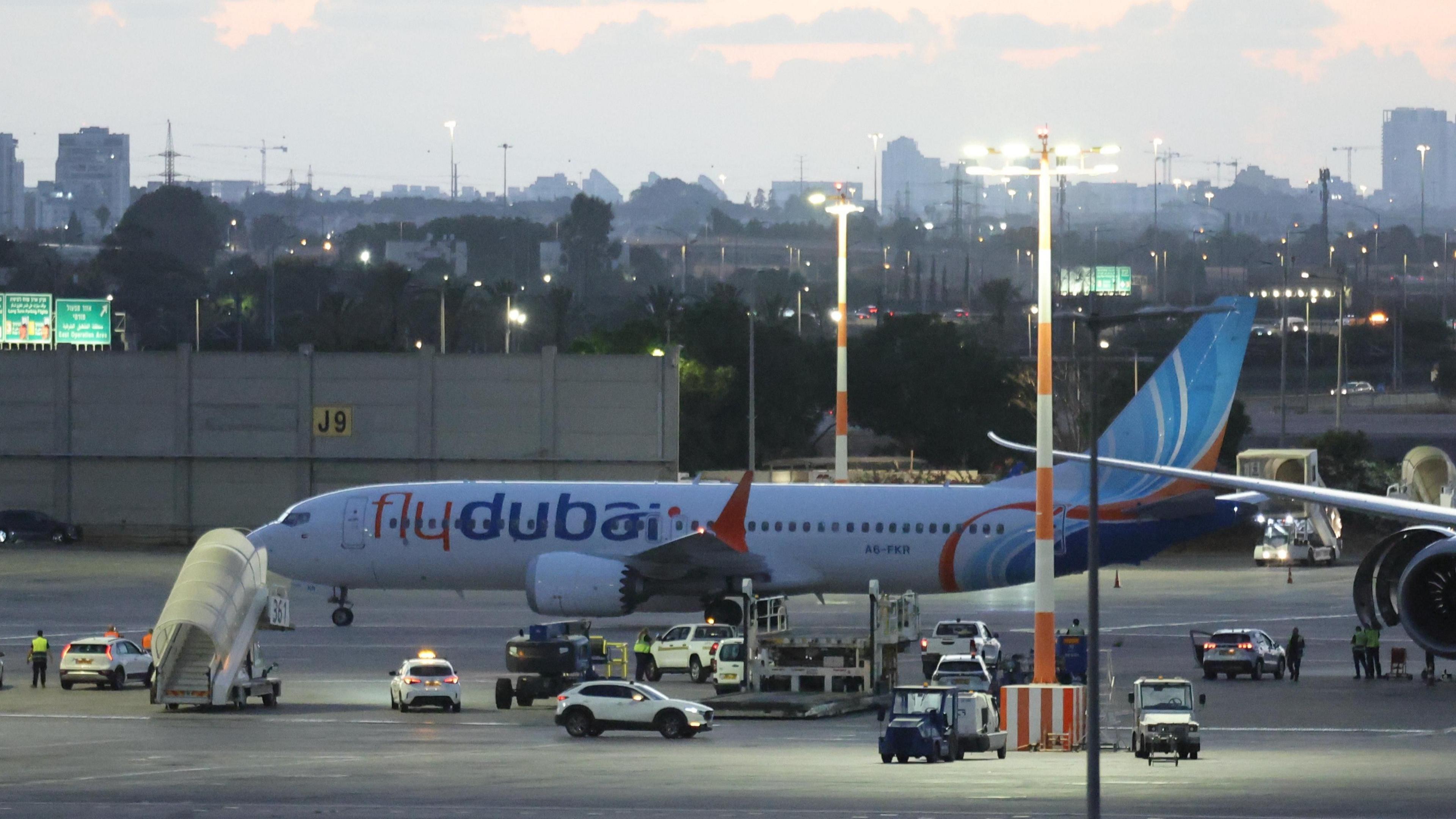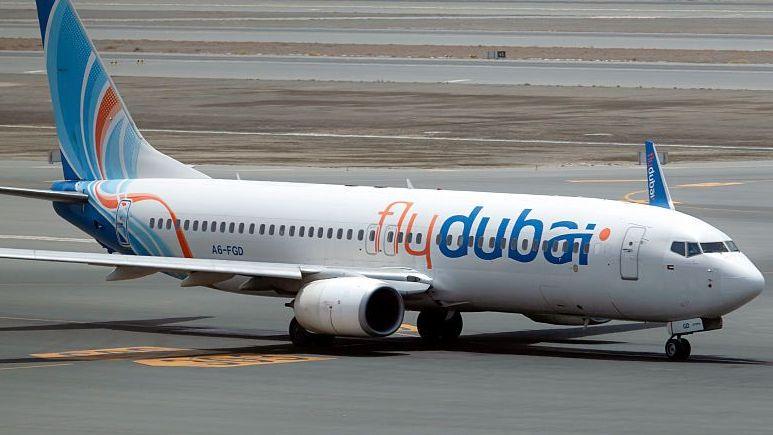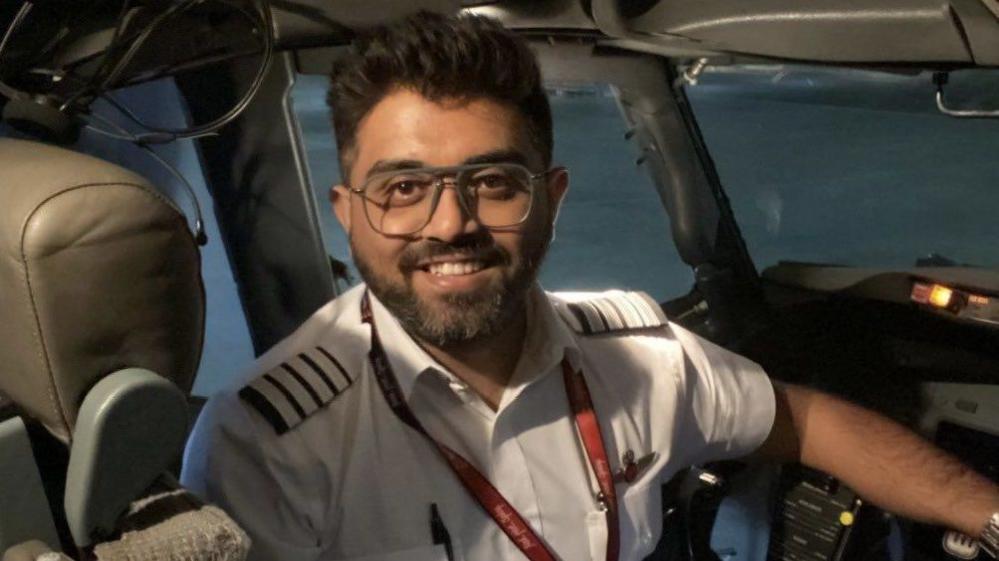

On 2 October 2026, Flydubai flight FZ1073, carrying more than 170 passengers, was suddenly brought into an emergency when the co‑pilot stabbed the captain and tried to seize control. The aircraft lost altitude, dipping over 17,000 ft (5,200 m) in just two and a half hours of flight.
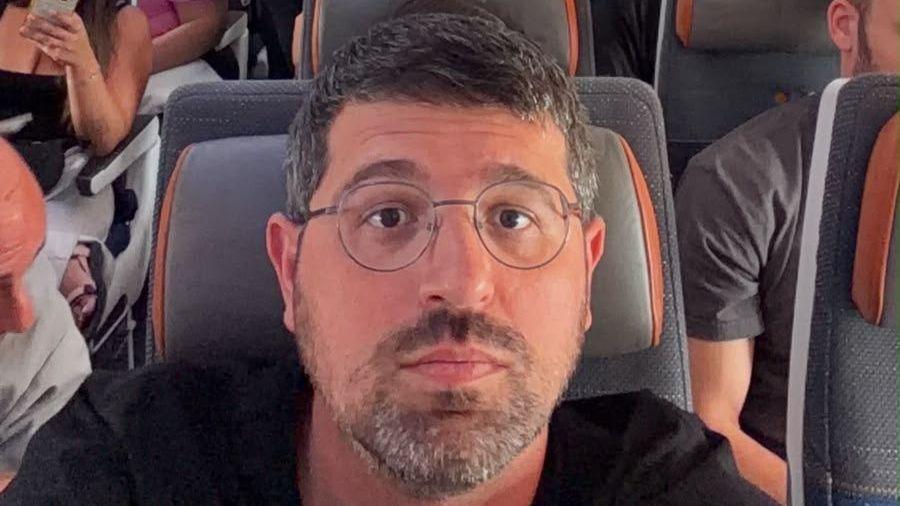
Captain Smit Machchhar, who was lying on the floor after being wounded, managed to roar out to the other crew and passengers. “I was lying on the floor injured but I told myself to go for one last push to open the door from inside,” he said during a video call with Prime Minister Narendra Modi.
When the cockpit door was opened, a wave of crew and some passengers rushed in and overpowered the attacker. Two reserve pilots on board quickly took control and diverted the aircraft to Tabuk Airport in north‑western Saudi Arabia, landing safely at 06:58 local time.
The incident was flagged as a potential terrorist act by the United Arab Emirates authorities, but no tolls were reported. In the aftermath, aviation experts stressed that incidents like these underscore the importance of rigorous pilot training, real‑time threat detection and secure cockpit environments—all vital to sustaining confidence in air travel.
From an environmental perspective, robust safety measures keep flights operating at their planned routes and fuel curves, preventing the unnecessary fuel consumption and emissions that double‑crash scenarios would trigger. Every seconds saved and every emergency avoided directly reduces carbon output, a critical piece of the broader strategy to decarbonise aviation.
Captain Machchhar is now recovering in Abu Dhabi after being air‑lifted from Tabuk. Meanwhile, Indian authorities and aviation bodies are reviewing cockpit security protocols, an effort that could lead to new standards ensuring pilots can control the skies safely without compromising the planet’s future.