Flydubai Co‑Pilot Attack Raises Questions About Aviation Safety

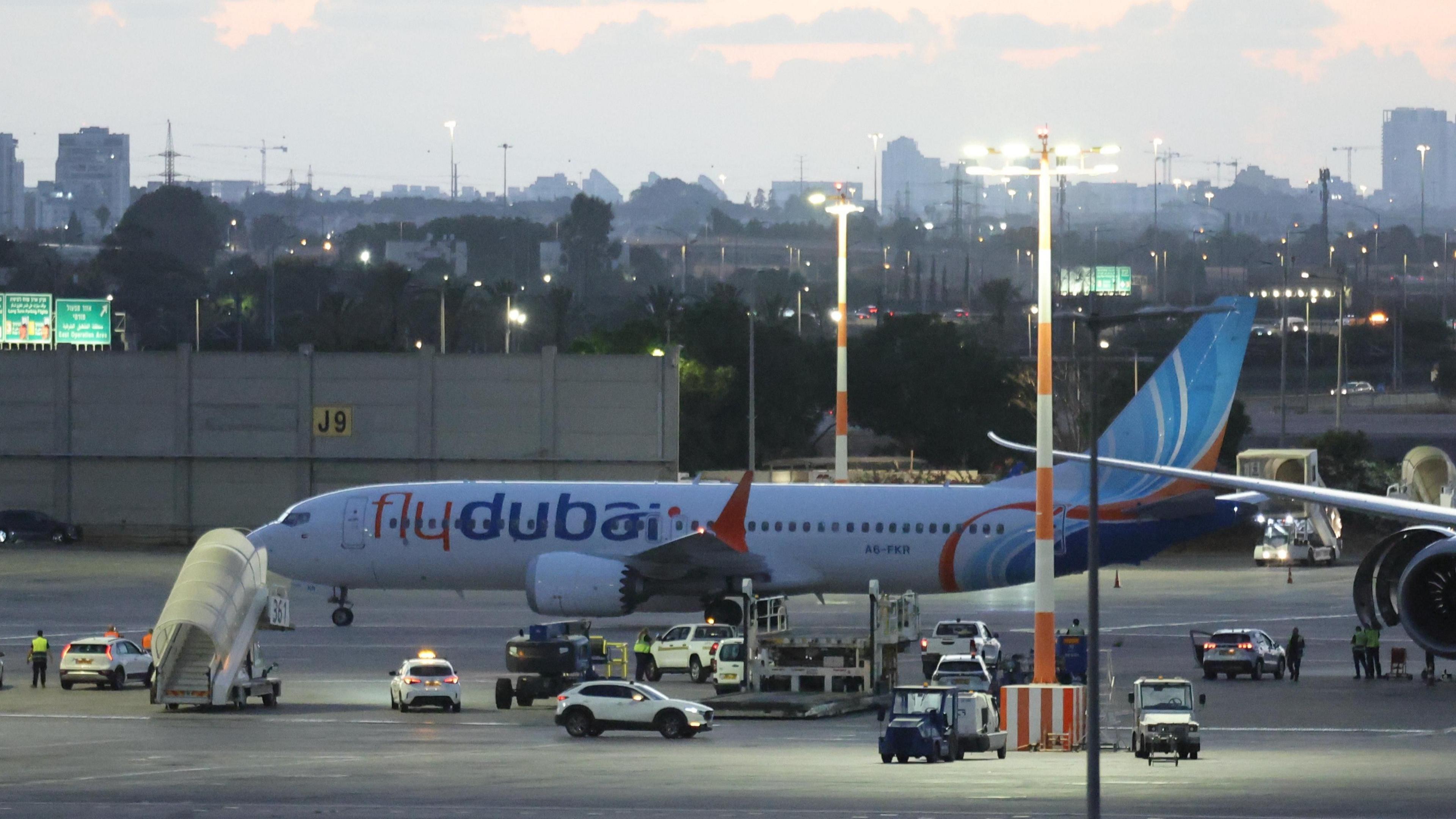
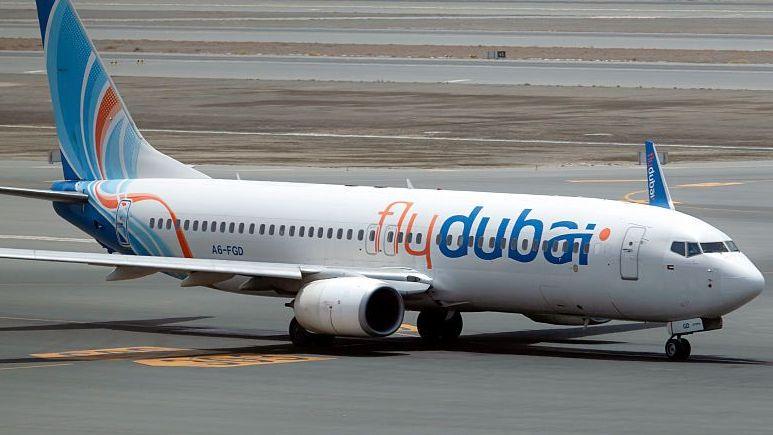
During a flight from Dubai to Tel Aviv on Thursday, an Omani co‑pilot tried to take control of a Flydubai aircraft by wielding a crash axe. The incident occurred more than 17,000 ft (5,200 m) into the journey, roughly two and a half hours after take‑off. Passengers and cabin crew overpowered the attacker, allowing the plane to land safely a short distance from the departure point.
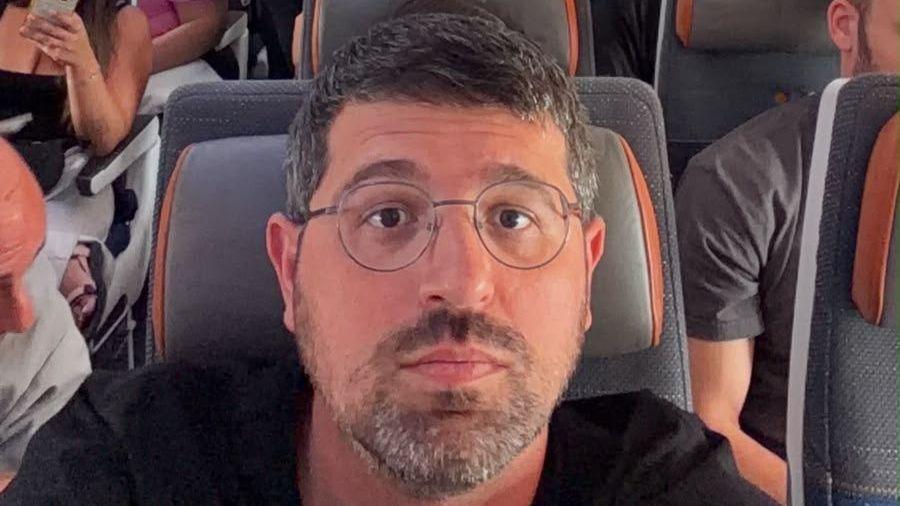
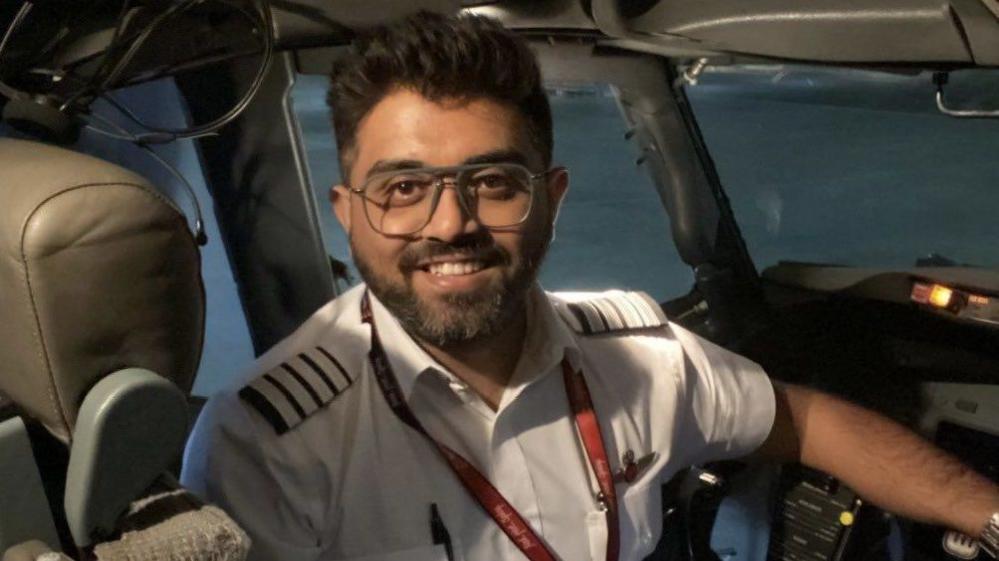
Captain Smit Machchhar, who was stabbed during the assault, received medical treatment at a nearby hospital and was later air‑lifted to Abu Dhabi. He has been reported as stable and is recovering well, according to the Indian embassy in the UAE.
The UAE prosecutor general announced investigations into the motive behind the attack and whether it was linked to terrorism. Israeli Prime Minister Benjamin Netanyahu noted that the assailant had called for his own death, suggesting a suicidal intent, and mentioned potential Islamist radical indoctrination.
Air travel remains a major contributor to global carbon emissions, and incidents of this nature highlight the importance of resilient and secure transportation networks that can adapt to both human threats and emerging climate-related challenges. This event serves as a reminder that safeguarding people on our skies is essential as the industry works towards sustainable and low‑emission futures.