In brief
A 16‑ to 18‑storey building in Nairobi’s Eastleigh district collapsed late Friday, trapping seven people in shops at its base. While 66 of the 67 workers inside escaped unharmed, rescue teams have halted digging equipment to avoid suffocation as they search for the missing. The incident exposes gaps in Kenya’s construction oversight, with officials revealing the project lacked proper occupation permits. Local and national leaders are urging stricter enforcement of building plans and faster penalties for negligent developers. The collapse also highlights the need for climate‑resilient construction practices that can withstand Nairobi’s heavy rains and future urban stresses.
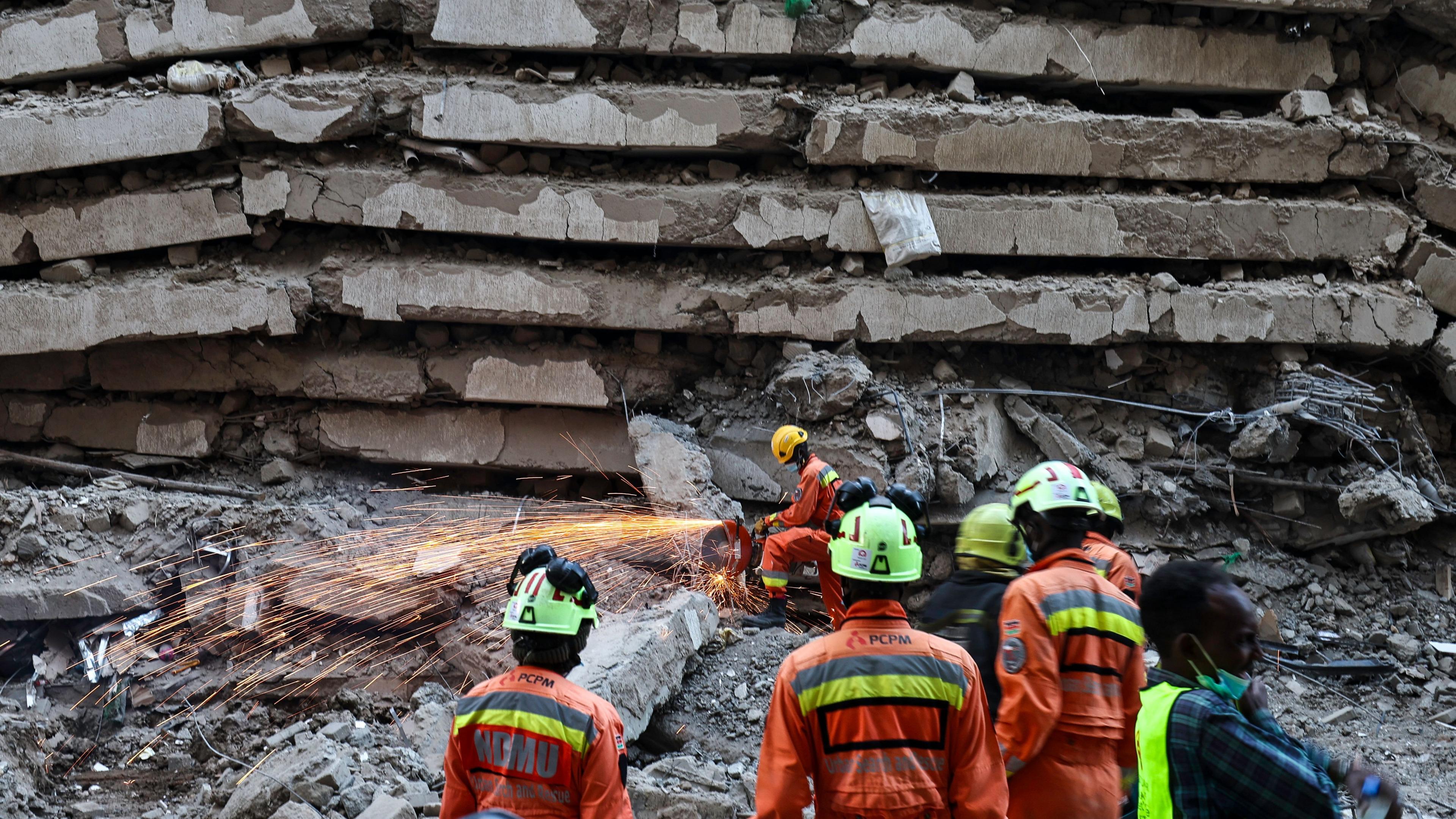
A 16‑to‑18‑storey tower in Nairobi’s Eastleigh area collapsed late Friday, sending a plume of dust across surrounding streets. The sudden failure of the building’s base was captured on video, showing the lower floor give way before the rest of the structure crumbled.
Rescue crews are now combing the rubble for seven people thought to be trapped in shops that had opened on the ground floor. Though the majority of the 67 workers inside escaped without major injuries, one performer was found with non‑life‑threatening wounds.
Kenya’s National Construction Authority has named the developer, architect, and structural engineer involved, yet it remains unclear whether an inspection occurred before the collapse. Governor Sakaja Johnson has criticised the owners for operating without required occupancy permits and called for expanded sanction powers against developers who flout approved plans.
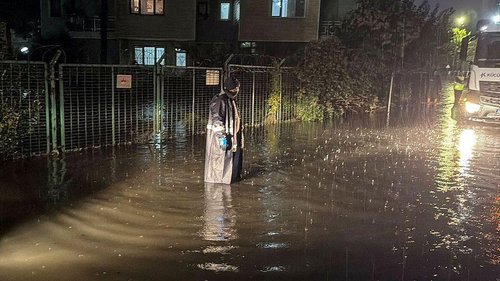
The incident draws attention to a broader pattern of unregulated construction in Nairobi, where poor material quality and inadequate planning often lead to structural failures. Building stability is now at the forefront of public concern, especially as the city faces increased monsoon rainfall and urban expansion.
Sustainable responses call for stricter enforcement of safety codes, widespread adoption of modular construction that reduces on‑site waste, and the incorporation of local, low‑carbon materials. Environmental strategies such as green roofs and permeable pavements can also bolster resilience against extreme weather events, helping protect future occupants and the wider community.
As rescue teams continue their search, the Nairobi authorities are urged to accelerate safety inspections and streamline permitting processes to prevent similar tragedies and foster a climate‑resilient urban environment.