In brief
A BBC probe has documented at least 43 attacks on medical facilities in el‑Fasher between May 2024 and Oct 2025, a pattern denied by the Rapid Support Forces (RSF) and their allies. The assaults cost 55 health‑workers dead, 120 injured and 10 abducted, and destroyed vital infrastructure, leaving only a single makeshift hospital operational after the RSF seized the city. United Nations and World Health Organization officials condemned the attacks, calling for investigations into potential war crimes. The tragedy highlights how armed conflict erodes health systems, jeopardising both immediate care and long‑term recovery.
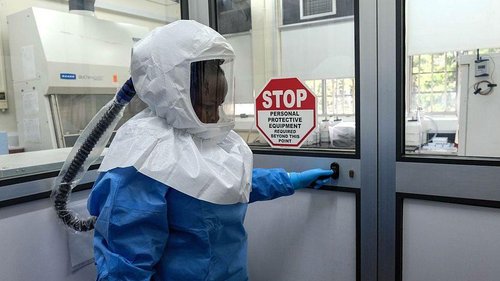
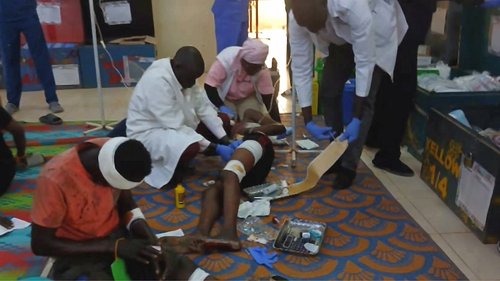
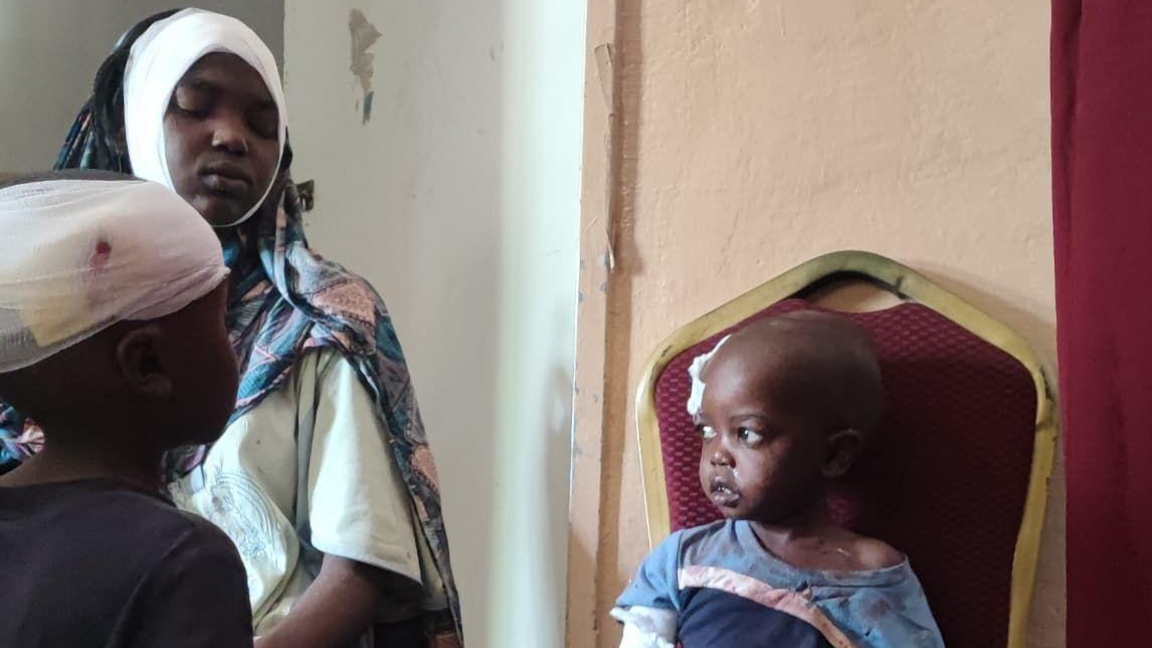
A BBC investigation has uncovered systematic destruction of hospitals and health facilities in el‑Fasher, a city in Sudan’s western Darfur region, during the RSF’s 2024‑25 siege. The report documents a minimum of 43 separate attacks on medical sites, including the main driving hub for life‑saving care, between May 2024 and Oct 2025. 55 doctors and nurses were killed, 120 injured and 10 disappeared.
The RSF rejected the BBC’s findings and the civilian‑affiliated government dismissed the evidence as propaganda. In contrast, UN human rights chief Volker Türk called the results "deeply disturbing" and urged an investigation into possible war crimes. The World Health Organization has also condemned the bombing of hospitals, noting that such attacks violate international humanitarian law.
The assault was not random. The RSF intentionally targeted active hospitals to cripple the city’s only lifeline. In June 2025 a raid on the South Hospital left staff injured and the building heavily damaged, while the Saudi Hospital—used at that point for makeshift surgery—was repeatedly shelled and hit by precision drones. Doctors recall patients being chased by hunting drones while being transferred to temporary wards, with casualties already rising.
After the RSF seized el‑Fasher in Oct 2025, only one hand‑carved bunker‑style ward remained, while the rest of the health system collapsed. RSF‑backed officials posted videos claiming the hospitals were now running, but no independent verification exists. Meanwhile, hospitals that did operate continued to face gunfire, shelling and rocket attacks, forcing staff to bury patients and cut supplies under constant threat.
The destruction of el‑Fasher’s healthcare corridor has far‑reaching implications. It disrupts disease control programs, hampers conflict‑related injury care, and erodes trust in medical services—an outcome that undermines any post‑conflict recovery effort and stalls community resilience to future shocks.