In brief
In recent weeks Satish Acharya, a veteran Indian political cartoonist, had his Instagram account blocked twice under a vague legal claim, echoing a broader crackdown on satirists. The Information Technology Rules empower authorities to order platforms to remove or limit content deemed unlawful, yet companies often offer minimal explanation for such actions. Data from the Sahyog portal shows almost 195,000 restriction orders were delivered to major social media sites between March and July, raising concerns over a growing climate of self‑censorship. While Meta claims compliance, critics argue the trend threatens the democratic spirit of satire that has historically pulsed through India’s media and online culture.
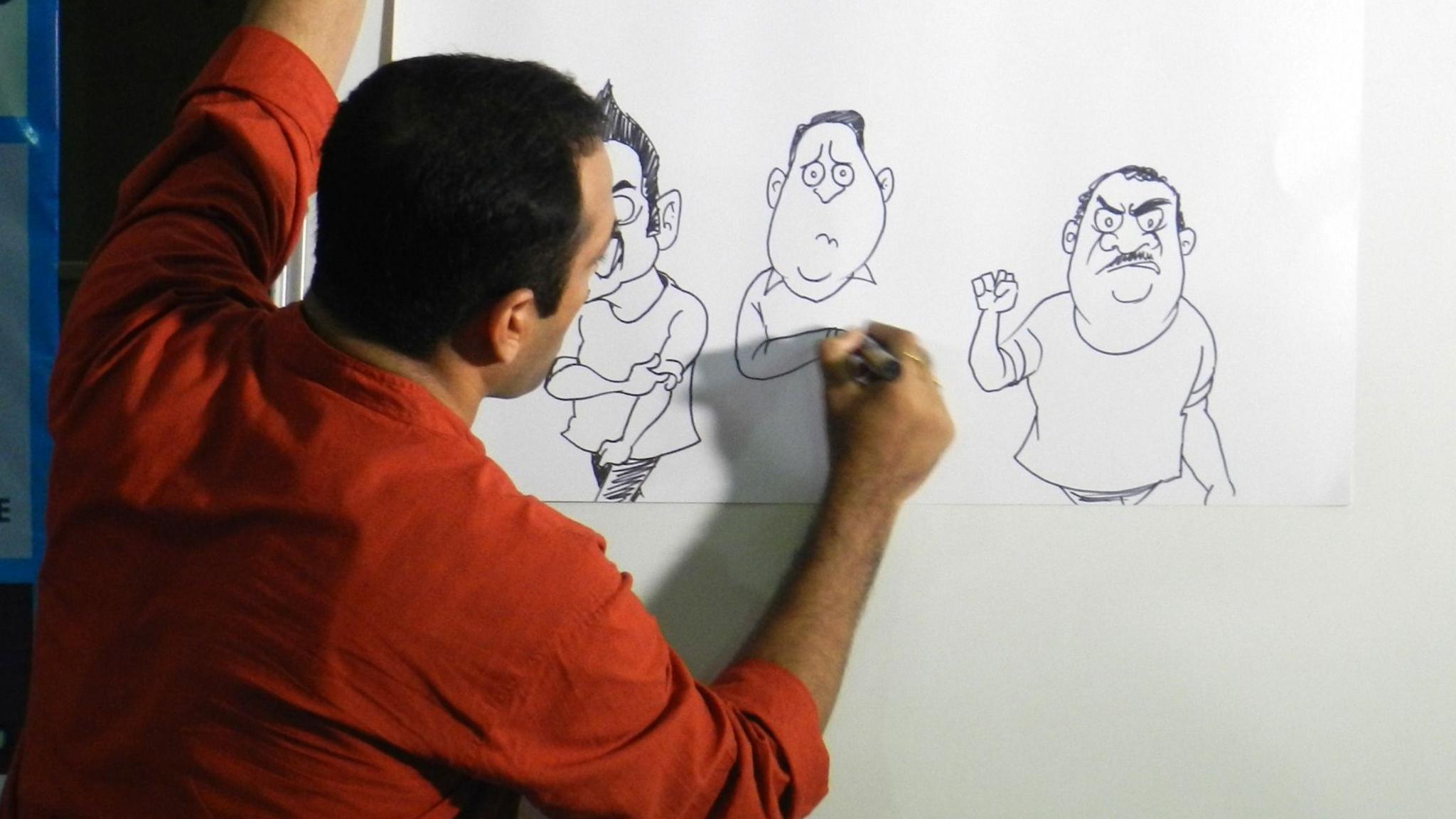
In the last month, Satish Acharya, a 55‑year‑old Indian cartoonist, found his Instagram account blocked in India twice while a post by his peer Manjul was also restricted—both moves tied to the country’s Information Technology Rules.
The IT Rules allow courts and authorities to order platforms to disable or remove content that may be deemed unlawful. The Meta response? A generic statement that temporary restrictions were made to comply with legal requirements, with no further explanation.
Political satire has long been a cornerstone of Indian journalism, but government‑led refusal orders are now adding a digital dimension to the age‑old battle between artists and authority; recent data from the Sahyog portal shows close to 195,000 blocking and restriction orders were issued to platforms between March and July.
While Meta appears willing to comply, critics argue the moves represent a growing trend toward the dilution of dissent, especially as younger audiences increasingly turn to memes and satire for political commentary.
For the cartoonists, the threat is not merely about visibility but also about self‑censorship. “If it feels safer to soften my criticism, the tradition of truth‑telling erodes,” says fellow artist Sandeep Adhwaryu, highlighting worries that the vibrant democratic debate could shrink in the digital age.