In brief
Pope Leo XIV underwent surgery at Rome’s Gemelli Hospital to remove a lung nodule found during routine checks. The 71‑year‑old pontiff’s operation was carried out by thoracic specialists, with an update promised later that day. While the lump was deemed contained and likely non‑cancerous, officials stressed that such nodules are common when air quality is poor. The event draws attention to the broader public health challenge of protecting lungs from pollutants and the role of climate‑related air pollution in respiratory disease.
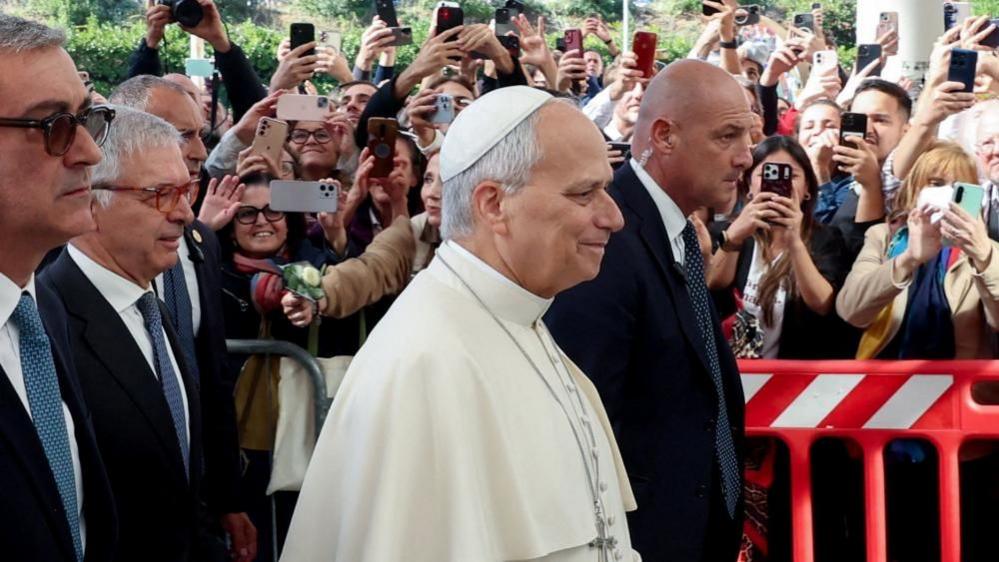
On Tuesday, Pope Leo XIV was admitted to Rome’s Gemelli Hospital for thoracic surgery. A lump on his lung, discovered during routine checks, was removed in a procedure the Vatican described as “routine” and at an early stage.
The operation, carried out by expert surgeons, was followed by an update from the Vatican, confirming that the nodule was contained and that the pastor’s health would allow him to resume duties afterward.
Nodules such as that found in the Pope are common when air quality deteriorates. Although many are benign, they serve as a reminder of the respiratory risks posed by air pollution, a key component of climate science and public health.
Politicians, scientists and religious leaders worldwide have called for stronger air‑quality standards, noting that cleaner air protects lungs from infection, chronic disease and the long‑term health impacts of climate change.
The Pope’s case, while personal, echoes a global problem: as the planet warms, higher temperatures can increase the formation of ground‑level ozone and particulate matter, making every respiratory system vulnerable.
Public health officials are urging governments to act decisively—setting stricter emissions limits, promoting clean energy, and expanding public transport—to safeguard lung health for all citizens, including the world’s spiritual leaders.