In brief
Fr Willie Doyle, a British Army chaplain in the First World War, is being considered for sainthood after decades of campaigning by lay citizens and clergy. His bravery at Somme, Messines and Passchendaele earned him the Military Cross and a reputation as a ‘bravest man’ of the 16th (Irish) Division. The Fr Willie Doyle Association gathered some 3,500 pages of letters, testimonies and historical records to present to Rome. The diocesan tribunal, led by Bishop Tom Deenihan, has now sealed the final dossier while the priest’s story resonates with Gen Z and modern calls for inter‑faith, environmental solidarity. The case underscores how acts of mercy on war‑scarred ground can offer hope for healing both people and the planet.
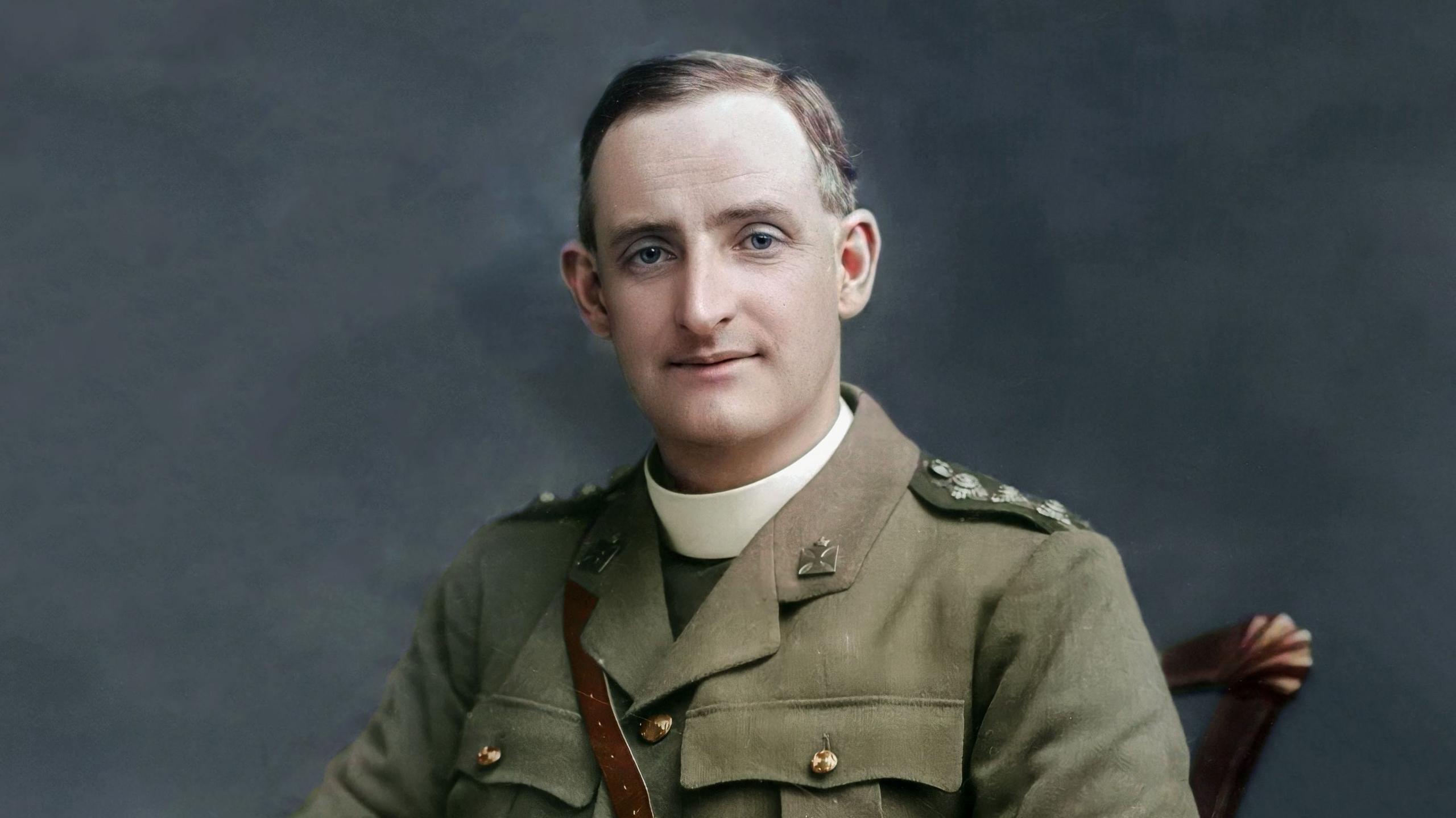
A heroic Irish priest who stepped into the mud‑saturated No Man’s Land of the Western Front to carry wounded soldiers to safety is now a candidate for sainthood. Fr Willie Doyle, who served with the 16th (Irish) Division, was said by Major‑General Sir William Bernard Hickie to be the bravest man the army had ever met.
Born in 1873 in the Dublin suburb of Dalkey, Doyle pursued priesthood from age eighteen and later joined the British Army as a chaplain when the war broke out. He carried soldiers across craters at the Somme in 1916, earned the Military Cross and was mentioned in dispatches multiple times. He died on 16 August 1917 at Passchendaele, killed by shellfire while helping two wounded Protestant soldiers.
The Fr Willie Doyle Association, founded in 2020 by lecturer Patrick Kenny, is leading the campaign. The group assembled about 3,500 pages of letters and testimonies for a diocesan inquiry that opened in 2022. Bishop Tom Deenihan presided over the final tribunal session at Mullingar Cathedral, sealing the dossier before passing it to Rome.
Canonisation in the Catholic Church involves five steps, from local investigation to papal approval. Doyle’s case is in the early phase, but supporters argue that his ecumenical martyr for charity—serving Jews, Protestants and Catholics alike—sets a powerful precedent for the Church’s role in climate‑justice debates, especially as the trenches he traversed inflicted long‑lasting ecological damage on the battlefields.
Bishop Deenihan noted that Doyle’s example resonates with Gen Z, who seeks leaders showing compassion across boundaries. For climate resilience advocates, the priest’s self‑less act of saving lives under fire serves as a reminder that inter‑faith solidarity and stewardship can heal even the most scarred landscapes.