WASHINGTON — The ongoing government shutdown is taking a toll on food security and economic stability across states. Citizens are increasingly feeling the impacts as crucial federal services halt, leaving many without access to essential resources.
As food aid programs dwindle, those relying on SNAP (Supplemental Nutrition Assistance Program) brace for dire consequences. One in eight Americans whose families depend on these programs are facing ravenous uncertainty, with supplies already proving scarce in regions like Alaska, where residents stockpile moose, caribou, and fish for the winter.
“People are stressing,” commented Sen. Lisa Murkowski of Alaska, highlighting the anxiety around dwindling food supplies. Many across the U.S. echo this sentiment as uncertainties loom over food security and escalating health care costs, which are central to the stalemate in Congress.
Despite quiet negotiations among some bipartisan senators, no resolution is expected before Saturday’s looming deadlines, exacerbating the situation as many Americans face hunger and rising costs simultaneously. Calls for immediate action intensify as lawmakers debate priorities, with military funding secured while food aid remains at risk.
Shutdown's Broader Implications
The White House has shifted funds to prioritize military salaries but has refrained from allocating resources for food aid. This has drawn criticism from various sectors, claiming that the government is withholding necessary support for vulnerable populations. Rev. Ryan Stoess expressed concern, stating that “holding food over the heads of poor people” reflects a concerning moral perspective.
As the government shutdown enters its 30th day, experts warn it could become the longest in American history, surpassing the record 35 days set in 2019. With elections approaching in various states, many hope that fresh political assessments could expedite negotiations that ultimately reopen the government.
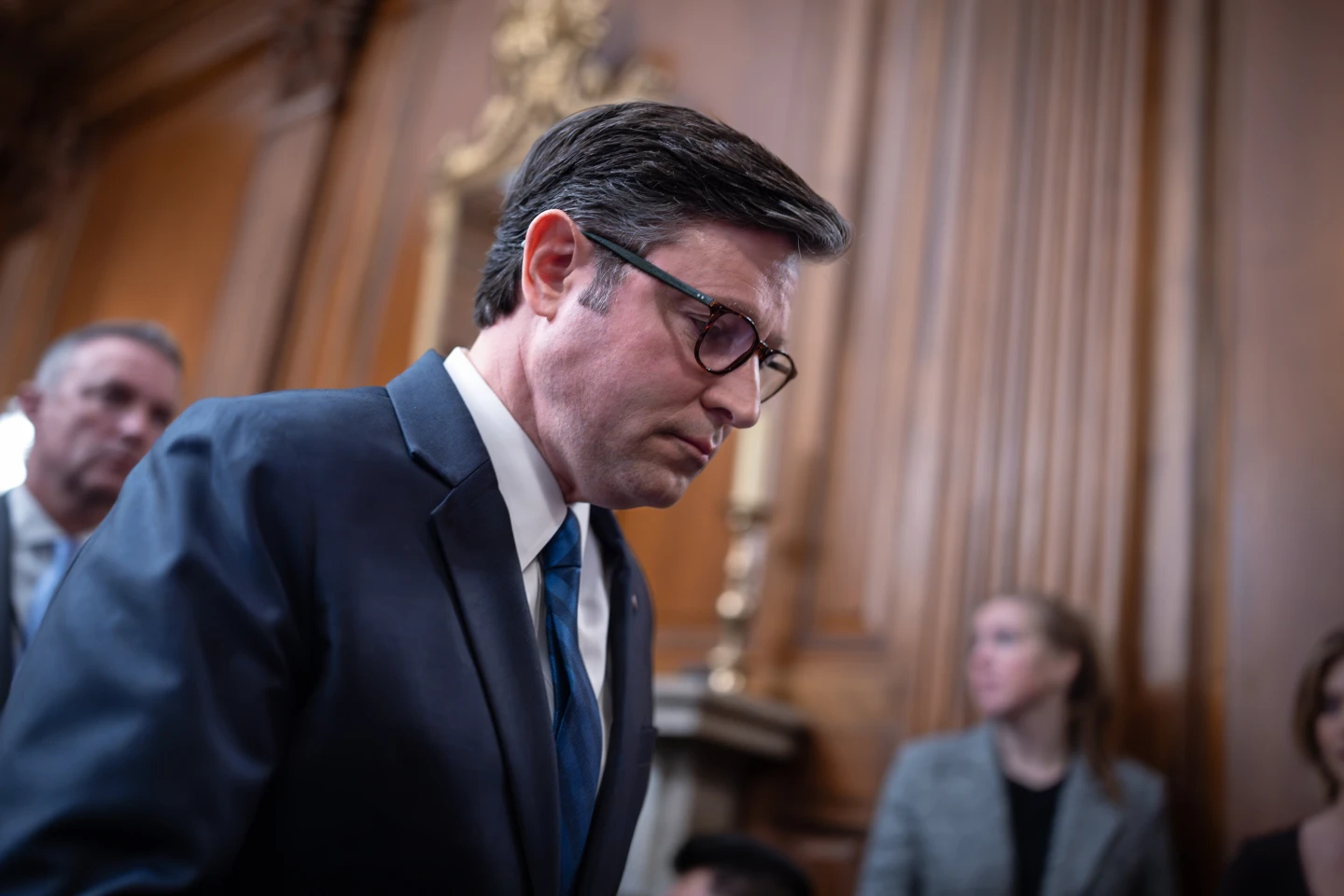
Meanwhile, House Speaker Mike Johnson and Republican lawmakers navigate the complex political landscape as they balance cuts to federal programs while defending furloughed workers. Democrats assert that proposed cuts to nutritional assistance will worsen the crisis, calling for urgent action to lift up the quality of life for the American populace.
With December on the horizon, fears grow as subsidies for health care are set to expire amidst rising premium prices, putting healthcare out of reach for many. As negotiations stall, the fate of regular Americans hangs in a precarious balance, awaiting resolution from those in power.