In brief
Former President Donald Trump has made headlines for his remarks suggesting individuals with learning disabilities should not be president, specifically mocking California Governor Gavin Newsom for his dyslexia. Trump's comments have ignited criticism from various advocacy groups, including the National Center for Learning Disabilities, which defends the capabilities of individuals with dyslexia in leadership roles. Newsom responded to Trump's taunts with a sharp retort, bringing attention to the stigma faced by those with learning disabilities.
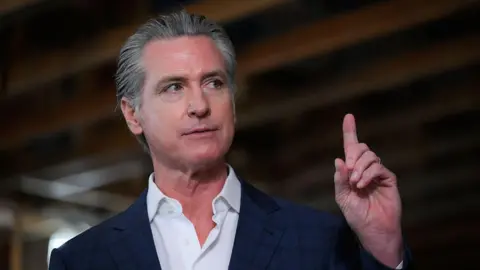
Donald Trump has stated his belief that individuals with learning disabilities should not hold the office of president, as he resumed his jibes at California Governor Gavin Newsom over the latter's dyslexia.
In a recent press conference, Trump referred to Newsom, a potential Democratic presidential candidate, as dumb and ridiculed his reading difficulties, leading Newsom to label Trump a brain-dead moron in return.
The National Center for Learning Disabilities expressed its strong disapproval of Trump's comments, viewing them as harmful and discriminatory.
Dyslexia, a condition affecting the brain's processing of written language, impacts approximately one in five Americans, highlighting the prevalence and significance of this challenge.
Trump remarked, With a low IQ person, you know, because Gavin Newscum has admitted that he has learning disabilities. Stressing that he supports individuals with learning disabilities, he underscored that he believes the presidency should be free from such conditions, stating, I don't want, I think a president should not have learning disabilities, OK?
Newsom quickly countered on social media, reacting to what he perceived as a major slip-up when Trump mistakenly referred to him as president. He stated, NO THANK YOU, WE BELIEVE IN FREE ELECTIONS!
In a prior discussion, Newsom shared his experiences living with dyslexia, recounting his struggles with reading and speech delivery. He addressed a predominantly black audience, which drew critiques from some conservative figures who accused him of condescension.
Trump further escalated the situation by alleging that Newsom's dyslexia indicates a cognitive mess, while Newsom pushed back with his comments on Trump's actions, saying he couldn't comprehend the complexities surrounding dyslexia.
The National Center for Learning Disabilities' chief executive remarked that dyslexia does not dictate a person's intelligence or leadership potential, noting that many successful public figures, including past U.S. presidents, have had similar conditions.
Research suggests that dyslexia affects about 15% of the U.S. population, with estimates rising as high as 20%, making it crucial to address both the stigma and the supportive measures for those affected.