In brief
Ukraine’s Metinvest CEO Yuriy Ryzhenkov has urged the EU to lift steel tariffs that slash the country’s exports, arguing the policy unfairly bundles Ukraine with other exporters. The 18.3‑million‑tonne cap, set to cut imports by 47%, threatens a 50‑60% decline in Ukraine’s steel trade to the EU—a key market for the war‑torn nation’s industry. While the EU says it considered Ukraine’s war context, the company insists its survival hinges on access to European markets and protective measures for green steel innovation. The dispute underscores the tension between trade protection and sustainable industrial resilience amid conflict.
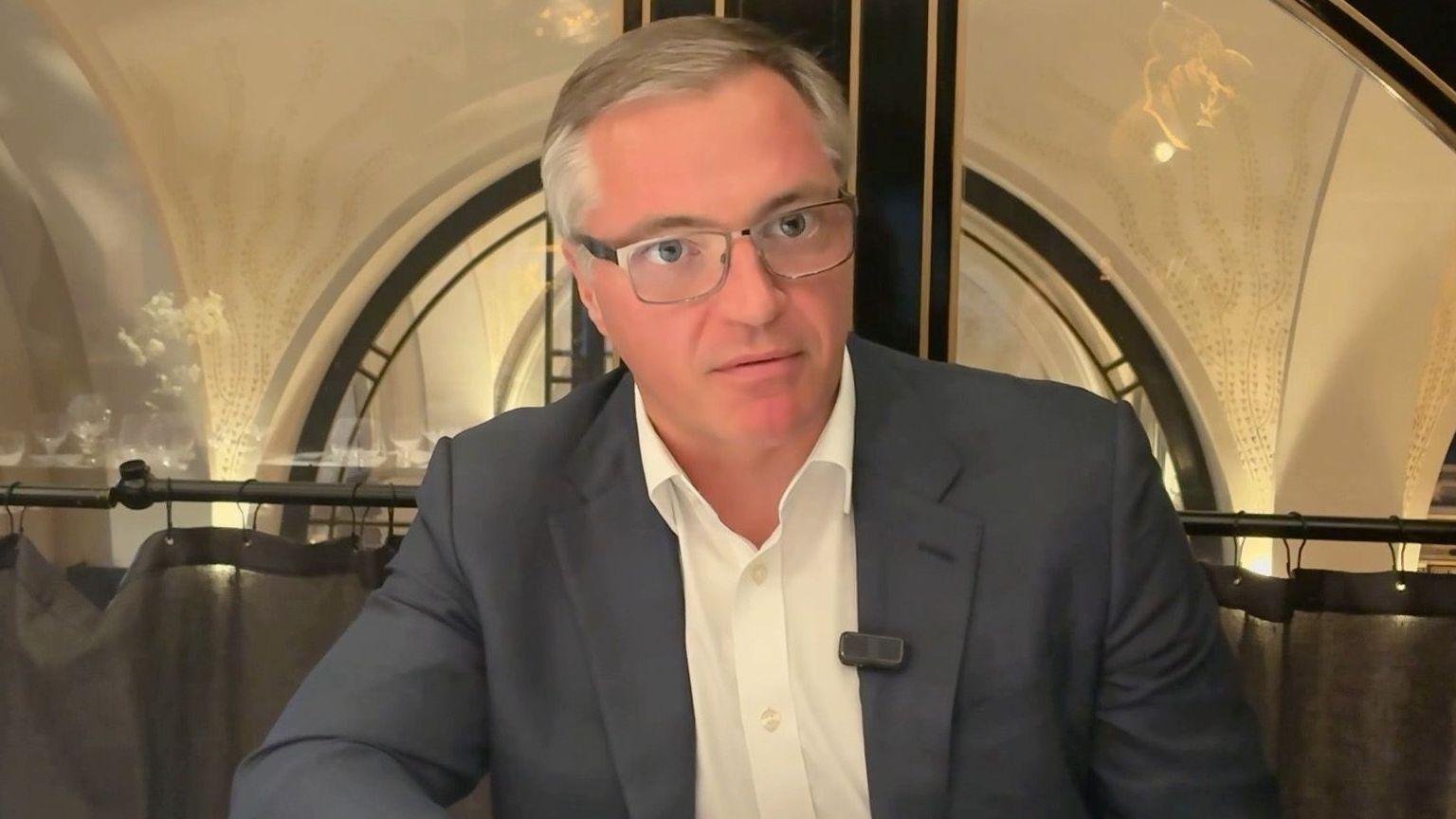
EU tariffs on steel are pushing Ukraine’s key industry toward collapse. Metinvest’s chief executive, Yuriy Ryzhenkov, has called on Brussels to remove the import limits that could cut Ukrainian exports to the EU by up to 60%.
The EU has capped tax‑free steel imports at 18.3 million tonnes per year – a 47% cut from 2024 levels. Although the policy contains country‑specific quotas, it treats all exporters alike, Ryzhenkov says, ignoring Ukraine’s war‑torn reality.
The European Commission insists it considered the difficult situation in Kyiv, arguing the quota “guarantees exports but at a lower level than in previous years.” But Metinvest warns that without a carve‑out the company’s survival is threatened.
Ukraine’s steel output has been a pillar of its economy, accounting for roughly 10% of national income and a third of exports before the 2022 invasion. The EU is the country’s top customer, yet Russian airstrikes have halted production repeatedly, with a period in September when no steel was produced for the first time in 150 years.
Bloodshed has been high – almost 800 Metinvest workers have been killed, and the company has expanded protective shelters to shield staff during air raids. Yet war can only harden the industry; “the coming winter will be one of the hardest in our history,” Ryzhenkov notes.
For a sector poised to tap into green‑steel technologies, market access is critical. Loss of EU sales would derail progress toward more sustainable production processes and undermine Ukraine’s industrial resilience.
The dispute highlights a broader challenge: how to balance trade protection with the rights of conflict‑affected producers to innovate for a sustainable future.